Park City Lands Snow League Halfpipe for 2026-27 Season
Park City secures a 22-foot halfpipe for the Snow League's 2026-27 season, a strategic move by Shaun White to revitalize American snowboarding and prepare for the 2034 Olympics.
Aspen —It’s not just snow. It’s a $14 million economic engine disguised as a pipe.
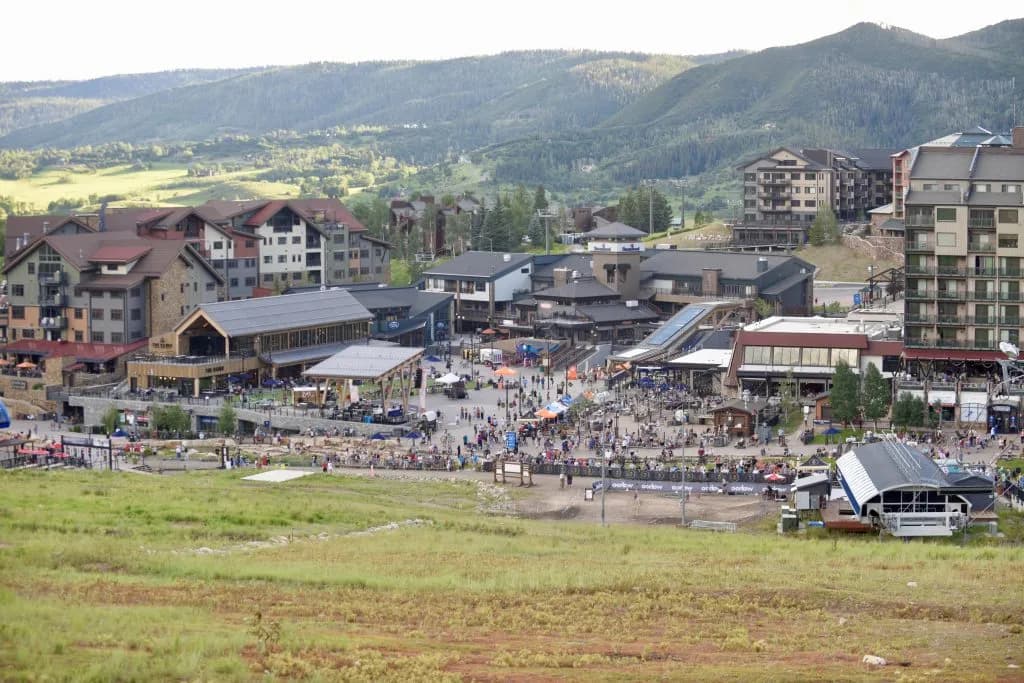
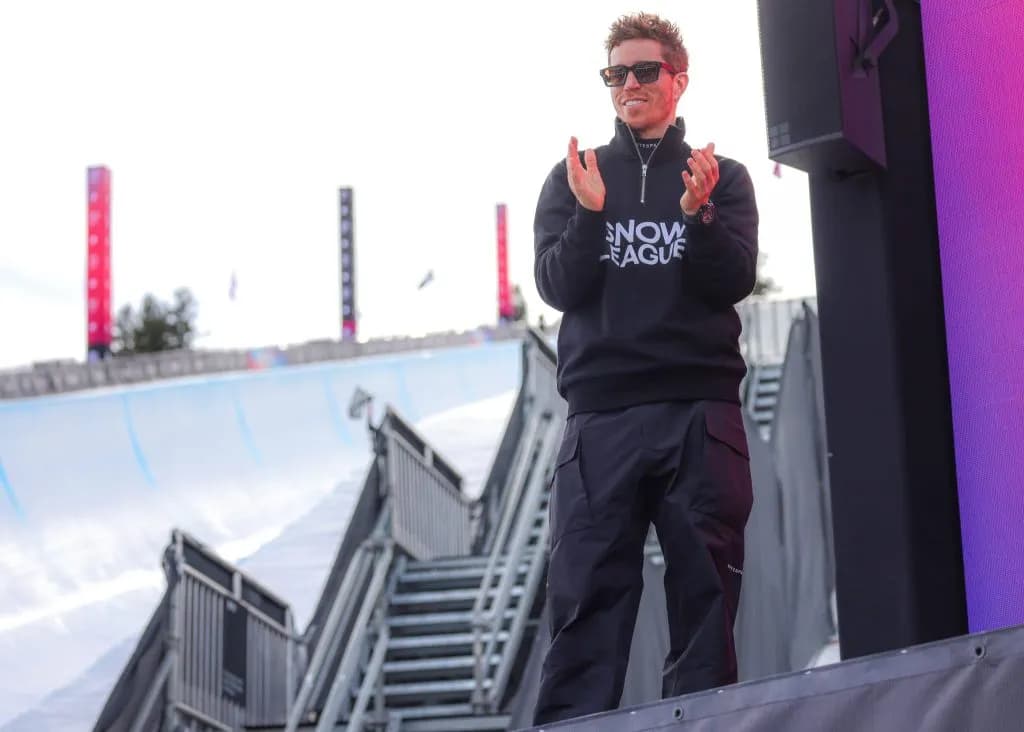
Or at least, that’s the pitch when you look at the pedigree. Park City, Utah, is getting its Olympic-sized halfpipe back. The Snow League, the competitive circuit founded by three-time Olympic gold medalist Shaun White, named the Utah resort town as a contest site for its 2026-27 season.
Let’s do the math on what that actually means for the locals who live and work here. This isn’t a minor exhibition. This is the return of a 22-foot halfpipe to a venue that hasn’t seen one since the 2019 world championships. That’s eight years of gap. Eight years where the U.S. men’s halfpipe team went from dominating the podium to being shut out entirely.
The timing is aggressive. The event is scheduled for Jan. 22-24. That’s the weekend traditionally associated with the Sundance Film Festival, which is moving to Colorado starting next year. You’re looking at two major international media events overlapping in Park City. That’s a lot of people in a town that already struggles with parking.
On paper, this looks like a victory lap for American snowboarding. In practice, it’s a desperate attempt to reverse a slide. The U.S. hasn’t won a men’s halfpipe Olympic gold since White took his third in 2018. The drought has coincided with a surge of top Japanese riders and, crucially, fewer halfpipes to train in across the United States. Japan’s Sena Tomita and Yuto Totsuka won the first Snow League snowboard titles. China’s Eileen Gu and New Zealand’s Luke Harrold took the skiing titles. We’re losing the talent pipeline because we’re losing the venues.
White said it himself: “Park City Mountain has always been one of the most important places in snowboarding and freeskiing, so bringing The Snow League here for Season Two feels incredibly special.”
It feels special because it’s necessary. Park City helped put snowboarding on the map. It hosted the 2002 Olympics, where Ross Powers, Danny Kass, and JJ Thomas swept the men’s medals and Kelly Clark won gold in the women’s contest. The town will host Olympic snowboarding again in 2034. This 2026-27 event is a dress rehearsal for the big one.
But let’s look at the logistics. The Snow League has held four events so far. Buttermilk Ski Area in Aspen hosted the first and third. A second event went to China. The finals wrapped up in Laax, Switzerland. Now, Park City is in the mix. It hasn’t been announced whether Aspen will host a Snow League event for the 2026-27 season, but Park City is locked in.
The financial impact on the community is tangible. You’re talking about hotel occupancy spikes. It means local businesses catering to athletes, coaches, and media crews for a week. Then there’s the infrastructure cost of maintaining a 22-foot halfpipe in a town that has to dig it out, shape it, and keep it stable for competition.
This isn’t just about Shaun White’s legacy. It’s about whether Park City can leverage its history to capture the next generation of snowboarders before Japan and China leave us in the dust. The U.S. once dominated. Now, we’re chasing.
The bottom line? Park City gets a world-class halfpipe. The locals get a busy weekend in January. And the U.S. snowboarding team gets a chance to prove it’s not just a memory. If the pipe stays up and the riders show up, it’s a win. If not, it’s just another expensive hole in the snow.
Keep up with Aspen
The day's Western Slope news, one email each morning. Free.