Colorado JBC Picks Private Prisons Over State Ownership to Curb Overflow
The Colorado Joint Budget Committee voted to contract with a private prison company to handle inmate overflow, choosing a $40 million annual operating cost over a $200 million state-owned facility.
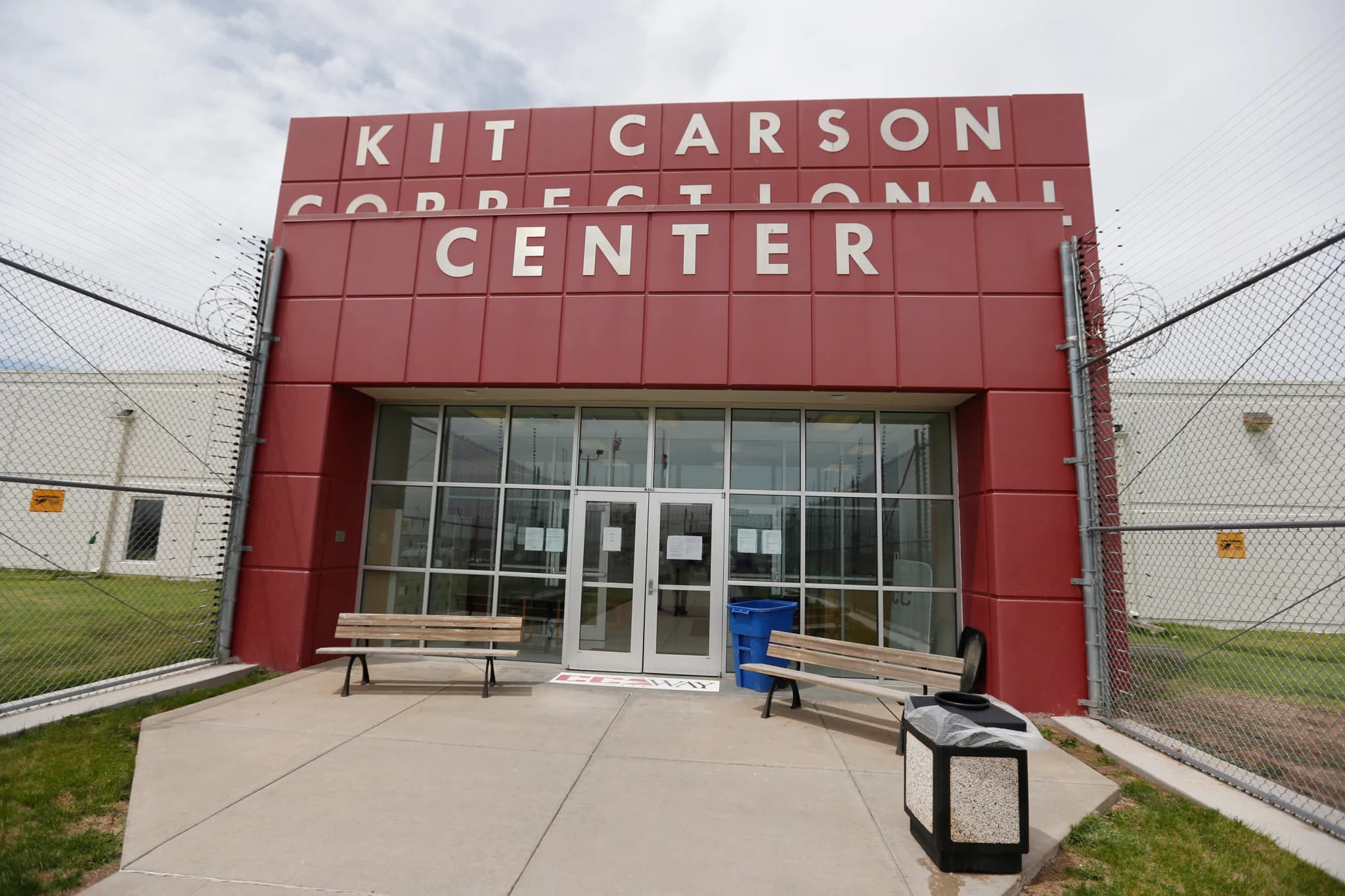
Colorado —$40 million a year. That’s the price tag for housing 700 inmates in a new, privately operated facility, according to the state’s latest projections.
The Joint Budget Committee (JBC) didn’t just pick a path; it picked the expensive one. In a move that flips the script on Governor Jared Polis’s original plan, state budget writers voted Tuesday to contract with a private prison company to reopen a shuttered facility rather than building or buying a state-run option. The goal is simple: handle the projected inmate overflow that’s expected to hit the system within the next year.
But here’s the catch. The JBC stopped short of spending the money immediately. They directed the governor’s office to submit an emergency funding request. If the state runs out of space — and the clock is ticking — Colorado will pay up. The committee set the rate at $115 per inmate per day. For context, that is double what the state currently pays CoreCivic, the sole private prison provider in Colorado.
Let’s do the math on the upfront costs. It will cost an estimated $6 million to get the private prison up and running. Then comes the recurring bill: $40 million annually. That’s not a one-time hit. That’s a recurring line item that will squeeze the budget for years.
Governor Polis had a different idea. He wanted the state to buy the Huerfano County Correctional Center in Walsenburg, which closed in 2010, and run it itself. The price tag for that? Up to $200 million. On paper, buying the building and managing the staff sounds like a long-term investment. In practice, it’s a massive capital outlay that requires the state to handle all the HR, maintenance, and operational headaches. The JBC rejected this. They chose to outsource the headache and pay a premium for the privilege.
The decision comes as the state is bleeding money elsewhere. The JBC is cutting Medicaid and other social services to plug a more than $1.5 billion budget shortfall. Democrats had hoped to find ways to spend less on incarceration this year. Instead, they’re committing to spending more, and faster, on a private entity.
The governor’s office had warned lawmakers for months that new space was needed, but suggested the timeline could stretch until after Polis leaves office in early 2027. Then, last month, the urgency spiked. The governor’s office told the JBC that space is needed now. The choice was binary: buy the Walsenburg facility for $150 million to $200 million, or contract out for a private operator. They picked the latter.
Which facility gets reopened is still a mystery. The JBC didn’t specify which shuttered private prison will be selected, nor which provider will run it. It’s a blank check for a location that hasn’t been chosen yet.
The vote still needs approval from the full legislature. But the direction is set. The state is betting that paying $115 a day per inmate to a private company is cheaper than the $200 million capital investment required to bring the state back into the business of running its own prisons. It’s a gamble on efficiency. It’s a bet that the private sector can manage the overflow without the state having to manage the bureaucracy.
For locals, the impact is twofold. First, your property taxes aren’t going up to fund a new state building in Walsenburg. That’s the immediate relief. Second, you’re funding a private corporation’s profit margin. The $40 million annual operating cost includes their overhead and their profit. You’re paying for the beds, the guards, and the corporate structure. And you’re paying double the rate you used to pay CoreCivic.
The JBC voted. The governor will ask for the money. The state will run out of space in a year. The question isn’t if the money will be spent, but how quickly the emergency request gets approved. The budget writers picked the contract. Now they just have to write the check.
Keep up with Colorado
The day's Western Slope news, one email each morning. Free.

Federal Report Sets 200,000 Acre-Foot Water Conservation Target for Upper Basin
Colorado Parks and Wildlife Deploys Precision Drones for Weed Control