FIFA Raises World Cup Final Ticket Price to $10,990
FIFA increases the maximum price for the 2026 World Cup final to $10,990, utilizing dynamic pricing across North American host cities to manage demand.
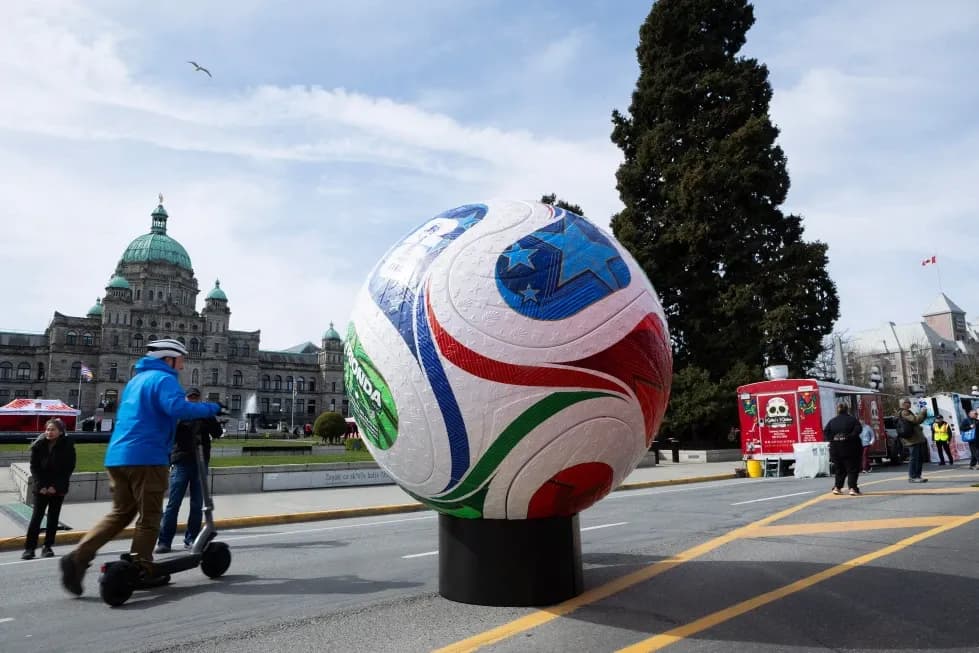
Aspen —The digital ticketing portal for the FIFA World Cup feels less like a retail store and more like a high-stakes auction house where the currency is patience and the price tag is measured in thousands. You click, you wait, you refresh, and suddenly, the ceiling for a seat in the final has been ripped off and replaced with something heavier, something that demands you reconsider what you’re willing to pay for ninety minutes of global theater. FIFA raised the maximum price for the World Cup final to $10,990 on Wednesday, a sharp increase from the $8,680 listed back in December when the initial draw was held.
It’s not just the headline number that catches your breath; it’s the granular reality of the pricing structure that follows. Category 2 tickets for the July 19 match at MetLife Stadium in East Rutherford, New Jersey, now sit at $7,380, up from $5,575. Category 3 tickets have climbed to $5,785, a jump from the previous $4,185. This is dynamic pricing in action, a mechanism the governing body is using across the 11 U.S. cities, three Mexican cities, and two Canadian cities hosting the tournament. The logic is simple supply and demand, but the effect is a tiered system that feels increasingly exclusive, pushing the average fan further from the pitch.
If you look closely at the schedule, the price hikes aren't uniform; they’re strategic. The U.S. opener against Paraguay on June 12 at SoFi Stadium in Inglewood, California, shows tickets available at $2,735, a figure that hasn’t budged since December. But the matches involving the host nations tell a different story. The inaugural game between Mexico and Saudi Arabia in Mexico City on June 11 lists tickets at $2,985, up from $2,355. Canada’s debut match against Bosnia-Heregovina in Toronto on June 12 is priced at $2,240, slightly higher than the $2,170 listed previously. These aren't random fluctuations; they are calculated adjustments based on anticipated interest and the specific draw of 48 teams that was finalized recently.
The experience of buying these tickets is its own kind of cultural artifact. Buyers are often funneled into a "last-minute sales phase" at 11:00 a.m. (1500 GMT), only to be directed to a queue for fans from the six nations that qualified on Tuesday. It’s a confusing, sometimes frustrating digital dance where links break, pages load slowly, and the interface doesn't always explain why you’re being sent to one segment rather than another. FIFA admitted that not all remaining tickets for the 104 matches are being released at once; they are being liberated gradually, a trickle-down approach to a flood of demand.
There’s a warmth to the anticipation of the World Cup, certainly, but there’s also a cold, hard edge to the cost of entry. The governing body hasn’t announced exactly which matches or price categories are available at any given moment, forcing potential buyers to hunt for themselves on a site that often takes hours to access. Some tickets for the U.S. match against Australia in Seattle on June 19 and the match against Turkey in Inglewood on June 25 were simply not listed at all, leaving buyers in the dark.
The final match at MetLife Stadium, the pinnacle of this four-year cycle, now commands nearly $11,000 for the most expensive seat. It’s a number that feels less like a ticket price and more like a small mortgage payment for a few hours of noise and color. You can feel the weight of it in the way the digital queues move, slow and deliberate, as fans from around the world compete for a slice of the spectacle. The lights of the stadium are bright, the grass is green, and the price of admission just went up.
Keep up with Aspen
The day's Western Slope news, one email each morning. Free.
The digital counter on the side of the bus in Carbondale ticks over, but the seats inside are half-empty
Eagle County Launches Aging Well Roadmap To Keep Seniors Housed