ILMA Sues to Block Colorado's $200 Million Producer Responsibility Recycling Fee
The Independent Lubricant Manufacturers Association is suing to block Colorado's new $200 million producer responsibility fee, arguing the 56-cent-per-gallon charge on lubricants violates constitutional and state laws regarding transparency and interstate commerce.
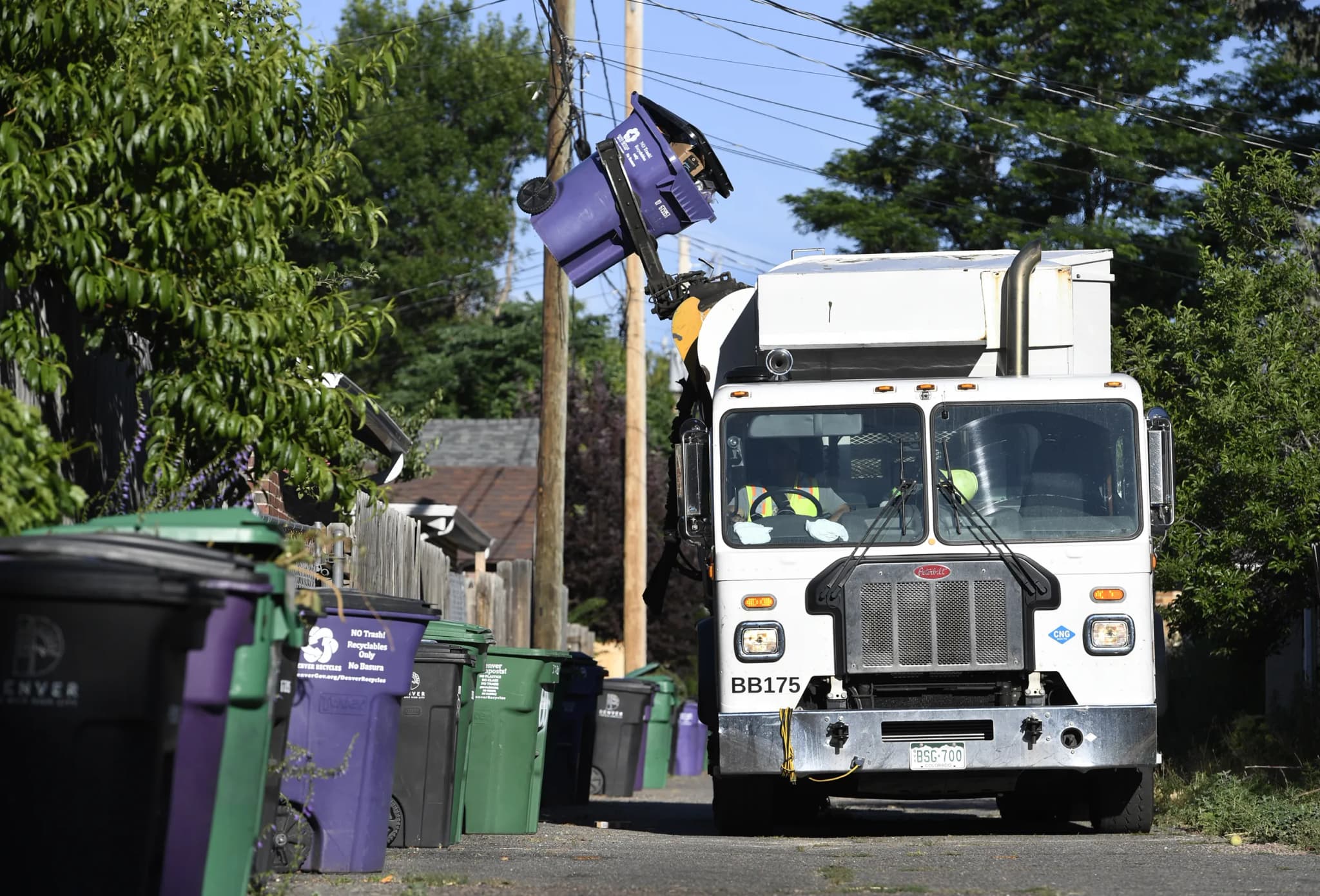
Colorado —The rumble of a Denver recycling truck echoes through West Highland alleys, a familiar rhythm for locals who know their curbside bins are emptied every two weeks. But that steady hum masks a legal battle that could change how every Colorado household pays for the privilege of recycling.
A consumer products group is suing to block the keystone of the state’s recycling expansion. The Independent Lubricant Manufacturers Association, or ILMA, argues the new “producer responsibility” fee violates the U.S. Constitution and state law. They want it stopped. Now.
The program launches this year. It’s worth $200 million. It charges manufacturers to fund grants for cities and nonprofits to expand curbside recycling. The money flows from the companies to the bins. The lawsuit claims the process is rigged.
ILMA represents packagers and sellers, not the major oil giants. They say they’re being squeezed out. The fee sits at 56 cents a gallon. That’s 14 cents on a quart of oil. It sounds small. It adds up fast for smaller firms.
Jeffrey Leiter, ILMA’s general counsel, says the fees hurt consumer sales. They hurt smaller companies most. Why? Because small businesses pay the fees upfront. They wait for the money back in sales. Big multinationals dominate the private committees setting the rates. They write the rules. Small family-owned firms get no say.
The result is a system where the fee is anything but frictionless. Advocates call it a fraction-of-a-penny. ILMA calls it a tax on transparency. Leiter says there are constitutional problems. He cites interstate commerce issues. Different states set different fees. A company operating across state lines faces a patchwork of costs. That complicates business. It complicates growth.
Oregon saw this coming. A similar suit by trade groups there secured a temporary injunction. ILMA hopes to replicate that success in Colorado. They want negotiations. They want an injunction. They want the program altered before it fully takes hold.
The short version: Colorado wants to fund better recycling. It chose to make manufacturers pay. ILMA says the manufacturers didn’t agree to the terms. They say the fee is too high. They say the process is opaque.
Read that again. The state is spending $200 million to expand recycling access. The money comes from the very companies selling the products that end up in the bins. But if the lawsuit succeeds, that money might not flow. Or it might flow slower. Or it might flow differently.
Locals might see higher prices at the store. Or they might see less funding for local waste management upgrades. The link between the fee and the bin is direct. Break the fee, and the funding dries up.
Leiter admits the goal is worthwhile. Everyone agrees recycling is good. The dispute is over the method. He says the current structure is unsustainable. He points to transparency issues. He points to the power imbalance between big multinationals and small producers.
The suit challenges the core assumption that self-administered fees are fair. If the courts agree, Colorado’s recycling model cracks. If they don’t, the fees stand. The money moves. The bins get emptied.
The question isn’t whether recycling matters. It’s who pays for it, and how much control they get. ILMA says they’re paying without representation. They want a seat at the table. Or they want the table flipped.
Worth watching is the injunction request. If a judge grants it, the $200 million program freezes. If not, the trucks keep rolling. And the fees keep collecting.
Keep up with Colorado
The day's Western Slope news, one email each morning. Free.

Federal Report Sets 200,000 Acre-Foot Water Conservation Target for Upper Basin
Colorado Parks and Wildlife Deploys Precision Drones for Weed Control