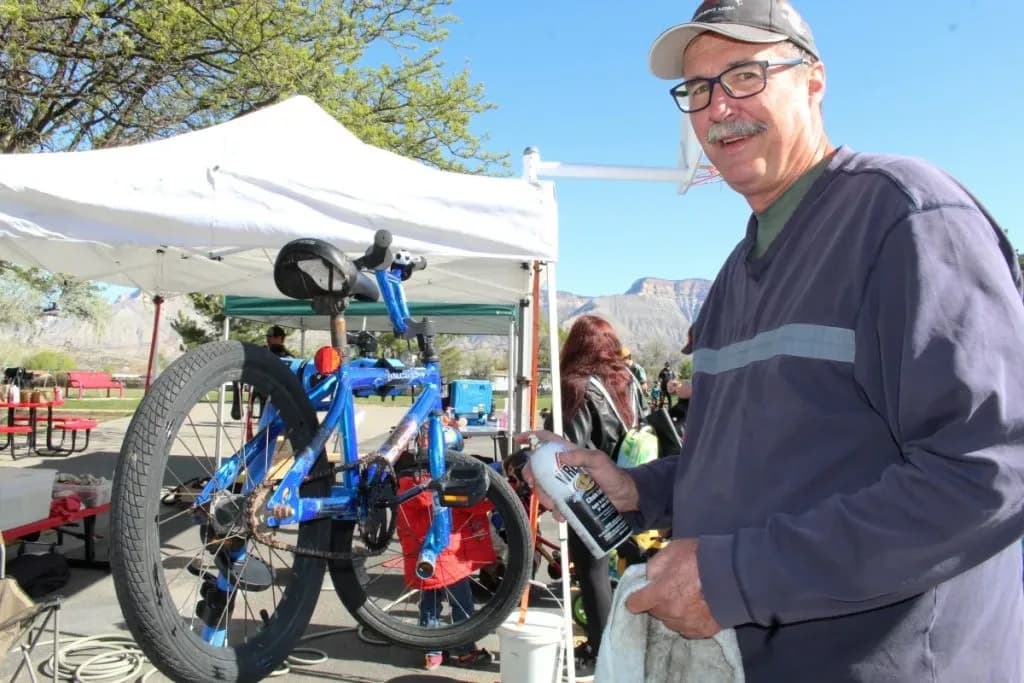
Gypsum Business Owner Relies on Vail Valley Charitable Fund After Medical Crisis
Jesse Terrell, a successful Gypsum business owner, survived nine months of medical complications and lost income thanks to the Vail Valley Charitable Fund, proving aid extends beyond the destitute.
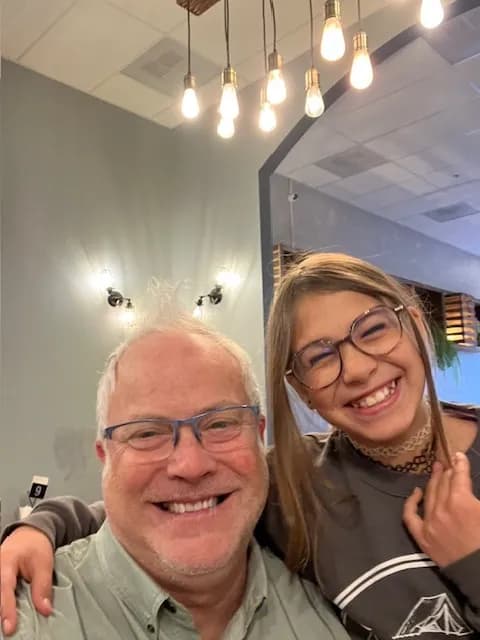
Aspen —"Thank you, Vail Valley Charitable Fund, for being there in our time of need."
Jesse Terrell writes those words with the weight of someone who has stared down financial ruin and won. But the story behind the thank-you note is less about charity and more about how quickly a "normal" life in the Vail Valley can fracture.
Terrell, a grant recipient, didn’t expect 2025 to break him. He was young. Healthy. Just closing a successful high-end window and door installation business after 16 years. He wanted to be home with his wife and daughter. He wanted to watch his kid enter middle school.
Instead, he spent nine months unable to work.
It started with back pain on January 3. Terrell thought it was the usual kind — something rest would fix. It wasn’t. His body refused the script. Injections stalled. Procedures got rescheduled. The year ended with his mother passing the day after Christmas, capping off a period of physical and emotional attrition.
When surgery finally happened, it didn’t solve the problem. It made it worse.
Terrell contracted a post-operative infection. The pain was excruciating. He endured six injections. Three rounds of antibiotics. Two ambulance trips to the emergency room. A medical transport from Denver back to his home in Gypsum. Two back surgeries. Two additional surgeries just to remove the infections.
Nine months without income.
Most folks assume charitable funds are for the destitute. The truly poor. Terrell’s story proves that assumption wrong. He had a business. He had assets. He had insurance, presumably. But the sheer volume of medical interventions drained the safety net before it could catch him.
The Vail Valley Charitable Fund kept the lights on. It kept the family in their home. It allowed Terrell to focus on healing rather than panic over the mortgage. That is the utility of the fund — not just a handout, but a stabilizer for a community that prides itself on resilience but often underestimates the cost of a single bad health event.
Terrell plans to give back. He wants to support someone else when they need it most. That’s the cycle. You take, you heal, you give. It’s how the system is supposed to work.
But look closer at the logistics. Terrell lives in Gypsum. The medical transport alone suggests a complexity of care that spans the valley. The fund didn’t just write a check; it absorbed the friction of a healthcare system that is efficient at fixing bones but expensive at fixing people.
The short version: Terrell’s business closed. His health failed. His family stayed housed.
That’s the result. The question is whether that result is the exception or the rule. How many other Gypsum homeowners are quietly surviving on similar grants right now, their "normal" lives paused by a single injection that went wrong?
Terrell doesn’t say. He just says thank you. And for now, that has to be enough.
Keep up with Aspen
The day's Western Slope news, one email each morning. Free.
NWRM CASA Honors Judge O’Hara and Founders at 15th Anniversary

Craig Hosts Only Regional Special Olympics Bowling Competition