Colorado School Attendance Stalls With 233,000 Students Chronically Absent
Colorado’s chronic absenteeism rate fell to 27.5% but remains well above pre-pandemic levels, leaving 233,281 students missing over 10% of school days.
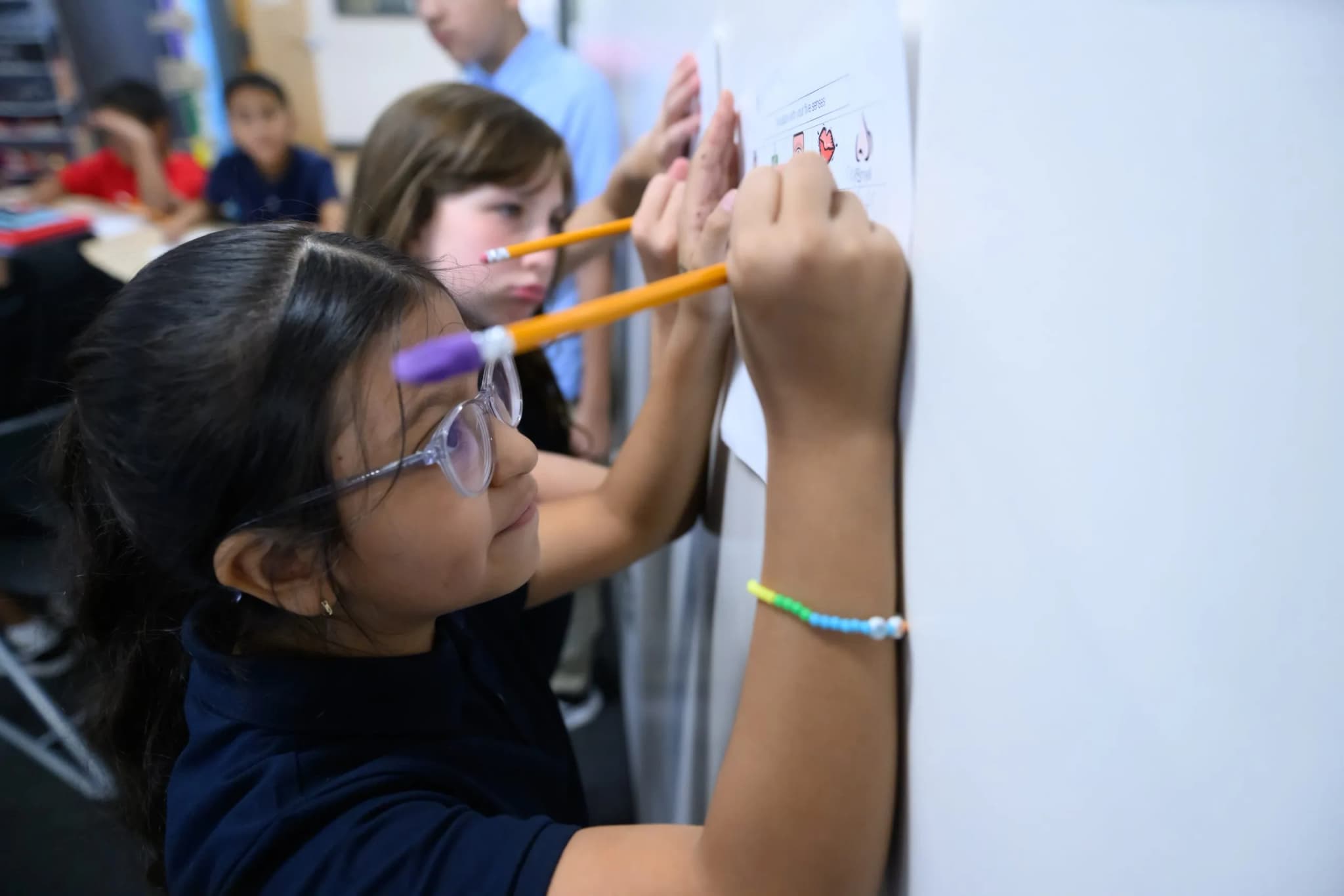
233,281 Colorado students missed more than 10% of school last year.
That is the number that matters. The rest is noise.
The Colorado Department of Education released attendance data Thursday, and the headline is a victory lap. The state’s overall attendance rate ticked up by 0.1 percentage points to 91.5%. Chronic absenteeism dropped from 28.4% to 27.5%. Colorado Education Commissioner Susana Córdova called it "steady, broad-based progress."
Make no mistake: 0.1 percentage points is not a turnaround. It is a rounding error in the grand scheme of a post-pandemic education crisis.
Read that again. 27.5% of kids were chronically absent. That means nearly three out of every ten students in the state did not show up for more than 10% of the school year. If a student attends a school in session for 160 days, they missed at least 16 days. That is not a bad week. That is a month of missing class, spread out over the year.
The obvious take is that attendance is getting better. The counterintuitive truth is that we are still significantly behind where we were before the pandemic. In 2018-19, Colorado’s average attendance rate was 92.3%. Chronic absenteeism sat at 22.5%. We have not recovered that ground. Not even close.
The data shows improvement in every grade level, with the largest jumps in kindergarten and grades seven, eight, and 10. Most of the state’s 178 school districts managed to increase their attendance rate or hold it steady. 124 districts saw attendance match or beat the previous year. 113 districts cut chronic absenteeism.
But look at who is still missing class. The Department of Education flagged older students as a particular concern, and the numbers back up that worry. Last year, 41% of high school seniors missed more than 10% of school days. High school juniors followed at 34.5%. Sophomores hit nearly 32%.
The short version: younger kids are coming back. Older kids are not.
This hits the Western Slope directly. Attendance is a local failure before it is a state one. When 27% of students are chronically absent, that translates to empty desks in classrooms from Montrose to Glenwood Springs. It means teachers are covering for missing students with fewer resources. It means learning gaps widen every time a student stays home.
Córdova’s statement is careful. She notes that "more than 27% of Colorado students are still chronically absent." That is the part she doesn’t want to bury. The progress is real, but it is incremental. We are moving in the right direction at a pace that will not close the gap with pre-pandemic norms for years.
What is missing from this story? The "why."
The data tells us who is absent and how often. It does not tell us why a fifth grader in Harrison School District 2 or a senior in a rural district is skipping class. Is it mental health? Transportation? Work? Family instability? The state reports the symptom, not the disease.
We know attendance improved in every grade level. We know 233,281 students still missed more than 10% of the year. We know high school seniors are the most absent group, at a 41% rate.
The state is celebrating a 0.9 percentage point drop in chronic absenteeism. That feels like a win on paper. In a classroom, it means fewer kids are missing class than last year. But 27.5% is still a crisis.
The story isn’t over. It’s just slower than anyone wants it to be.
Keep up with the Western Slope
The day's Western Slope news, one email each morning. Free.