Colorado Seeks Federal Aid After Wildfire Disaster Denial
Colorado lawmakers push for federal disaster relief funding after denial from Trump administration, introducing the Disaster Declaration Transparency Act to override the decision.
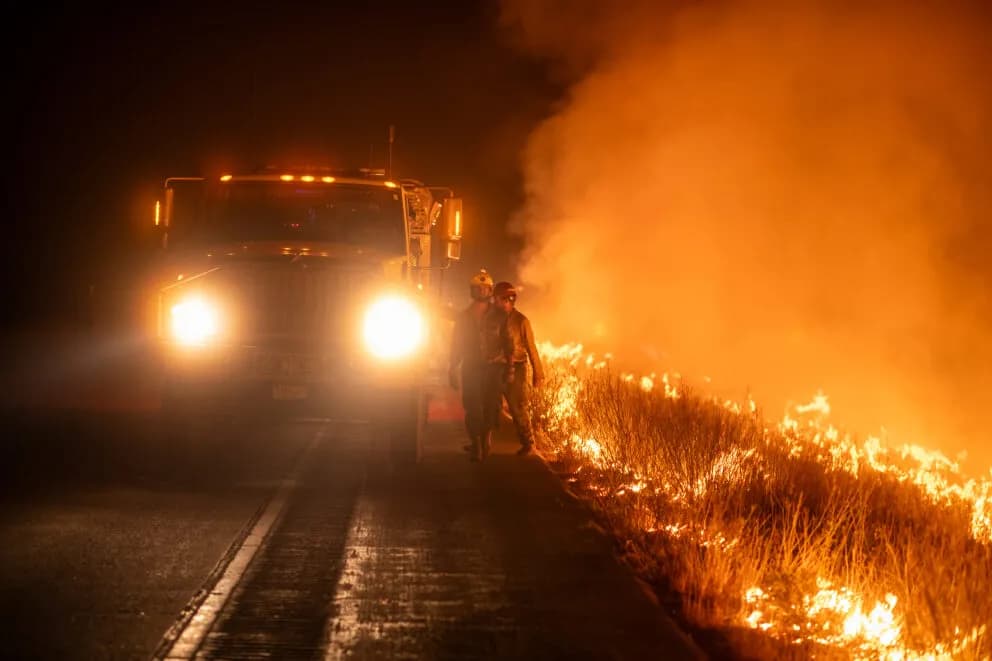
Aspen —Standing on the charred hillsides of northwest Colorado, the remnants of the Lee Fire — the fifth largest wildfire in the state's history — still linger. The fire burned roughly 137,750 acres, leaving behind a trail of destruction and uncertainty for the people in the valley. The air is thick with the smell of smoke and ash, a constant reminder of the devastation that occurred last summer.
Colorado lawmakers in Congress are pushing to secure millions in federal disaster relief funding, which was denied by President Donald Trump's administration with little explanation. U.S. Sens. Michael Bennet and John Hickenlooper introduced a bill entitled the "Disaster Declaration Transparency Act of 2026" on April 29, aiming to override the president's denial of disaster declarations. This move comes after the Federal Emergency Management Agency (FEMA) denied an appeal of two major disaster declaration requests from Colorado Gov. Jared Polis, which would have unlocked millions in federal disaster recovery funding.
The proposed legislation is a direct response to the Trump administration's decision to deny aid, despite FEMA determining that there was over $40 million in qualified damages from the two Colorado disasters. This amount meets the agency's fiscal thresholds to warrant aid, according to Sens. Bennet and Hickenlooper. The denial of disaster aid has left folks around here to bear the costs, with the Trump administration providing no substantive concerns or justifications for their decisions.
Under the Stafford Act, governors of states affected by disasters can request major disaster declarations when the situation is beyond their state's capability. However, the U.S. president has the sole discretion to issue a major disaster declaration, according to FEMA. This has led to accusations from Democratic politicians in Colorado, including Sens. Bennet and Gov. Polis, that the Trump administration is retaliating against the state and playing "political games" with disaster relief funding.
The lack of transparency from FEMA has been a significant concern, with the agency providing multiple statements through unnamed spokespeople rather than responding to specific questions. The denial letters from FEMA state only that aid was "not warranted," without providing any details on the criteria that Colorado's disaster declaration requests failed to meet. This lack of information has left the community in the dark, wondering what they could have done differently to secure the much-needed aid.
Sens. Bennet and Hickenlooper are adamant that disaster relief should not be tied to politics. "The president is putting politics over Americans in crisis," Hickenlooper said in a statement. "Your zip code and your vote should not decide whether you can rebuild." The introduction of the "Disaster Declaration Transparency Act of 2026" is a step towards ensuring that disaster relief is provided based on need, rather than political considerations.
As the community continues to rebuild and recover from the devastating effects of the Lee Fire, the need for transparent and fair disaster relief funding is more pressing than ever. The proposed legislation aims to address this issue, but its success is far from guaranteed. One thing is certain, however, the community will not give up in their pursuit of justice and fairness, the outcome of this will have far-reaching consequences for the state and its residents.
The local impact of this decision will be significant, with the denied aid amounting to what the city of Delta spends on road maintenance in a year. This is not just a matter of politics; it's about the livelihoods of the people in the valley. The community is worth watching, as they navigate this complex and challenging situation. Make no mistake, the outcome of this will have far-reaching consequences for the state and its residents. Read that again; the Trump administration's denial of disaster aid has left locals to pay the tab, and it's unclear what the future holds.
Keep up with Aspen
The day's Western Slope news, one email each morning. Free.

S&P 500 Slips Modestly as Weak Retail Sales and Oil Prices Drive Market Correction

Aspen Essay Connects Generations Through Highway 82 Landmarks