Colorado Single-Family Homes Outpace Condos in July Market
July sales data reveals a split in Colorado’s housing market, with single-family homes maintaining steady demand while condos and townhomes face weakening prices and longer days on market.
Aspen —The morning fog still clings to the valley floor along Highway 6, but the traffic on the Western Slope is moving. It’s a familiar rhythm for locals who know that while the scenery changes with the seasons, the underlying economics of this stretch of land remain stubbornly consistent. Yet, beneath that steady hum of commuters and tourists, the numbers are telling a more complex story about who can afford to stay here.
Colorado’s housing market is currently experiencing a divergence in demand that varies significantly by property type, with ski towns showing unexpected resilience while attached housing struggles. According to the most recent Market Trends Housing Report from the Colorado Association of Realtors, the state’s shrinking inventory is not creating a uniform boom. Instead, it highlights a split between single-family homes, which are holding their ground, and condos and townhomes, which are facing weakening demand.
The state’s overall sales activity remained stable through the summer, transitioning out of a high-inventory spring. Over 7,900 homes sold in July across all property types, matching the volume from the same time last year. The median sales price also held flat at $550,000. However, the average price increased 3.3% to $726,149, suggesting that while the middle of the market is steady, higher-end properties are pulling the average up.
For Western Slope residents, this distinction matters because it affects how long their property sits on the market and whether they can command a fair price. Single-family homes saw a 0.6% bump in July sales compared to last year, with pending contracts rising 1.6%. The median price for these homes rose 1.3% to $592,845. Active listings for single-family homes fell 10.2% to 24,543, bringing the months of supply down to 4.3 months. These homes spent an average of 53 days on the market, just one day longer than in July 2025.
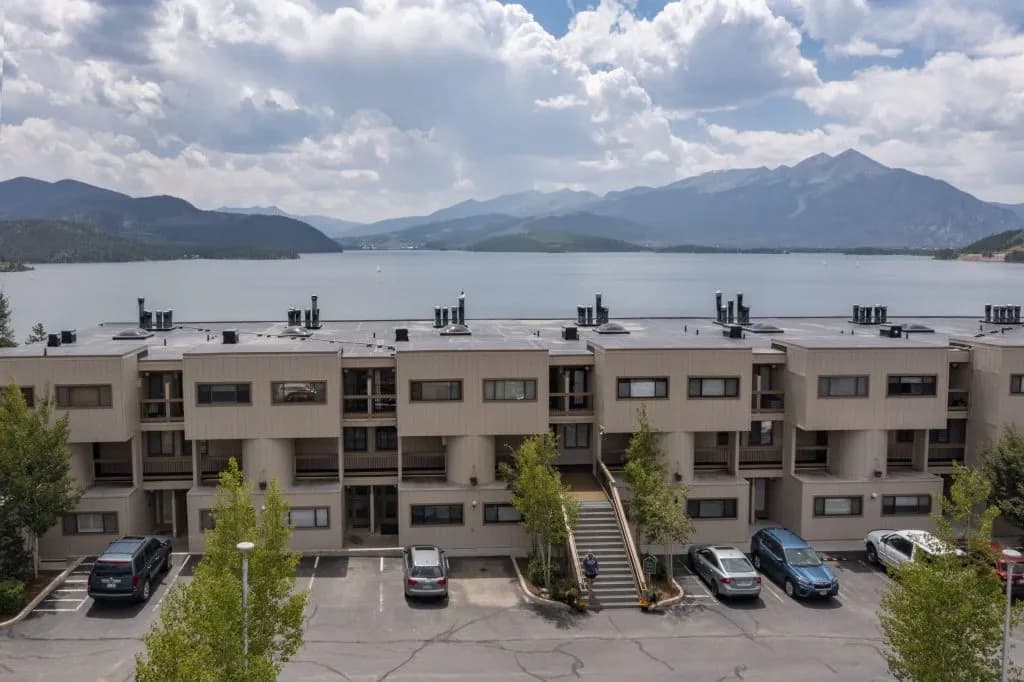
The opposite trend is evident in attached housing. Condos and townhomes faced greater pressure, with contracts falling 10.5% and closed sales shrinking by 3.8%. The median price for these properties slipped 0.7% to $397,250. With 6.6 months of supply, attached homes took an average of 74 days to sell — 11 days longer than last July and 21 days longer than single-family properties.
This shift in demand means that declining inventory is no longer a reliable measure of seller leverage, particularly for attached housing. Realtors are advising sellers to focus on competitive pricing and presentation rather than assuming that lower inventory automatically leads to higher prices.
“Buyers still have meaningful negotiating leverage across both segments … but that leverage is especially visible in attached housing,” said Denver Realtor Cooper Thayer. He noted that for attached sellers, lower inventory has not been enough to overcome weaker demand, longer marketing periods, more frequent price reductions, and greater affordability pressure.
The question for the Western Slope is whether this divergence will lead to a broader correction or simply a stabilization of different market segments. Ski towns, which often rely on second-home buyers and vacation rentals, are showing signs of resilience despite the national headwinds. Meanwhile, urban centers and areas with higher concentrations of townhomes are feeling the pinch of affordability pressures.
As locals navigate this mixed landscape, the data suggests that patience and pricing are key. The math holds up for single-family homeowners, but those selling attached properties may need to be more strategic. The market isn't broken; it's just becoming more selective about what it values.
“Sellers need to recognize that the old playbook of ‘list high and wait’ doesn’t work as well for attached homes right now,” Thayer added. “If you want to move, you have to meet buyers where they are.”
Keep up with Aspen
The day's Western Slope news, one email each morning. Free.