Colorado Ski Passes Reflect 150 Years of Mountain History
Colorado's multi-billion-dollar ski industry, driven by Vail Resorts and Alterra Mountain Co, leverages 150 years of history from gold rush immigrants to the 10th Mountain Division, turning natural landscape into a premium product for lift ticket buyers.
Glenwood Springs —What does 150 years of skiing history actually mean for the folks buying lift tickets on the Western Slope today?
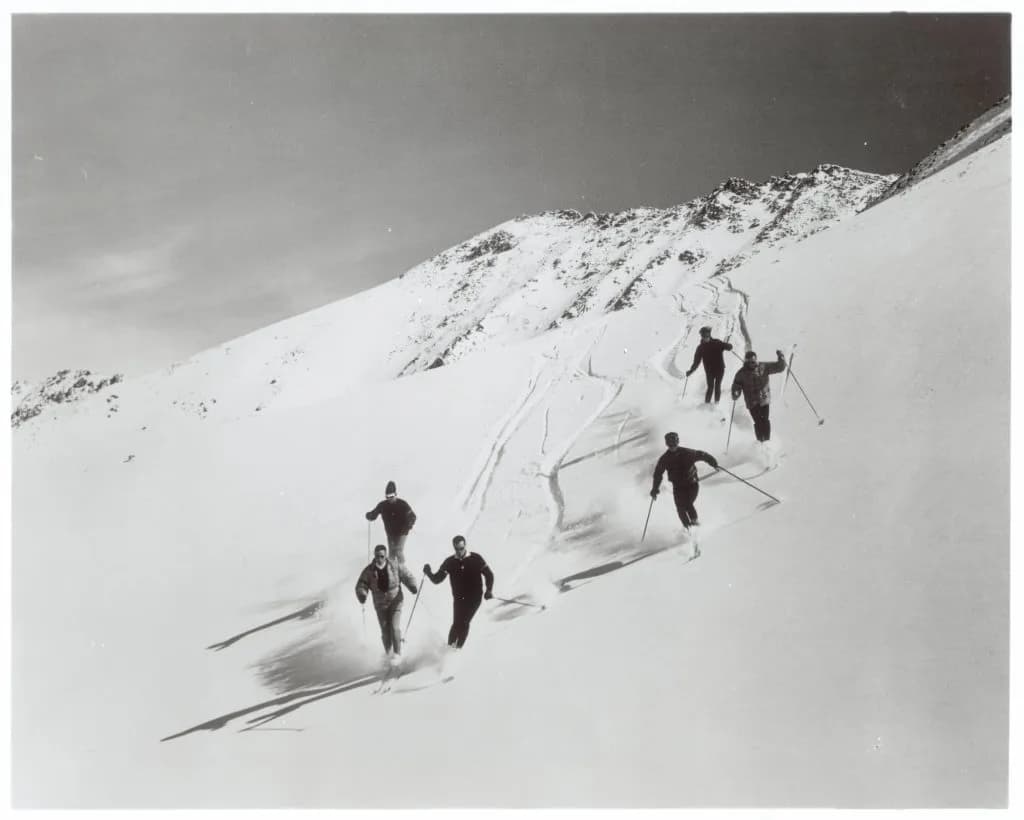
It means you’re paying for a brand that’s been refined through gold rushes, World War II infantry drills, and the freestyle explosion of the late 1900s. But let’s look at the hard numbers, not just the nostalgia.
Colorado attracts roughly one-fifth of total U.S. ski visitation annually. That is a massive chunk of traffic for a state that isn’t even the largest by land area. The industry has snowballed from humble winter travel into a multi-billion-dollar engine. And it’s driven by two giants: Vail Resorts with its Epic Pass and Alterra Mountain Co. with the Ikon Pass.
You see these passes everywhere now. They lock you into a system of major resorts — Vail Mountain, Breckenridge, Aspen-Snowmass, Steamboat Resort, and Winter Park. These aren’t just local spots; they are the anchors of a global outdoor industry.
Dana Mathios, curator and director of collections at the Colorado Snowsports Museum, puts it plainly. “The mountains and skiing have become synonymous with our identity,” she said. She argues this isn’t accidental. It’s because the roots run deep.
Those roots go back to Scandinavian immigrants during the gold rush, who found that 9-foot-long skis worked better in deep powder than snowshoes. Then came Father John Lewis Dyer, a skiing preacher and mail carrier who proved you could do both. Later, the 10th Mountain Division trained right here in Colorado. These elite light infantry “ski troops” didn’t just fight; they came home and founded dozens of ski resorts.
Sam Bock, history Colorado’s director of interpretation and publications, sees this as a question of identity. “I think the big question 150 years ago in the state was, ‘What are we going to be?'” he said. It took five tries over 17 years to go from territory to state. The questions weren’t fully answered then, and Bock thinks they still aren’t today.
But skiing is the answer we keep coming back to. Bock notes he grew up skiing in Colorado from age 3. He argues that while you can build a ski resort anywhere, you can’t recreate the unique relationship between Colorado’s mountains and the generations who made them part of our culture.
Mathios adds that people transformed natural beauty into a culture of adventure, innovation, and community. You can build the lift. You can pave the roads. But you can’t manufacture that specific local vibe that keeps visitors coming back year after year.
For locals, this history translates directly to the cost of living and the value of your leisure time. When you buy an Epic or Ikon pass, you aren’t just buying access to snow. You’re paying into a system that has been optimizing its landscape for 150 years. The infrastructure is there. The traffic is there. The money is there.
The question isn’t whether skiing will remain central to Colorado’s economy. It’s whether the current pass structures allow everyday residents to access that history, or if they’re just funding the conglomerates. On paper, Colorado has the perfect landscape. In practice, it’s becoming a premium product.
Keep up with Glenwood Springs
The day's Western Slope news, one email each morning. Free.
Aspen's ACES Returns Annual Harvest Party to Rock Bottom Ranch
Glenwood Ghostwalk Brings Frontier History to Life in Linwood Cemetery