Colorado Springs Teens Screen Raw Shelter and Adoption Docs
Twelve Colorado Springs teens screen independent documentaries Sunday at the Cornerstone Arts Center, sharing raw stories of shelter life and adoption through their first film projects.
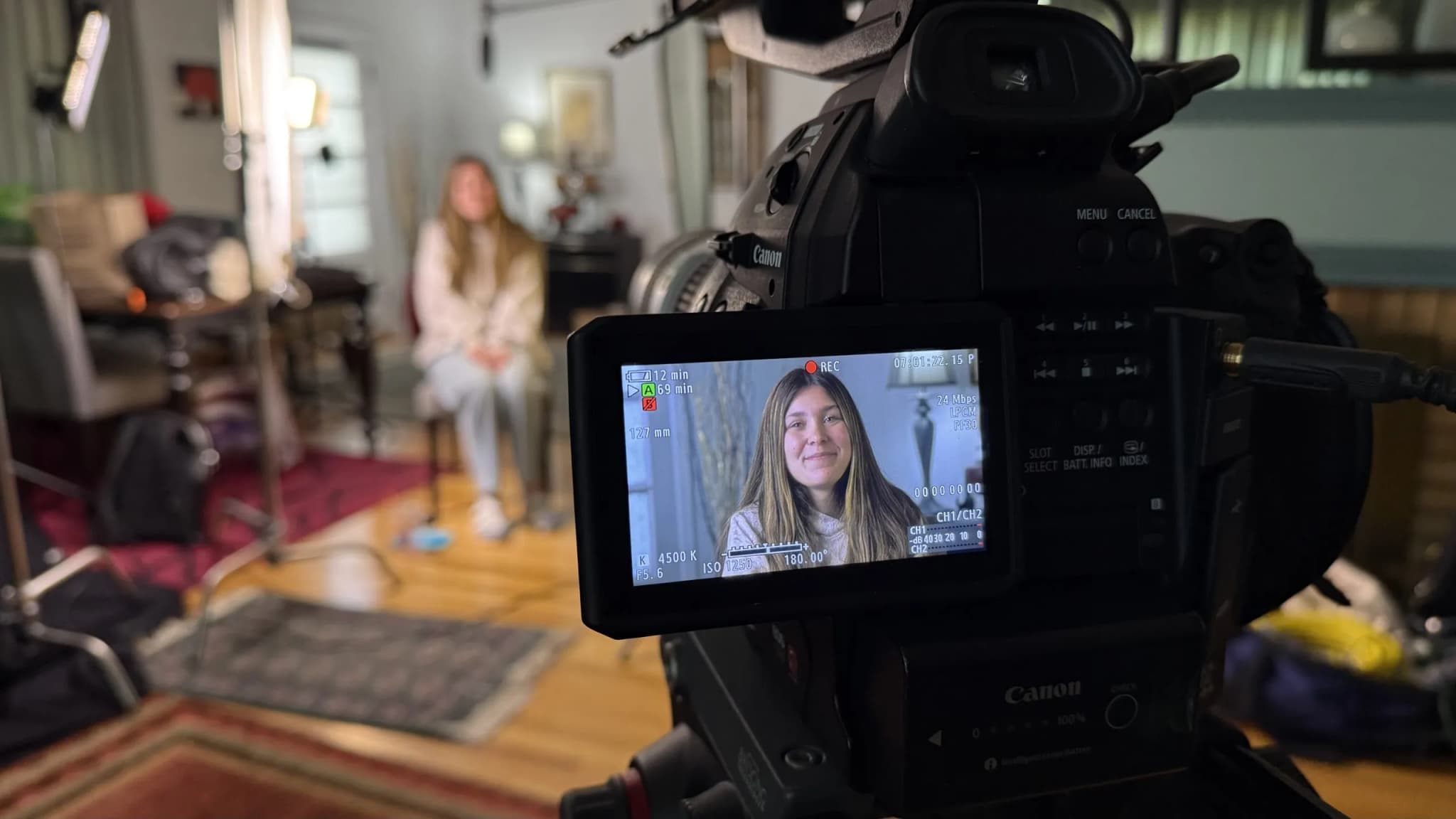
The most common reaction to a new documentary is skepticism. Viewers assume the subject has polished their trauma for public consumption, or that a 17-year-old with a phone in hand has somehow captured the truth of their life. But when Cynniah Mack debuts her film "Finding Tranquility" this Sunday, the counterintuitive reality is that the production value matters less than the raw material. The film isn’t a polished Hollywood product; it’s a 14-minute reconstruction of years spent moving between women’s shelters in Colorado Springs with her mother.
Mack, 17, admits she didn’t even plan to make a documentary. She started by cutting together phone videos she took as a child, specifically footage of her mother filming their cats. It was, in her words, a way of "getting back at her mom."
"I was saying 'I can film stuff and make these documentaries, too,'" Mack said. "In a joking way."
That joke became the backbone of her project in the Youth Documentary Academy (YDA), a free summer program that trains 12 students to tell their stories. The program blends technical skills with narrative craft and, as the Colorado Sun noted, "a little dash of therapy." For Mack, the film is less about the shelters and more about the resilience of her relationship with her mother.
"I want other mother-daughters to see it and say, 'Hey, we’re kind of like that. We’ve gone through something similar,'" Mack said. "We’ve gone through hard times together, and we can persevere and get through that."
The audience for these films is local. This Sunday, Mack and nine other students will screen their work at the Edith Kinney Gaylord Cornerstone Arts Center in Colorado Springs. They are screening for each other and for the public, a low-stakes but high-emotion environment that challenges the usual distance between filmmaker and viewer.
Not every participant arrived with a clear narrative arc. Dee Purvis, 18, a freshman at Pikes Peak State College, was initially reluctant to join the program. His school principal talked him into applying. Purvis directed a film about his experience as one of three adopted Black children in a white family, a topic that deals with identity and belonging in ways that are often difficult to articulate.
"I didn’t even want to be in YDA, I didn’t want to apply or anything," Purvis said. "But now that I think about it, it was probably the best thing that could have ever happened."
The program’s existence is a response to a specific gap in the local arts scene. YDA was founded in 2014 by Tom Shepard, who grew up in Colorado Springs before moving to California. He saw the power of documentary filmmaking while living in the San Francisco Bay area, specifically after watching "The Times of Harvey Milk," a 1984 documentary about California’s first openly gay state senator. Shepard returned to the Springs with a mission: to give local teens the tools to tell their own stories, regardless of their prior experience.
Most students in YDA have no filmmaking background. Some arrive with a story idea; others don’t know why they’re there at all. The program is funded by a collection of organizations, meaning the students pay nothing. For neighbors in the valley and the Springs who might wonder if these films are just school projects, the distinction is important. These are independent documentaries created by young people who have lived through complex circumstances — shelter life, adoption, the struggle to find a sense of self in a new community.
The question is whether these stories will resonate with the wider community beyond the Sunday screening. The math holds up in a simple way: when you give people the tools to articulate their own experiences, they often find connections with others who have walked similar paths. Mack’s film is about a mother and daughter navigating instability; Purvis’s is about identity in a family that isn’t biologically his own. These are not niche topics. They are the texture of life for many people in this region, even if they don’t always talk about them.
Shepard’s original vision was to bring the intimacy of documentary filmmaking back to the community that shaped him. Now, more than a decade later, the students are doing the work he started. They are taking their "dark corners" and turning them into light, not for the sake of art alone, but for the sake of recognition.
Mack knows that her film is a small thing — a 14-minute clip on a screen in an arts center. But she also knows that for some mother-daughter pair sitting in the audience, it might be the first time they see their own struggle reflected back at them with clarity.
"He learns how to be a wallflower, how to embrace being a wallflower," Mack said of the character in her favorite novel. "Also Emma Watson is in it."
That mix of deep self-reflection and casual humor is exactly what the YDA filmmakers bring to their work. They are not trying to be serious all the time. They are just trying to be honest.
Keep up with the Western Slope
The day's Western Slope news, one email each morning. Free.