Colorado Supreme Court Weighs Liability Waivers for Ski Resorts
The Colorado Supreme Court is considering a case that could impact the use of liability waivers at ski resorts, potentially changing how resorts manage risk and customer protections.
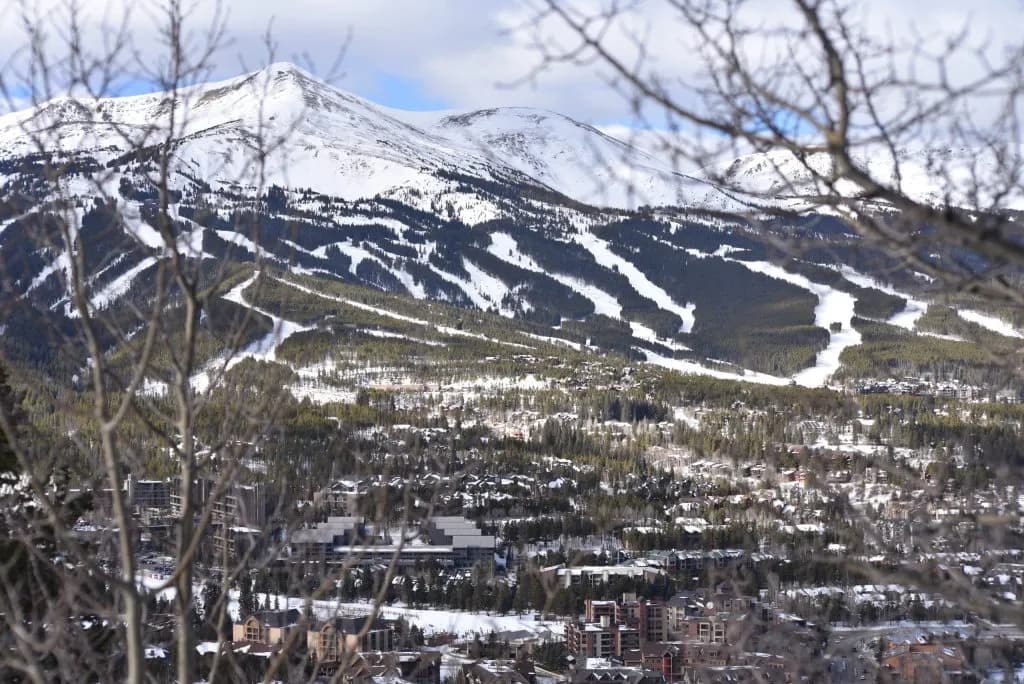
Aspen —"I didn't intend to dismiss my active lawsuit when I bought the second Epic Pass," says Trent Ongert, attorney for John Litterer, a Texas man suing Vail Resorts after being hit by a snowmobile at Breckenridge Ski Resort in 2020. This statement gets to the heart of a case that could further test the limits of liability waivers ski resorts require customers to sign when buying passes.
The Colorado Supreme Court heard oral arguments in the case on April 16, and the justices focused many of their questions on the second liability waiver Litterer signed when he purchased an Epic Pass for the 2022-23 season. Litterer had already signed a similar waiver when he bought his initial Epic Pass for the 2020-21 season, the year he was injured. The fact that he signed a second waiver while his litigation was still ongoing has complicated the case.
As Ongert puts it, the language of the liability waiver was "too broad" to be enforced. However, Vail Resorts' attorney Michael Hofmann argued that the language of the waiver was clear: Litterer agreed to waive his existing lawsuit when he bought a pass. Hofmann also warned that ruling otherwise could create issues for contract law in Colorado.
The case has drawn attention because it could expand or clarify a landmark ruling in Miller v. Crested Butte. In that case, the Supreme Court ruled that a ski resort's blanket liability waivers cannot protect resorts when they are violating state laws or regulations. The Miller case involved a 16-year-old girl who was paralyzed after a 30-foot fall from a chairlift at a Vail Resorts-owned ski area. A jury found the resort negligent for violating state regulations, including chairlift safety rules.
The question is whether the same principles will apply in Litterer's case. The court's decision could have significant implications for ski resorts and their customers. As the court considers the case, it will be weighing the rights of customers to sue for injuries against the need for resorts to manage their risk.
The numbers back up the importance of this case: ski resorts in Colorado attract millions of visitors each year, generating significant revenue for local economies. However, the resorts also face significant liability risks, and the use of blanket waivers has been a common practice for managing those risks.
The outcome of this case is likely to be closely watched by the ski industry and customers alike. As Ongert notes, the case could have far-reaching consequences for how ski resorts operate and how customers are protected.
For now, the case is in the hands of the Supreme Court, which typically issues written opinions within nine months of oral arguments. As the justices consider the case, they will be looking at the specifics of Litterer's situation and the broader implications for the ski industry.
In the end, the court's decision will depend on its interpretation of the liability waiver and the circumstances surrounding Litterer's injury. As Hofmann says, the language of the waiver is clear, but Ongert argues that it is too broad to be enforced. The justices will have to balance these competing arguments and consider the potential consequences of their decision.
As Litterer's attorney, Ongert, says, "We're looking for a fair outcome that takes into account the facts of the case and the law as it applies to ski resorts and their customers." The decision will be an important one, and it will be interesting to see how the court rules in this complex and closely watched case.
Keep up with Aspen
The day's Western Slope news, one email each morning. Free.


S&P 500 Slips Modestly as Weak Retail Sales and Oil Prices Drive Market Correction

Aspen Essay Connects Generations Through Highway 82 Landmarks