Colorado Trains Range Riders to Reduce Wolf Livestock Conflict
Colorado's range rider program aims to reduce conflict between wolves and livestock. The program provides training for range riders to effectively haze wolves and protect livestock.
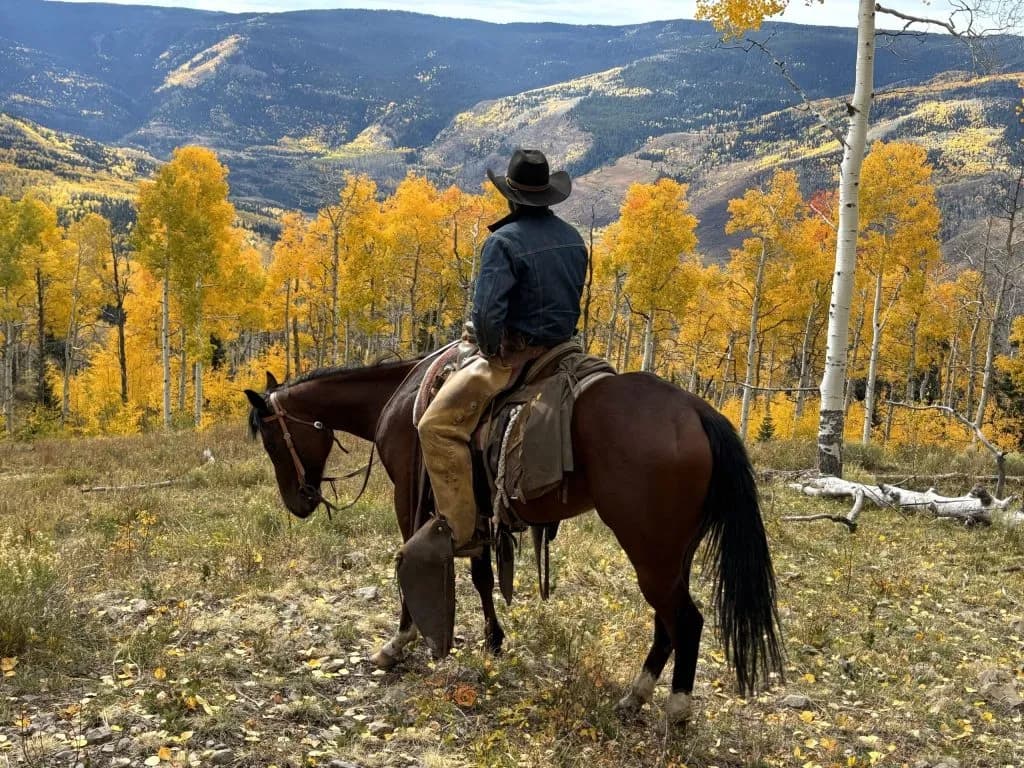
Grand Junction —The sun rises over the Grand Junction training grounds, casting a warm glow over the 15 range riders gathered for a five-day training session. The air is crisp, filled with the sound of birds chirping and the occasional rustle of leaves as the riders move through the area. Be curious, they're told, go out every day and earn trust, watch the birds, persistence is better than intensity when it comes to hazing wolves.
This is the second year of Colorado's range rider program, a initiative aimed at reducing conflict between wolves and livestock in the state. The program, launched in spring 2025, is a partnership between Colorado Parks and Wildlife and the Colorado Department of Agriculture. Rae Nickerson, the agency's wolf damage and conflict minimization manager, leads the training, drawing on her extensive experience in wolf conflict management in several states. She's currently pursuing her Ph.D. from Utah State University, with a dissertation focused on the effectiveness of range riding.
The goal, Nickerson says, is to keep livestock producers on the landscape, and she hopes that in five years, the program will have achieved that outcome, regardless of its size. The program is primarily funded by the "Born to be Wild" wolf license plate, and it's a unique approach to addressing the complex issue of wolf-livestock conflict. The riders, many of whom are producers themselves, bring a deep understanding of livestock husbandry, backcountry skills, and wildlife experience to the table.
Emma Baker, a returning range rider stationed in Eagle County, emphasizes the passion and dedication that drives the riders. "Everybody is doing it because they're passionate about it, and we're doing it because we want to help and make an impact," she says. The riders are responsible for providing much of their own equipment, including horses, which is a significant upfront cost. However, Parks and Wildlife provides some essential tools, such as Garmin InReaches, game cameras, and work phones.
As the program enters its second year, there are new plans for communication and coordination, with double the number of riders, including seven returning riders, and new riders setting up in the southwest. The contracts have also been extended to five years, demonstrating a long-term commitment to the program. The range rider program is an olive branch to producers, an attempt to rebuild trust and find a way to coexist with the growing wolf population in the state.
The program's success will depend on various factors, including the ability of the riders to effectively haze wolves, the willingness of producers to work with the program, and the ongoing support from state agencies and funding sources. As the training session comes to a close, they're equipped with the knowledge, skills, and equipment to tackle the challenges ahead. The fate of the program, and its impact on the state's livestock producers and wolf population, will be closely watched in the years to come.
In the midst of this complex issue, it's clear that finding a balance between the needs of livestock producers and the growing wolf population is crucial. As the sun sets over the Grand Junction training grounds, horses' hooves echo through the valley, a symbol of the program's commitment to finding a way forward, one that works for everyone involved. The sound of horses' hooves echoes through the valley, a symbol of the program's commitment to finding a way forward, one that works for everyone involved.
Keep up with Grand Junction
The day's Western Slope news, one email each morning. Free.
Grand Junction Rotary Delivers $14,000 in School Supplies to District 51

Aspen Giving Network Distributes $887K to 34 Nonprofits