Colorado Voters Decide Fate of $175 Million Wildfire Fund
Colorado voters will decide in November whether to retain $175 million annually from outdoor gear sales taxes, redirecting funds currently refunded under TABOR to wildfire and water conservation programs.
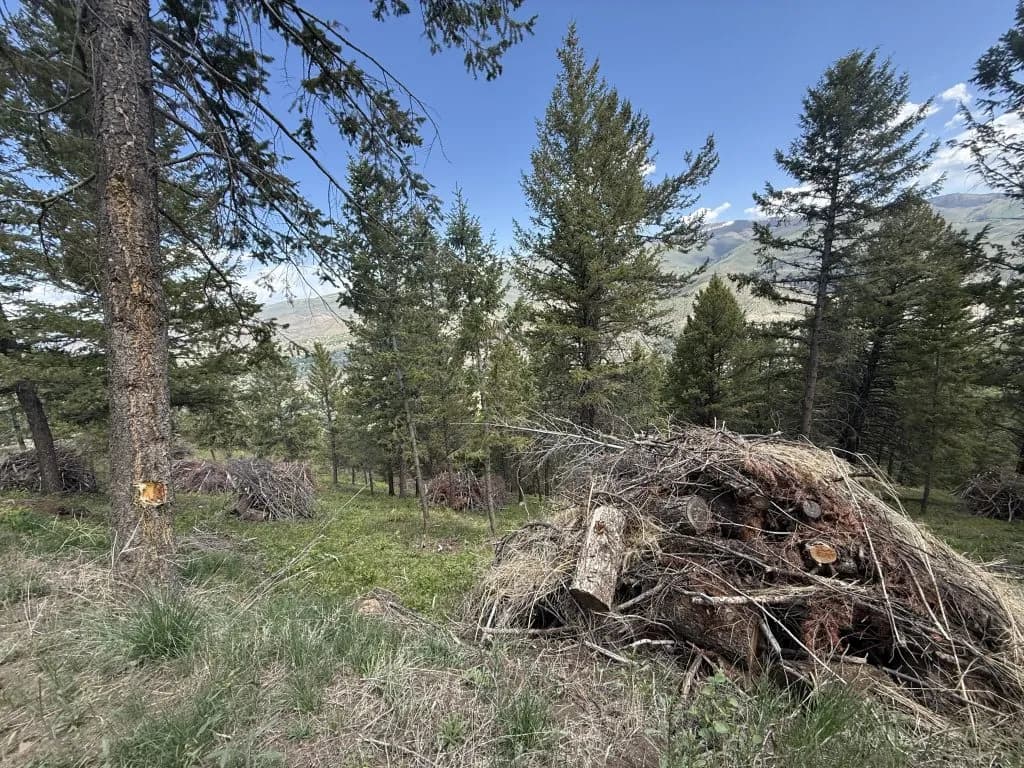
Aspen —Tarn Udall is worried about the snowpack. He’s also worried about the fire season that follows it.
Udall, a senior attorney for Western Resource Advocates, says Colorado is facing "urgent and mounting threats" from drought and destructive wildfire. He isn’t talking about hypotheticals. He’s looking at the landscape around us right now.
In November, voters will decide if we keep the money to fix it.
The measure is Proposition 137, formally titled "Protect Colorado’s Land and Water, Prevent Wildfires." The Aspen Times reported that the proposal redirects excess revenue from the state’s sales tax on sporting goods and outdoor gear. Currently, that money gets refunded to taxpayers under TABOR. If Prop 137 passes, the state keeps it.
The short version: no new taxes. Just keeping money we already pay when we buy skis, bikes, or hiking boots.
Supporters argue this funding is needed now. Udall wrote in an emailed statement that the measure "provides Coloradans the chance to act now and protect the state’s most treasured asset — nature." He emphasized that the plan directs funds to "established, effective state grant programs with strong accountability."
The coalition behind the measure includes Conservation Colorado, The Nature Conservancy, the Trust for Public Land, and Western Resource Advocates. They are betting that neighbors in every valley from the Front Range to the I-70 corridor understand what a dry autumn looks like.
Here is where the money goes if you vote yes:
- 47.5% to Great Outdoors Colorado for land and water conservation.
- 47.5% split between the Colorado Department of Natural Resources and the Colorado State Forest Service for four wildfire mitigation grant programs.
- 2.5% to the Colorado Outdoor Equity Grant Program.
- 2.5% to support outdoor industry job creation through the Colorado Outdoor Recreation Industry Office.
The paper noted that this excess revenue is estimated to generate around $175 million annually. That’s a lot of cash for a state that often complains about its budget while watching forests burn and rivers run low.
The four wildfire programs receiving the bulk of the funding are specific: the Colorado Strategic Wildfire Action program, the Forest Restoration and Wildfire Risk Mitigation program, Healthy Forest Vibrant Communities, and Wildfire Ready Watersheds. These aren’t new ideas. They are existing pipelines for money that currently flows back to taxpayers instead of into the ground.
Money talks, and in this case, it’s talking about who is paying for the fight. The committee to support Proposition 137 has raised and spent around $2.9 million, according to Colorado Secretary of State Aug. 2 campaign finance records cited by the Aspen Times. The vast majority of those contributions came from The Nature Conservancy, Western Resource Advocates’ Action Fund, and The Trust for Public Land.
Read that again. The big conservation groups are bankrolling the campaign. They have a vested interest in seeing this pass. Their grants, their land trusts, and their advocacy depend on stable state funding.
Prop 137 is one of eleven citizen petitions on November’s ballot so far. Three additional measures are still under signature review by the Secretary of State’s office, with a deadline of Sept. 2. One other measure — which would have forced the legislature to spend more on roads, was pulled off the ballot this week after supporters struck a deal with lawmakers.
That road measure is gone. The wildfire and water money is still on the table.
The officials backing Prop 137 aren’t saying this will solve every problem in the state. They’re not promising a permanent end to drought or a guarantee that no more houses will burn down in the foothills. They are promising a mechanism to keep $175 million in state coffers every year, earmarked for the work that needs doing.
Whether that is enough to stop the bleeding in our watersheds and forests is a question voters will have to answer for themselves. The money is there. The question is whether we want to keep it.
Keep up with Aspen
The day's Western Slope news, one email each morning. Free.