Colorado Voters Reject Natural Gas Constitutional Right in Ballot Measure
Colorado voters rejected Amendment 82, which sought to constitutionally protect natural gas access. The measure failed to reach the required 55% threshold, signaling skepticism toward fossil fuel mandates.
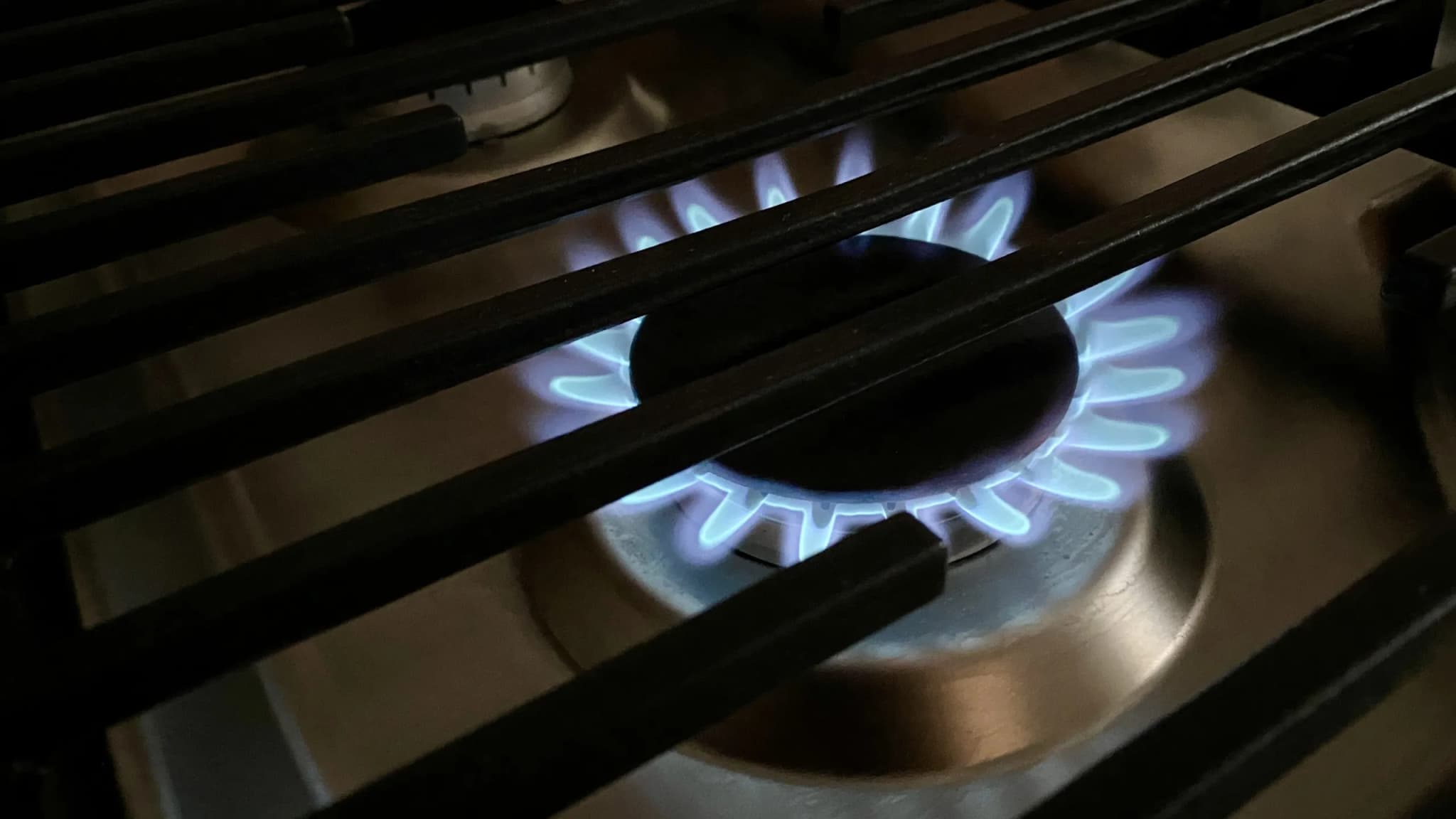
The blue tongue of a gas burner flickers in the dark of an Erie kitchen, a small, steady flame that has warmed generations of Colorado families. It’s a familiar sight, a symbol of domestic comfort that feels almost ancient in its simplicity. But that flame, it turns out, might be fighting for its very survival. And the fight, according to the numbers coming in late Tuesday night, is likely being lost.
There’s a warmth to the idea of a constitutional right to heat your home with fossil fuel, isn’t there? It sounds like common sense, the kind of thing that shouldn’t need a ballot measure to protect. But that’s exactly the trap. The obvious take is that this is a simple defense of household utility against overreaching bureaucrats. Yet, if you look closely at the tally, the narrative crumbles under the weight of voter skepticism. Amendment 82, the proposal to enshrine the right to purchase and distribute natural gas in the state constitution, needed a robust 55% approval to stick. By the stroke of midnight, it was hovering around a meager 46%. Fifty-four percent of the tallied votes were cast against.
The Daily Sentinel reported that this wasn’t just a technicality; it was a referendum on the future of the state’s energy grid. The measure, crafted by Advance Colorado, a conservative nonprofit that keeps its donor list private, argued that "natural gas is under attack." Their pitch was straightforward: more than 70% of Colorado homes already use it, so why not protect that access? They framed it as a shield against local bans, specifically targeting the growing trend of municipalities cutting off new gas lines to encourage electric-only construction.
But the opposition saw a different beast. Conservation Colorado, part of a broader environmental coalition, warned that the amendment "could unleash severe consequences on our communities." They argued that by elevating gas distribution to a constitutional right, the measure would hand "monopoly utilities and gas distributors legal power to challenge vital environmental regulations." In their view, it would tie regulators’ hands, making it nearly impossible to enforce stricter air quality standards or mandate the transition to renewable sources without facing costly lawsuits from corporate entities. Furthermore, they contended that it would force everyday families to bear the hidden costs of maintaining aging pipeline infrastructure — infrastructure that primarily benefits large-scale commercial users like data centers, not the average homeowner.
This tension reflects a deeper fracture in the valley. On one side, you have the oil and gas interests, along with the political groups that fund them, like Colorado Dawn and A Common Sense America, which spent hundreds of thousands to get this on the ballot. They want stability, predictability, and protection for existing investments. On the other side, you have the environmentalists and the progressive political groups, who see natural gas as a transitional fuel that is now becoming a permanent crutch, preventing the necessary leap to a fully electrified, renewable-powered economy.
The irony is palpable. We talk about climate change, about carbon footprints, about the urgent need to decarbonize. And yet, here we are, voting to constitutionally lock in the very fuel that contributes to those emissions. It’s a contradiction that many voters seemed to sense. The fact that the measure fell so far short of the threshold suggests that people didn’t buy the "under attack" narrative. They looked at the reality of rising costs, the environmental concerns, and the potential for corporate overreach, and they decided that the status quo — or rather, the current regulatory framework, was preferable to a constitutional guarantee for the industry.
So, locals will find that the flame keeps burning. The immediate threat of a blanket ban is gone, at least until the next election cycle. But the pressure isn’t off. State utilities are still being required to sharply cut emissions. Local governments are still eyeing new developments with suspicion. The battle has shifted from the ballot box to the courtroom and the legislature. The constitutional shield didn’t materialize, leaving the industry vulnerable to the very challenges it feared.
It’s a reminder that rights aren’t static. They’re negotiated, contested, and sometimes revoked. The right to use natural gas, it seems, was never quite as secure as the advocates wanted us to believe. It was always conditional, dependent on the prevailing political winds and the economic calculus of the times. And right now, those winds are blowing hard against it.
The image that lingers isn’t the triumphant victory lap of the supporters, nor the smug satisfaction of the opponents. It’s the quiet, solitary flame in that Erie kitchen. It’s still there, still warm, still bright. But it’s flickering. And in the silence of the room, you can hear it struggling against the draft. It’s a small light in a big, uncertain world. And for now, it’s all we’ve got.
Keep up with the Western Slope
The day's Western Slope news, one email each morning. Free.