Colorado Wildlife Management Spending Under Scrutiny Amid Commission Changes
The Colorado state government spends $14 million annually on wildlife management, but recent commission changes have sparked debate over the future of conservation efforts in the state.
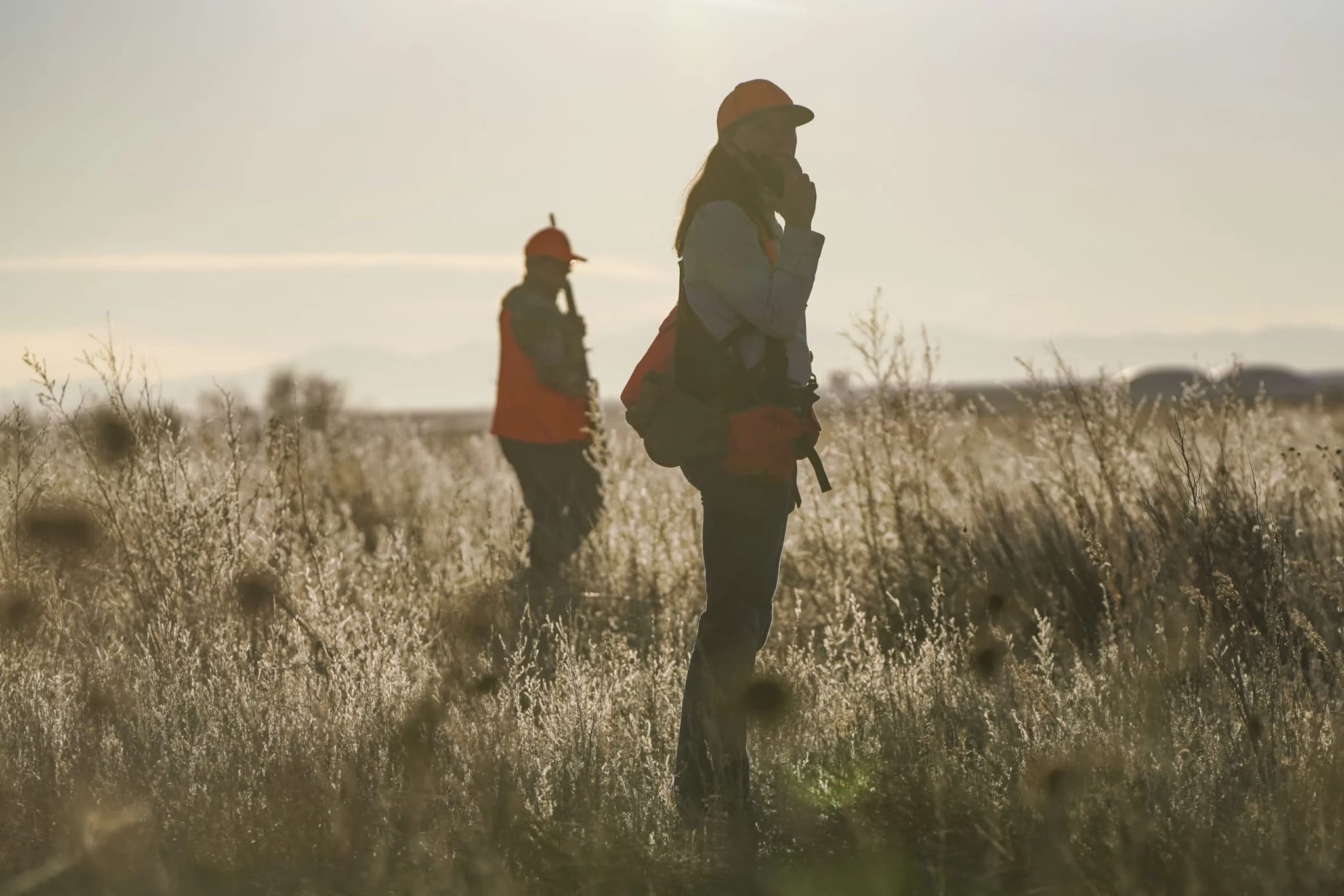
Colorado —$14 million is what the state of Colorado spends annually on wildlife management, a figure that's now under scrutiny as two Colorado Parks and Wildlife commissioners resign and one is confirmed. For context, that's what Delta County spends on road maintenance in a year. The recent shuffle in the commission has sparked debate over the future of conservation efforts in the state.
Let's start with Frances Silva Blayney, a fly-fishing outfitter based in Colorado Springs, who was confirmed to represent hunters, anglers, and outfitters on the commission. Her confirmation came after the Senate Agriculture and Natural Resources Committee voted against recommending John Emerick and Chris Sichko, who subsequently withdrew their nominations.
Jen Clanahan, executive director of the Colorado Nature League, expressed disappointment over the withdrawal of Chris Sichko, a Ph.D. economist with specialized knowledge about the economics of hunting and fishing. Clanahan stated that Sichko met all statutory requirements and was a sportsperson, making his rejection by the hunting community particularly striking. She emphasized that the extreme sentiment against Sichko is a symptom of a larger issue - the biodiversity crisis and its far-reaching impacts on ecosystems.
The controversy surrounding Sichko's appointment and subsequent withdrawal is multifaceted. State Sen. Dylan Roberts, D-Frisco, testified that Sichko was especially unpopular with hunting groups. This unpopularity likely stems from perceptions that Gov. Jared Polis had appointed him to advance an anti-hunting agenda, a claim that Polis' office has not publicly addressed.
On paper, the commission's decisions, such as accepting a petition to ban the sale of wild fur from 17 furbearing species in Colorado, may seem straightforward. However, in practice, these decisions have significant implications for the hunting community and the state's ecosystem. The resignation of Emerick and Sichko has left two seats vacant, and it is unclear when the governor will make new appointments.
For folks around here, the impact of these changes will be felt in the management of local ecosystems and conservation policies. The Colorado Parks and Wildlife commission plays a crucial role in shaping the state's approach to these issues, and the current debate has significant implications for the future of hunting and conservation in Colorado.
In the midst of this controversy, Sen. Janice Marchman, D-Loveland, praised Blayney's work as an angling outfitter, highlighting her enthusiasm for Blayney's confirmation. While this sentiment is encouraging, it does not address the underlying concerns surrounding the commission's direction and the governor's appointments.
The practical bottom line is that the state will need to find replacements for Emerick and Sichko, and these appointments will have a direct impact on the state's conservation efforts. As the state moves forward, it will be essential to consider the perspectives of all stakeholders, including hunting groups, conservation organizations, and local communities. The cost of inaction or mismanagement will be borne by the state's ecosystems and the people who depend on them.
Keep up with Colorado
The day's Western Slope news, one email each morning. Free.
Federal Report Sets 200,000 Acre-Foot Water Conservation Target for Upper Basin
Colorado Parks and Wildlife Deploys Precision Drones for Weed Control