Gallbladder Disease Affects Local Pets
A look into gallbladder and bile duct disease in local pets, its signs, and the importance of early detection and veterinary care.
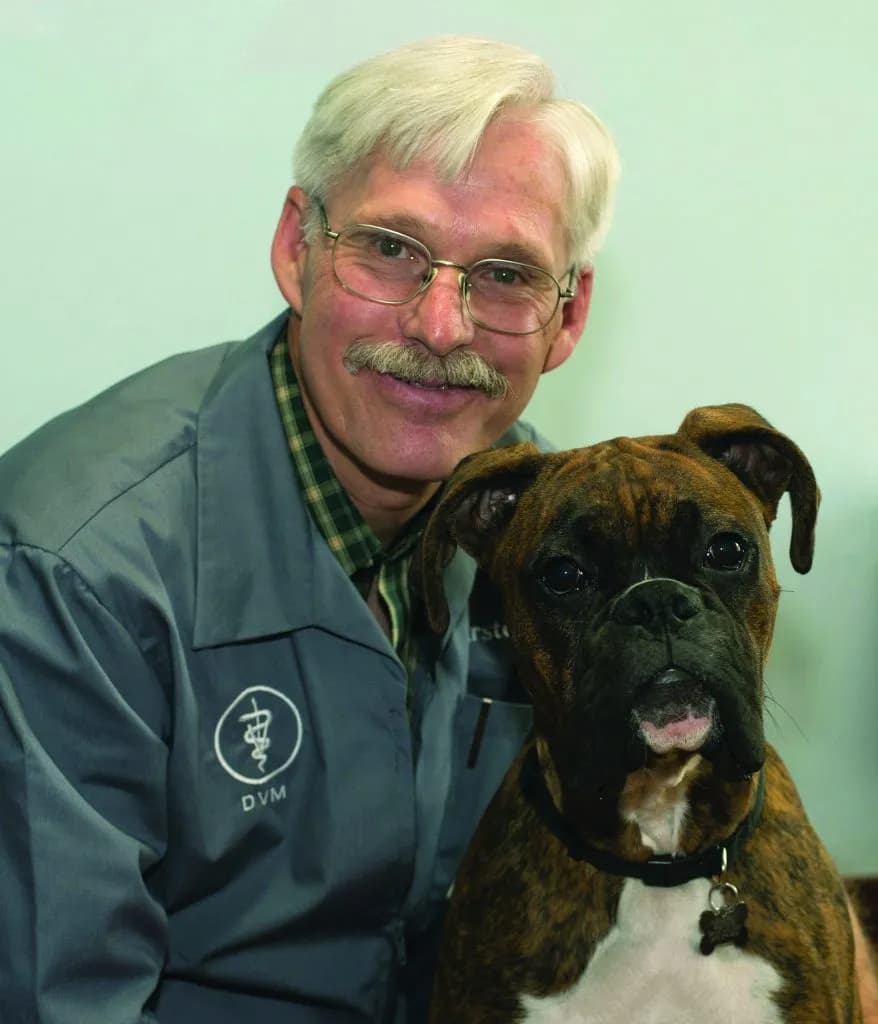
Glenwood Springs —Standing in the waiting room of a local veterinary clinic, the sound of whimpering animals and muted conversations fills the air. A poster on the wall catches the eye - a diagram of a cat's digestive system, with the gallbladder and bile ducts highlighted. It's a reminder that pets, like their owners, can suffer from diseases affecting these vital organs.
Gallbladder and bile duct disease occurs in dogs and cats, albeit less commonly than in humans. Cats are more frequently affected than dogs, with older pets and certain breeds like Chihuahuas, Dachshunds, and miniature schnauzers being more prone to the disease. There's no known breed association in cats.
The gallbladder stores bile, releasing it when fatty foods enter the small intestine. Bile plays a crucial role in neutralizing acidic fluids and emulsifying fats, making them easier to digest. The anatomy of the bile duct differs between cats and dogs - in cats, the bile and pancreatic ducts combine before connecting to the intestine, which may contribute to the higher frequency of disease in felines.
In dogs, the bile duct and two pancreatic ducts have separate connections, potentially reducing the risk of disease. Free flow of bile and pancreatic fluid into the intestine is essential for digestion and gut health. Blockages or reduced flow can cause disease, often resulting from swelling, inflammation, or blockages with stones or mucocele in the gallbladder.
The signs of gallbladder or bile duct disease are vague and can include lethargy, vomiting, diarrhea, loss of appetite, abdominal discomfort, and weight loss. In severe cases, jaundice can occur, indicating a liver and bile problem. These symptoms can be similar to other diseases, making diagnosis challenging.
Locals who've had to deal with gallbladder and bile duct disease in their pets know how devastating it can be. The emotional toll of watching a beloved animal suffer, combined with the financial burden of treatment, is significant. Neighbors who've gone through this experience often stress the importance of being aware of the disease and its signs, as early detection can greatly improve treatment outcomes.
Folks around here are no strangers to the bond between pets and their owners. When a pet falls ill, the whole family is affected. The community comes together to support each other, sharing advice and resources. In the case of disease affecting these organs, understanding their anatomy and functions can help pet owners recognize the signs and seek veterinary care promptly.
Make no mistake, gallbladder and bile duct disease is a serious condition that requires attention from a veterinarian. The short version: if your pet is showing signs of lethargy, vomiting, or loss of appetite, don't hesitate to seek medical attention. Read that again - these symptoms can be indicative of a serious underlying condition.
As people in the valley know, pets are more than just companions - they're part of the family. When they fall ill, prompt action is necessary to ensure the best possible outcome. The financial cost of treatment can be substantial, but for many, it's a small price to pay for the health and well-being of their pet. This will cost taxpayers nothing, but it will cost pet owners - and the community will be watching to see how local veterinary clinics respond to the needs of affected pets.
The community will be looking to local veterinarians for guidance on recognizing the signs of disease affecting the gallbladder and bile ducts. Worth watching: how local pet owners and veterinarians work together to raise awareness about this condition and provide support for affected families.
In the waiting room of that local veterinary clinic, the sound of whimpering animals and muted conversations continues. But now, there's a sense of awareness - a understanding that disease can affect pets, just like their owners, and that recognizing the signs is crucial for prompt treatment.
Keep up with Glenwood Springs
The day's Western Slope news, one email each morning. Free.

Twin Lakes Releases 2,500 Acre-Feet to Save Upper Arkansas River

Glenwood Springs Resident Calls for Active Citizenship Amid AI Data Center Water Threats