US Iran Talks Impact Western Slope Community
The US engages in high-stakes diplomatic talks with Iran, and we explore the potential implications for the Western Slope community, including energy exports and oil prices.
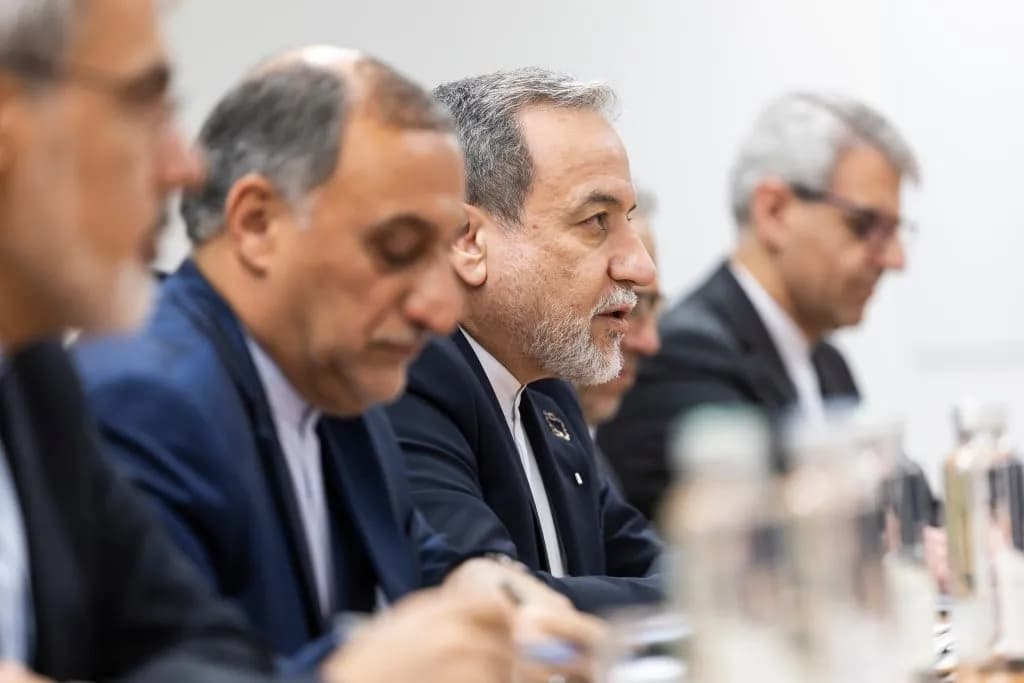
Aspen —What does it mean for our community when the US engages in high-stakes diplomatic talks with Iran, and how might the latest developments impact our daily lives here on the Western Slope? To understand the implications, let's start with the basics: President Donald Trump has sent his envoys, Steve Witkoff and Jared Kushner, to Pakistan for talks with Iran's foreign minister, Abbas Araghchi.
As White House press secretary Karoline Leavitt puts it, "We're hopeful that it will be a productive conversation and hopefully move the ball forward to a deal." The goal of these talks is to find a way to ease tensions between the US and Iran, which have been escalating since the start of the war. The conflict has already had far-reaching consequences, including disruptions to global energy exports and a significant increase in oil prices.
The numbers back that up: the price of Brent crude oil has risen by over 50% since the war began, with prices vacillating between $103 and $107 a barrel. For folks around here, that means higher gas prices and increased costs for goods and services. To put that in perspective, the average price of gas in Colorado is now over $4 a gallon, which is what it costs to fill up a tank in some parts of the state.
The question is whether these talks can lead to a breakthrough. As Leavitt notes, "We've certainly seen some progress from the Iranian side in the last couple of days." However, she didn't offer any details about what US officials were hearing, leaving many to wonder what exactly that progress entails.
It's worth noting that these talks are not the first attempt at diplomacy between the US and Iran. Araghchi and the two Trump envoys held indirect talks in Geneva on February 27, but those discussions ultimately ended without a deal. The next day, Israel and the US started the war against Iran, which has had devastating consequences for the region.
In a separate development, the White House announced that Trump has issued a 90-day extension to the Jones Act waiver, making it easier for non-American vessels to transport oil and natural gas. This move is intended to stabilize energy prices and ease oil and gas shipments to the US. As the White House stated, "New data compiled since the initial waiver was issued revealed that significantly more supply was able to reach US ports faster."
The situation will continue to unfold, and the potential implications for our community will become clearer. For example, how might changes in global energy exports affect our local economy, and what steps can we take to mitigate any negative consequences?
As Leavitt said, the president's team, including Vice President JD Vance and Secretary of State Marco Rubio, are on "standby" to fly to Pakistan if needed. The fact that they're not traveling to Pakistan at this time suggests that the administration is taking a cautious approach to these talks.
In the end, the parties involved must find a way forward. As Araghchi wrote on social media before his trip to Pakistan, he's focused on "bilateral matters and regional developments." The community will be watching closely to see how these talks unfold and what they might mean for our future.
As Leavitt said, "We're hopeful that it will be a productive conversation." The outcome of these talks remains uncertain, but the world is waiting to see what comes next.
Keep up with Aspen
The day's Western Slope news, one email each morning. Free.