Colorado's Silver Boom Secured Statehood and Shaped Aspen
Historians argue that Colorado’s massive silver production, rather than gold, provided the economic power necessary to achieve statehood in 1876 and laid the foundation for modern Aspen.
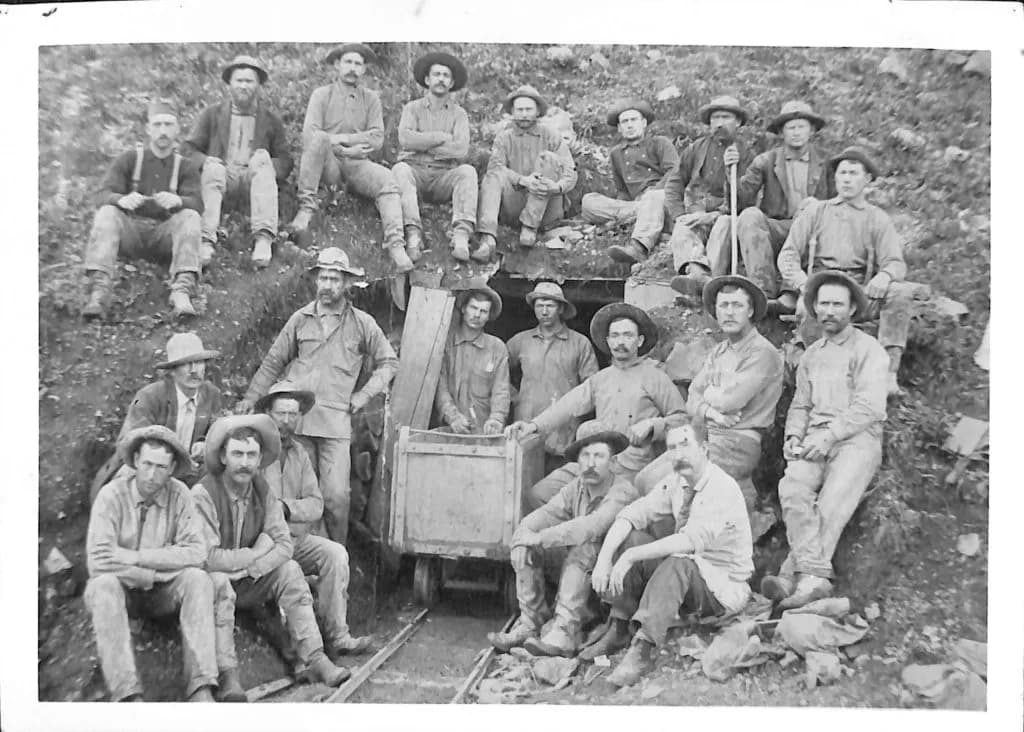
Glenwood Springs —The air in the High Country still carries the metallic tang of old ore, a faint echo of the pickaxes that first broke the earth along the South Platte River in 1858. It is a scent that lingers in the stone facades of downtown Denver and clings to the weathered wood of mountain towns like Aspen, where the history of silver is not just written in archives but etched into the very streets. As Colorado celebrates 150 years since its founding, historians are pointing to that deep, rocky foundation as the reason the state exists at all, arguing that without the relentless drive of miners seeking wealth in the mountains, Colorado might have remained a distant territory.
Lisa Hancock, curator at the Aspen Historical Society, puts it simply: “Colorado wouldn’t even be Colorado without mining.”
While the popular imagination often associates the state with gold — fueled by the tens of thousands of prospectors who flooded into what is now downtown Denver eighteen years before statehood — the historical record tells a different story. Rachel Storm, head of curatorial services and curator of business and industry at History Colorado, notes that the region is “not actually a gold state; we are a silver state.” This distinction was critical. The advent of silver mining generated enough economic power for the region, then just a territory, to pay its share to the federal government, allowing it to join as the nation’s 38th state in 1876. “We almost immediately became a silver territory, and silver is really what got us big enough to even apply for statehood,” Storm said.
The impact of this industry reshaped the cultural and physical landscape of the Western Slope, particularly in Aspen. At the height of silver mining in 1893, Aspen was producing one-sixth of the nation’s silver and one-sixteenth of the world’s silver, according to Hancock. This abundance helped transform Aspen into a prosperous planned community, distinct from its neighbors. “Leadville kind of had the reputation as a Wild West-type of town, whereas Aspen was, from the very beginning, planned streets and laws,” Hancock explained.
Yet, that prosperity was fragile. The silver crash of 1893, spurred by economic shifts and the repeal of the 1890 Silver Purchase Act, shuttered mines across the country overnight. The upheaval threw around 2,000 miners out of work in Pitkin County alone, a sudden silence that must have felt deafening to those who had built their lives around the ore. Despite this, the infrastructure left behind by the boom years paved the way for these mountain towns to evolve. The roads, the buildings, and the community structures established during those heady silver years remain visible today, marking a period that defined the state’s identity.
If you look closely at the historic photographs from 1894, such as the image of a boy and a dog riding in a horse-drawn wagon carrying three large pieces of silver from the Smuggler Mine, you can see the scale of that wealth. Those specific pieces were part of the largest silver nugget ever mined in the U.S., weighing over 1,800 pounds after its removal. It is a heavy, tangible reminder of the era when silver was not just a commodity, but the lifeblood of a growing state.
As we drive through these valleys now, past the restored Victorian facades and the modern ski resorts that have replaced some of the old mines, it is easy to forget the sheer volume of rock and metal that was pulled from this earth. But the legacy of those miners is in the zoning laws, the street grids, and the economic resilience that has allowed towns like Aspen to thrive through multiple booms and busts. The silver may have crashed, but the foundation held firm, securing a place for this corner of Colorado in the union and shaping its future for 150 years to come.
Keep up with Glenwood Springs
The day's Western Slope news, one email each morning. Free.
Aspen's ACES Returns Annual Harvest Party to Rock Bottom Ranch
Glenwood Ghostwalk Brings Frontier History to Life in Linwood Cemetery