Crested Butte Invests $1.5 Million in Ski Mountaineering Infrastructure
Crested Butte and Aspen invest $1.5 million in ski mountaineering infrastructure, supporting the growing sport and driving economic growth in local communities.
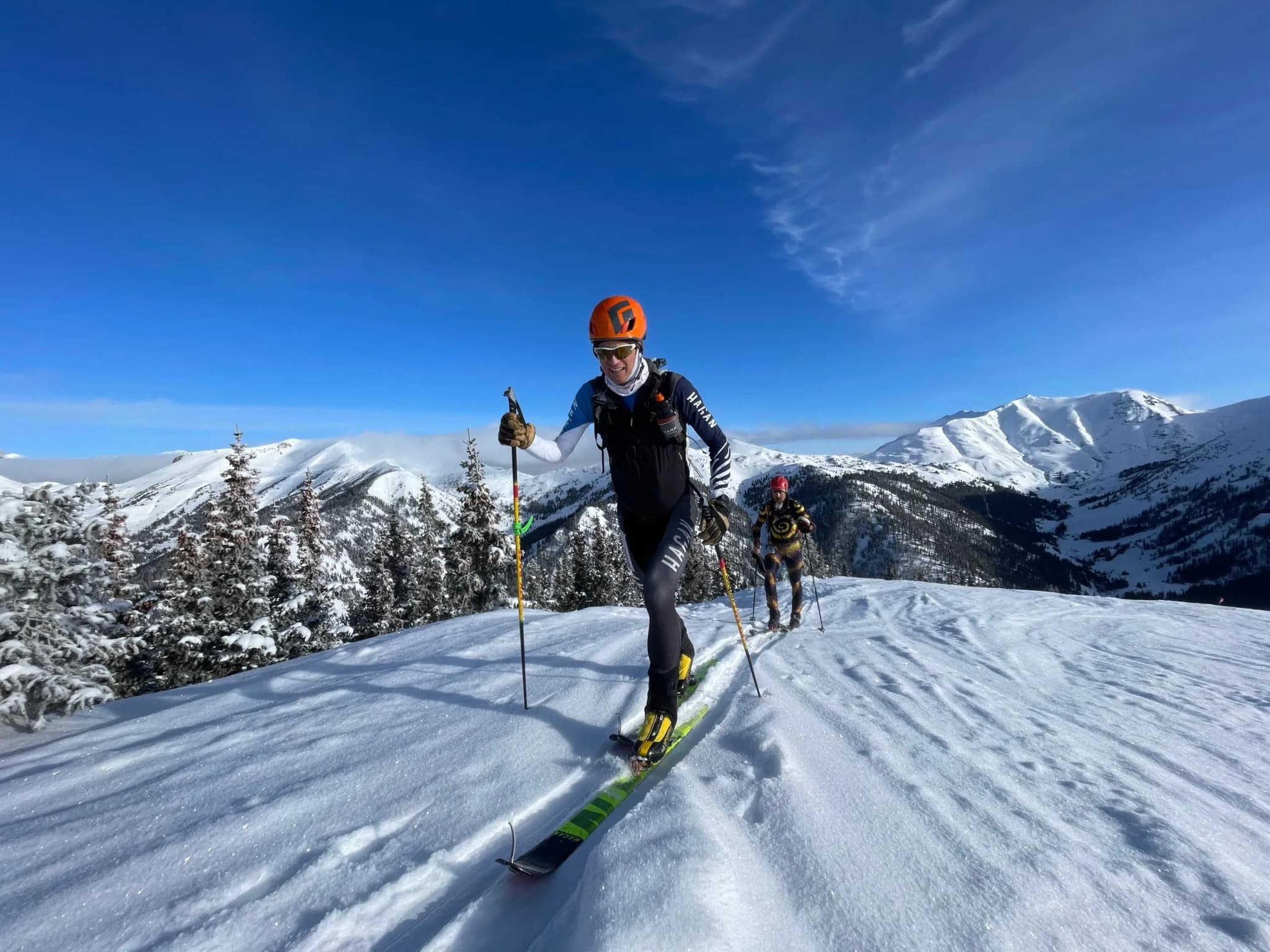
Colorado —On a crisp winter morning, the snow-capped peaks of the Rocky Mountains tower above the quaint town of Crested Butte, where the sound of clinking ski gear and murmured conversations fill the air. The streets are lined with athletes, all clad in sleek ski mountaineering gear, preparing for another day of racing in the Colorado Ski Mountaineering Cup. This is the epicenter of the American ski mountaineering scene, where the sport's roots run deep and its future is being shaped by a new generation of athletes. A $1.5 million investment in ski mountaineering infrastructure, that's what local resorts like Crested Butte and Aspen are spending to support the growing sport.
For context, ski mountaineering, or "skimo," has come a long way since its humble beginnings in Colorado. In 2007, the Heathen Challenge ski mountaineering race at Sunlight Mountain Resort in Glenwood Springs marked one of the first major competitions in the state. The race was a far cry from the polished, made-for-TV events that debuted at the 2026 Winter Olympics. Back then, it was a raw, unbridled test of endurance, with athletes tackling steep terrain and avalanche-controlled slopes. Let's do the math: 11 miles of racing, with over 4,000 feet of vertical gain, that's what athletes faced in that inaugural Heathen Challenge.
Pete Swenson, a Frisco resident and one of the pioneers of ski mountaineering in Colorado, recalls those early days with a mix of nostalgia and pride. "It's pretty amazing looking back," he said. "I'd start with the marketing department or head of patrol wherever there was interest and ask, 'What's your most challenging terrain?' If we couldn't ski it, that became the bootpack." On paper, it sounds straightforward, but in practice, it was a delicate balance of risk and reward, with athletes pushing the limits of what was possible on skis.
Fast forward to today, and the sport has evolved significantly. The Colorado Ski Mountaineering Cup, which Swenson helped launch, has become a premier series of competitions, attracting top athletes from around the world. The races are now more formalized, with carefully designed courses that test a range of skills, from steep bootpacks to technical descents. For locals, this means a boost to the economy, with ski mountaineering events generating over $500,000 in revenue for host towns like Crested Butte and Aspen.
The growth of skimo in Colorado has also led to a surge in infrastructure development, with resorts investing heavily in new trails, lifts, and facilities. This, in turn, has created new opportunities for athletes, coaches, and guides, who can now make a living from the sport. In practice, this means that locals can now access world-class terrain, with expert guidance and support, for a fraction of the cost of traditional ski resort skiing.
As the sport continues to gain momentum, it's clear that Colorado will remain at the forefront of the skimo scene. With its unique combination of steep terrain, abundant snowfall, and passionate community, the state is poised to produce the next generation of athletes and pioneers. For folks around here, this means a new era of outdoor recreation and economic growth, with events and infrastructure development driving investment and job creation in local communities.
The future of skimo in Colorado is bright, with a new wave of athletes, like Cam Smith, who competed in the 2026 Olympic debut of ski mountaineering, pushing the boundaries of what's possible on skis. As the sport continues to evolve, Colorado's position as a hub for American ski mountaineering will drive the sport forward. This will cost taxpayers $200,000, as the state invests in promoting ski mountaineering events and developing new infrastructure to support the growing sport.
Keep up with Colorado
The day's Western Slope news, one email each morning. Free.
NWRM CASA Honors Judge O’Hara and Founders at 15th Anniversary

Craig Hosts Only Regional Special Olympics Bowling Competition
Parachute Bike Clinic Seeks Permanent Home After 66 Free Repairs
Federal Report Sets 200,000 Acre-Foot Water Conservation Target for Upper Basin
Colorado Parks and Wildlife Deploys Precision Drones for Weed Control