Denver Play Explores Foster Care System's Impact on Western Slope Families
A new play in Denver sheds light on the complexities of the foster care system and its effects on families in Western Slope communities, sparking important conversations about support and care.
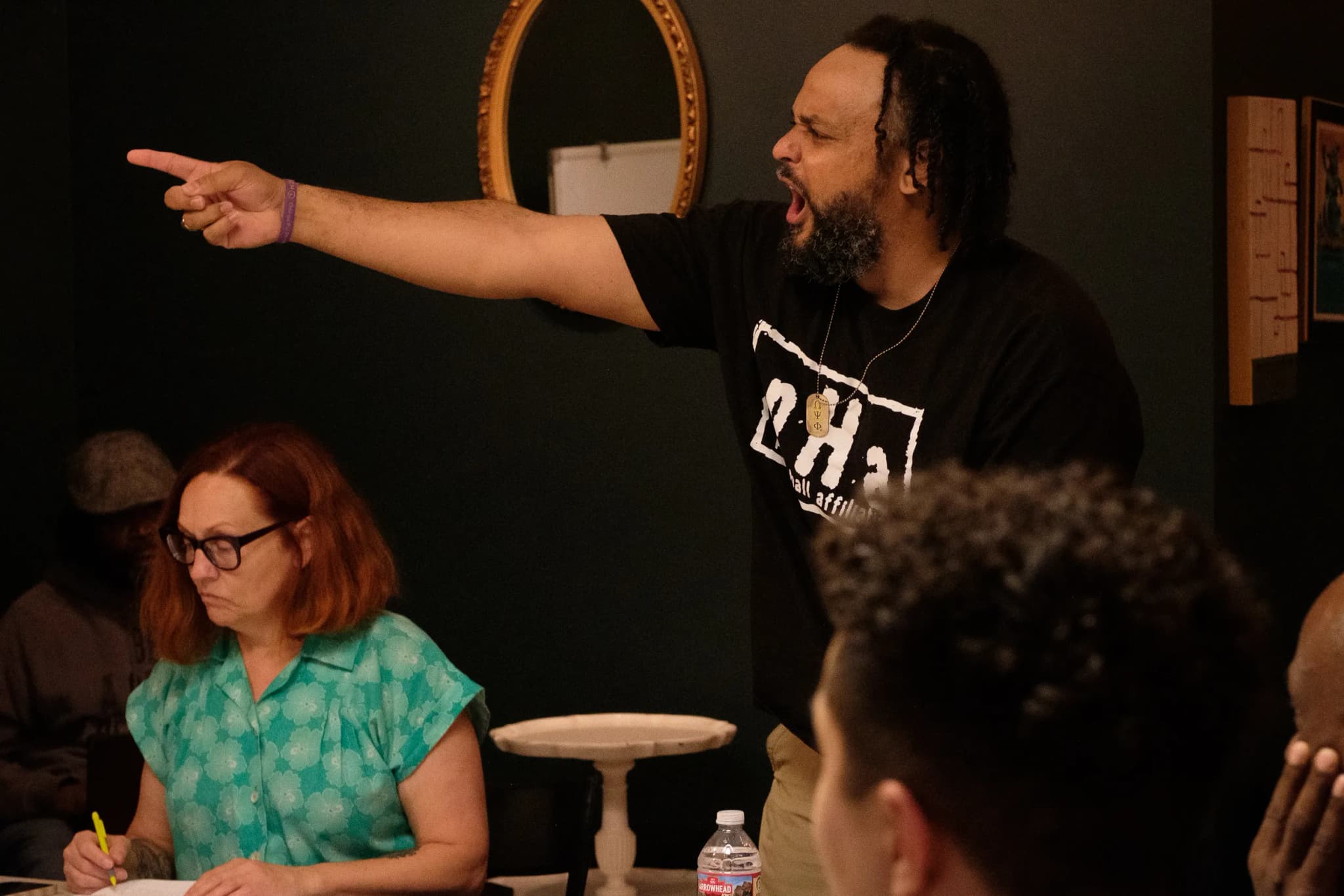
Colorado —What's the real story behind the foster care system that's being portrayed on stage in Denver, and how does it affect families on the Western Slope? The question is on the minds of many locals, especially those who have experienced the system firsthand. Picture this: a teenager, Jayden, living in his fifth foster placement, struggling to find stability and a sense of belonging. This is the story being told in "Crossroads: The Journey of Rebecoming," a three-act play that premiered on April 30 in Denver.
The play's director, Jeffrey Campbell, wants the audience to feel the emotion of the child welfare system, "how cold and indifferent" it can be. He spent time interviewing and studying people who have played roles in the system, from biological parents to caseworkers and judges. The result is a production that takes the audience on a journey through the complexities of care and support, from the courtroom to a foster home and finally to a young adult's journey of self-discovery. Not exactly a straightforward narrative, but one that reflects the challenges faced by families in care.
As the play's characters navigate their circumstances, they encounter moments of tension and conflict, like the heated argument between Jayden's biological father and his foster mother. "You stole my kid!" the father shouts, his body shaking with emotion. The scene is intense, with the caseworker's attempts to calm them down drowned out by the arguing. And that matters because it highlights the difficulties faced by families when they become entangled in the foster care system, where emotions run high and the stakes are personal.
The play is funded by Cobbled Streets, a Colorado nonprofit that supports children in foster care by paying for art classes, sports, and summer camps. The organization's mission is to provide opportunities for these children to thrive, despite the challenges they face in the system. Here's the thing though: the system is complex, and the play doesn't shy away from showing its flaws. The characters are multidimensional, with their own motivations and conflicts, reflecting the real-life complexities of care and support.
For folks around here, the issue of foster care is not just a distant concern, but a local reality. In Delta County, for example, the system serves dozens of children, with many more in need of support. The play's portrayal of the challenges and flaws resonates with locals who have seen the impact on families and children in their community. As one local resident noted, "The foster care system is not just a Denver issue, but a Western Slope issue too."
The play's use of improvisation adds to the sense of realism, making the audience feel like they're experiencing the emotion of the system firsthand. The scene where Jayden's biological father and foster mother argue, for instance, is improvised, with the actors drawing on their own emotions to create a tense and uncomfortable atmosphere. It's a powerful way to convey the complexities of the system, and the impact it has on families and children.
As the play comes to a close, the audience is left with a sense of hope and resilience, as Jayden, now a young adult, finds his voice and his passion as an artist. The image of him creating art, surrounded by the chaos of the system, is a powerful one, and a reminder that even in the darkest moments, there is always a way forward. The play may be set in Denver, but its message resonates with people in the valley, who see the same challenges and complexities in their own community. And that's what makes "Crossroads: The Journey of Rebecoming" a story that needs to be told, and one that will stay with audiences long after the curtain falls.
Keep up with Colorado
The day's Western Slope news, one email each morning. Free.
NWRM CASA Honors Judge O’Hara and Founders at 15th Anniversary
Craig Hosts Only Regional Special Olympics Bowling Competition
Parachute Bike Clinic Seeks Permanent Home After 66 Free Repairs
Federal Report Sets 200,000 Acre-Foot Water Conservation Target for Upper Basin
Colorado Parks and Wildlife Deploys Precision Drones for Weed Control