Colter Backcountry Launches Lightweight Thorofare Net for Steamboat Anglers
Steamboat-based Colter Backcountry releases the Thorofare Net, a 13.3-ounce, foldable fishing net designed to reduce bulk and snagging for remote anglers hiking the Continental Divide.

Steamboat Springs —Colter Backcountry is selling a net for $114.99. It weighs 13.3 ounces. It folds down to fit in a backpack.
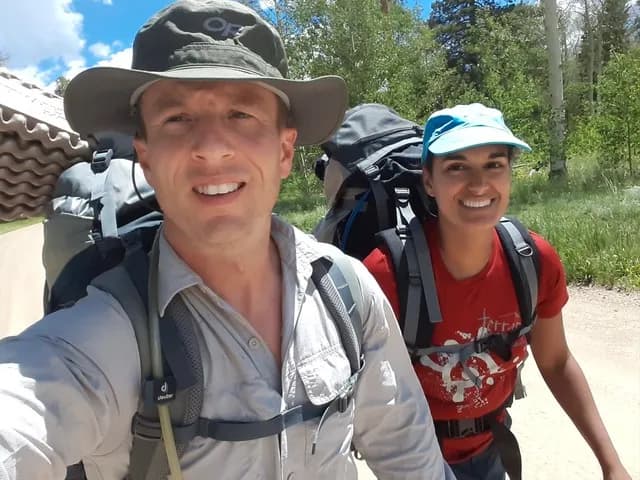
That’s the entire pitch. Two brothers, Patrick and Daniel Bauman, looked at the gear we use to fish remote Colorado waters and decided it was too heavy, too bulky, and too prone to snagging on branches. They didn’t invent fly-fishing. They didn’t even invent the backcountry. They just realized that trying to hike 20 miles to an alpine lake with full-size hip belts and rigid chest rigs is a logistical nightmare for anyone who values their back.
The idea sparked during their trek on the 3,000-mile Continental Divide Trail. Five months on the trail made the problem obvious. Traditional gear works fine if you’re driving to the river and parking your truck. It fails when you’re miles from the nearest road, carrying everything on your back for days.
“There are companies making all sorts of amazing products, but when it comes to trying to fish in areas that are far from a road... that gear doesn’t always work,” Patrick Bauman said.
He’s right. You don’t pack a full-size hip belt into a daypack. You don’t haul heavy waders if you’re already carrying a 40-pound pack. You need gear that breaks down in seconds.
Enter the Thorofare Net. It’s made by Colter Backcountry, a Steamboat Springs-based company named after John Colter of the Lewis & Clark Expedition. The net costs $114.99. It comes in olive green or matte black. It weighs 13.3 ounces. It’s tough enough to land a cutthroat from a remote lake or a brown trout from an isolated canyon. It fits in a mesh bag. It fits in a suitcase.
The company is also offering the Thorofare Clip Kit. It’s a minimalist pack for organizing nippers, forceps, tippet, floatant, leaders, and indicators. It folds to the size of a wallet.
This isn’t a revolution. It’s an optimization. But for folks who spend their weekends hauling gear up steep switchbacks, it’s a necessary one. The Baumans started the company in 2022. They’re just starting out with these two products. They plan to expand as the company grows.
The math is simple. You save weight. You save space. You pay a premium for the convenience. $115 for a net isn’t cheap if you’re buying a basic net at the local outfitter. It’s expensive if you’re comparing it to a $20 plastic net. But if that net saves you two pounds of bulk and prevents you from spending ten minutes untangling a rigid frame from a pine branch, it pays for itself.
The real question isn’t whether the gear works. It’s whether the market is big enough to sustain a small, local manufacturer. Steamboat Springs is a hub for this kind of activity. The demand for lightweight, durable, backcountry-specific gear is there. The Baumans identified a gap in the market that big manufacturers ignored because they were focused on volume, not utility.
Colter Backcountry is betting that anglers will pay for precision. They’re betting that we’d rather carry less and fish better. It’s a small bet. A $115 bet. But it’s a bet on the idea that the future of outdoor gear isn’t about adding more features, it’s about removing the ones that don’t matter when you’re ten miles from a road.
The bottom line? You’re paying for the privilege of not hauling junk. If you fish the backcountry, that’s a fair trade. If you fish the Yampa from the bank, you’re overpaying.
Keep up with Steamboat Springs
The day's Western Slope news, one email each morning. Free.


UCHealth Doctors Offer Back-to-School Health Tips for Steamboat Families
Monsoonal Rain Breaks Colorado High Country Heat Wave