CPW Kills Elusive Wolf After 22 Sheep Lost in Routt County
Colorado Parks and Wildlife killed an uncollared wolf from the Copper Creek Pack in Routt County after it caused 22 sheep losses, ending a months-long siege despite exhausted non-lethal mitigation tools.
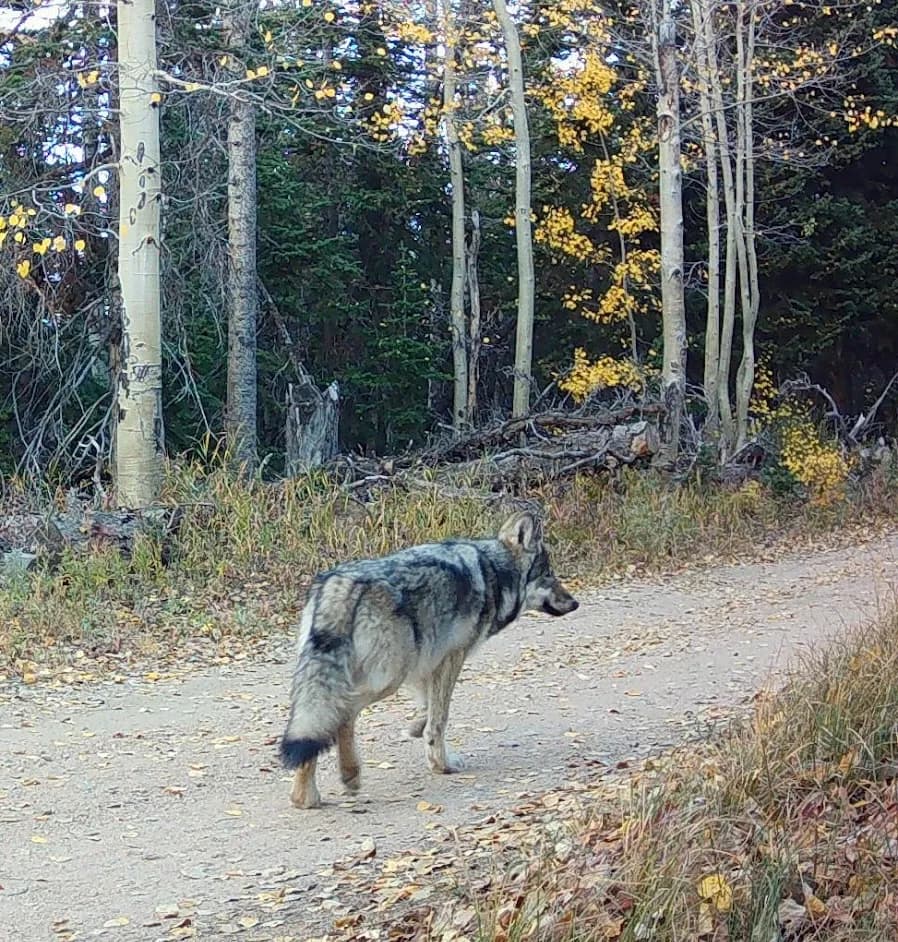
Aspen —The silence of a Routt County pasture after a wolf strike isn’t empty; it’s heavy with the specific, metallic scent of blood and the lingering, confused bleating of the flock. It’s a sound that cuts through the high-altitude quiet, a jarring reminder that the boundary between domesticated livestock and wild predator is thinner than most folks driving down U.S. Highway 40 realize. For years, the narrative around Colorado’s wolf recovery has been one of cautious optimism, of watching the Copper Creek Pack expand its territory like a slow-moving tide. But this week, that tide receded with a snap.
Colorado Parks and Wildlife (CPW) killed an uncollared wolf on Friday, June 12, in Routt County, ending a months-long siege on local sheep producers. This wasn’t just any wolf; it was a specific, elusive individual born to the Copper Creek Pack in the spring of 2024, who had separated from the main group that fall. Since 2025, this single animal has been tied to at least 10 confirmed depredation events involving 22 sheep across both Rio Blanco and Routt counties.
You might assume that with wolves back in the picture, farmers would have adapted, that the old tools of coexistence would have settled into a routine. But the data tells a different, more frustrating story. The beast was most recently linked to two confirmed attacks on June 10 and 11, each taking one lamb. Before that, it had already carved up five lambs and one ewe in the summer of 2025 alone, with attacks recorded on July 20, July 22, August 2, and August 16.
The state’s decision to pull the trigger wasn’t made lightly, nor was it made in a vacuum. CPW consulted with the U.S. Fish and Wildlife Service, operating under the special 10(j) rule that allows for lethal removal when a wolf exhibits "chronic depredation." But here’s the nuance that often gets lost in press releases: the agency didn’t just shoot because the animal was killing sheep. They shot because the sheep were trying everything else.
Laura Clellan, director of Parks and Wildlife, noted that the impacted producers had deployed a full arsenal of non-lethal mitigation tools. We’re talking site assessments, range riders, livestock guardian dogs, and scare devices. We’re talking active human presence from herders and permits for injurious non-lethal hazing techniques. Despite all that effort, the predator kept coming back. It was a persistent, solitary hunter that had proven itself smarter and more stubborn than the deterrents thrown in its path.
There’s a warmth to the idea of coexistence, a romantic notion that humans and wolves can share the landscape if we just give it enough time. But look closely at the timeline. The wolf was shot in August, but its body was never located, meaning it survived that encounter to continue its campaign. It took until June of the following year to finally bring it down. That’s nearly a year of uncertainty for producers who had to watch their numbers dwindle, who had to weigh the cost of guardian dogs against the loss of lambs, who had to wonder if the next attack would be the one that broke their bank.
The state is authorized to remove the wolf under the 10(j) rule if attacks are likely to continue, if it wasn’t lured or baited, and if non-lethal tools have been exhausted. In this case, the evidence was clear. The animal was not just passing through; it was establishing a hunting ground, and it was winning.
As the sun sets over the Elk Mountains, casting long shadows across the grazing lands of Rio Blanco and Routt counties, the question isn’t just about one wolf. It’s about the cost of that resilience. It’s about the producers who now have to account for 22 sheep lost to a single animal’s appetite, and the state officials who had to decide when "enough" non-lethal effort was actually enough. The wolf is dead, the pack is watching, and the pastures are quieter now, but the ledger remains open.
Keep up with Aspen
The day's Western Slope news, one email each morning. Free.