CPW Kills Second One Ear Wolf After Cattle Attacks Persist
Colorado Parks and Wildlife shot a second wolf from the One Ear pack on Sept. 9 after seven new cattle attacks occurred since August, intensifying debate over lethal removal tactics.
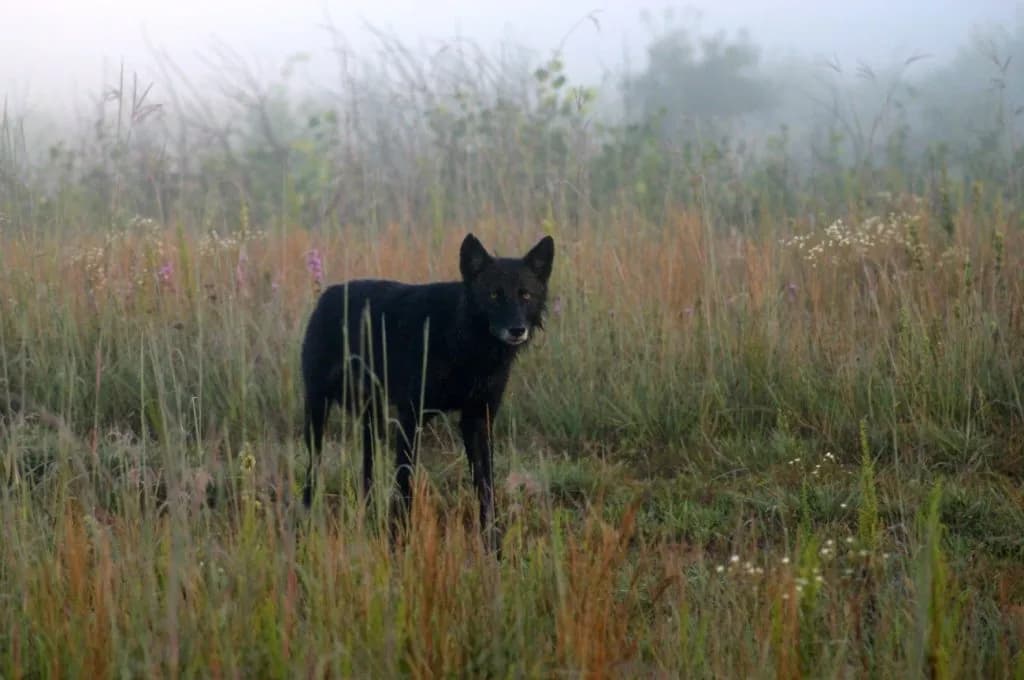
Steamboat Springs —The silence of the open allotments in late summer is a specific kind of quiet. It’s not empty; it’s heavy, broken only by the wind moving through sagebrush and the distant, lowing protest of cattle. Into that silence, on Wednesday, Sept. 9, Colorado Parks and Wildlife sent a bullet into the chest of another yearling from the One Ear wolf pack.
It is easy to look at this and see a simple equation: wolves eat cattle, so the state kills wolves. But that math is broken. The obvious take — that lethal removal solves the problem — collapses when you look at the timeline. The obvious take, that lethal removal solves the problem - collapses when you look at the timeline. CPW killed a female yearling from this same pack on Aug. 4, after the group was tied to four attacks on calves between June 29 and Aug. 1 in Jackson and Grand counties. The agency’s stated goal was behavioral: kill one, change the pack’s habits, save the herd.
It didn’t work.
According to CPW’s news release, since that first shooting in August, the One Ear Pack has been tied to seven additional livestock attacks. Despite cameras, despite range riders, despite the "active human presence" and hazing that CPW said it worked closely with producers to implement, the wolves kept coming back. So they came again on Sept. 9. This is the second wolf from that specific pack killed in a month, and it makes three wolves dead this week alone, following the euthanization of yearlings from the Copper Creek and Three Creeks packs on Monday.
There is a warmth to the agency’s language about "adaptive responses" and "continuous monitoring," but for the producers on these remote, rough-terrain allotments, the reality is starker. CPW Director Laura Clellan told the agency’s Sept. 2 commission meeting that increased wolf movement in summer, combined with livestock spread across open allotments, leads to encounters. She noted that these areas cover tens of thousands of acres and are hard to access, making tools like range riders and game cameras the most effective options. But when those tools fail to stop a pack that has now been hit twice in four weeks, the question shifts from efficacy to strategy.
Wolf and wildlife advocates are already pushing back, concerned not just about the number of lethal removals this year, but about whether killing individual animals is actually managing a population that is growing and spreading. The authority to do this comes from a special 10(j) rule with the U.S. Fish and Wildlife Service, which allows states to manage wolves despite their federal protection status. The rule hinges on a specific definition: a "chronically depredating" wolf is one involved in three or more depredation events in 30 days. If that threshold is met, and if nonlethal methods have been tried, the agency can pull the trigger.
But does killing a yearling, a young wolf that is still learning, still part of the social structure - actually change the behavior of the rest? Or does it just reset a clock that is already ticking toward the next attack? The agency says its efforts are focused on monitoring and adaptive responses now. But for the folks watching their herds from a distance, the silence of those allotments feels less like peace and more like waiting.
The wind picks up again, rustling the dry grass against the fence line where the cameras are mounted. The cattle settle back down, their breath visible in the cooling air, while somewhere out on the ridge, the remaining members of the One Ear Pack watch.
Keep up with Steamboat Springs
The day's Western Slope news, one email each morning. Free.