Craig's Yampa River Holds Ground Despite Historic Low Flows
Despite historic low water levels upstream, Craig's Yampa River remains navigable but slower. Experts warn visitors to adjust expectations, bring extra water, and prepare for a longer, slower float.
Steamboat Springs —The Yampa River isn’t dying. It’s just getting slower.
That’s the counterintuitive truth locals need to hear as summer heat bakes Moffat County. While headlines scream about drought and low snowpack, the river flowing through Craig is holding its ground. Recreation isn’t ending. It’s changing. And if you treat it like a normal year, you’ll get stuck in the mud.
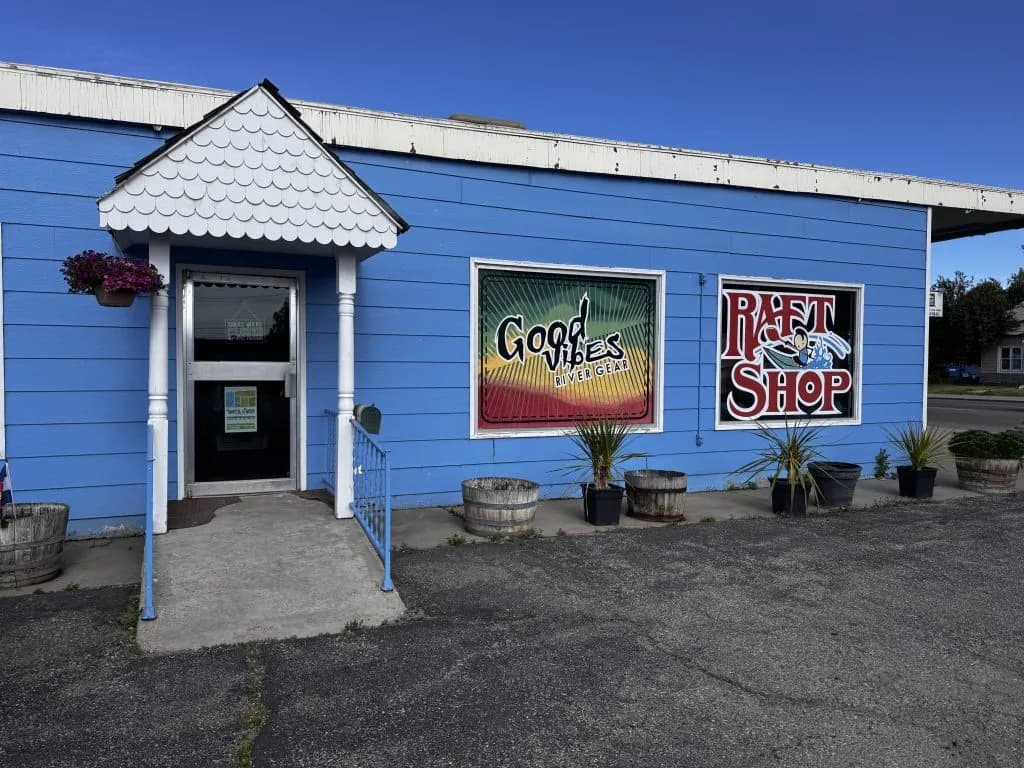
Josh and Maegan Veenstra of Good Vibes River Gear in Craig aren’t selling hope. They’re selling adaptation.
“We’ve had low-water years before,” Josh Veenstra said. “Not like this. This is kind of off-the-charts, next-level. This is breaking all the history books of what’s happening now.”
Make no mistake. The water levels are historic lows. Upstream stretches are drying out fast. Rafting opportunities there are already limited. But Craig? Craig is different.
A combination of water rights, reservoir releases, and local geography keeps this stretch navigable longer than the rest of the system. “I have never heard of them closing the river down here,” Veenstra said. The Craig Press couldn’t independently confirm if officials are discussing restrictions for severe conditions, but the historical precedent is clear: the river stays open.
The problem isn’t access. It’s time.
When flows drop, speed dies. What used to be a quick three-hour float from Pebble Beach to Loudy-Simpson Park now stretches into a five-hour slog. The water moves slower. The current is weaker. You have to work harder to move forward.
This isn’t a suggestion. It’s a physical reality.
Veenstra warns that visitors often pack for a party, not a survival mission. They bring beverages. They bring coolers. They forget the jug of water.
“People like to bring beverages,” Veenstra said. “But not a jug of water.”
That’s a mistake. The sun hits harder when the water is shallow. The trip takes longer. You burn more calories. You dehydrate faster. Bring more water than you think you need. Wear sun-protective clothing. Plan for the slow grind.
The optimism Veenstra offers isn’t blind faith. It’s based on the fact that the Yampa has survived worse. The infrastructure — water rights and releases — has kept this specific corridor alive while upstream sections turned to dust. But that advantage comes with a cost: patience.
Locals know the Yampa. Visitors often don’t. They show up expecting the rushing whitewater of a high-snowpack year. They get a lazy, extended drift. If they aren’t prepared for the shift, they’ll complain. If they are, they’ll enjoy a quieter, more deliberate experience.
The short version? The river is still there. It’s just tired.
Don’t let the headlines convince you the season is over. Just adjust your expectations. Bring extra water. Leave the rush behind. And for God’s sake, stop treating a five-hour float like a three-hour cruise.
The water levels will continue to drop through the summer. The Veenstras are ready. The question is whether the rest of us are.
Keep up with Steamboat Springs
The day's Western Slope news, one email each morning. Free.

Stanford and MD Anderson Studies Target Single Receptor to Reverse Aging
Tribal members bless Mount Blue Sky summit for Colorado sesquicentennial