Crested Butte Chef Pivots Menu After Hotchkiss Freeze Wipes Out Tomatoes
Chef John Leonardi re-engineered his Soupçon menu after a Hotchkiss freeze wiped out tomato crops. By pivoting to peppers and supporting affected farms, he secured future produce while navigating unpredictable local agriculture.
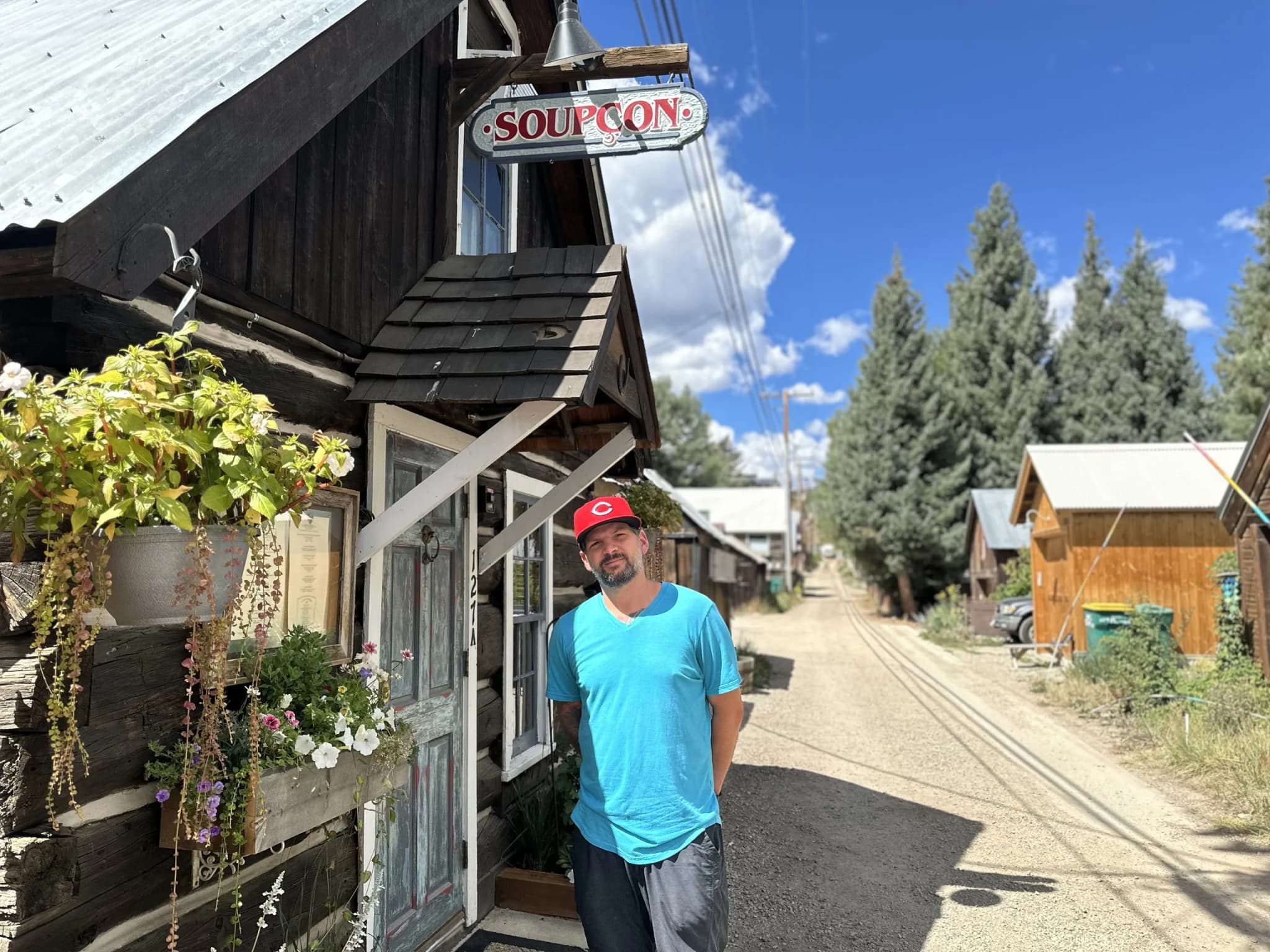
Crested Butte —Crested Butte, 7:00 AM. The air is sharp enough to sting your cheeks. Chef John Leonardi stands in the driver’s seat of his truck, staring at the windshield wipers as they beat against a light drizzle. He isn’t looking at the road. He’s thinking about tomatoes. Specifically, the fact that he doesn’t have any.
The obvious take on the Western Slope food scene is that it’s fragile. One bad freeze, one drought, and the menu falls apart. But that’s not quite right. The system isn’t breaking; it’s just refusing to be predictable. And that matters because the most resilient ingredient in any kitchen isn’t the produce. It’s the relationship.
Leonardi runs Soupçon, a nine-table restaurant tucked into a mining cabin in a downtown alley. It’s not a grand operation. But last summer, he made a trip to Hotchkiss that changed his outlook. He stopped by Thistle Whistle Farm, where Mark Waltermire has grown specialty produce since 2006. Waltermire is known for his heirloom varieties, the kind that chefs fight over. So when Leonardi arrived, expecting a haul of reds and yellows, he got a different reality.
“Mark said nonchalantly, ‘there’s no tomatoes this year. Something happened, and I don’t think I have a single live plant in my entire farm,’” Leonardi recalled. “But then he said, ‘I got peppers.’”
It was a small pivot. Waltermire was experimenting with Manganji peppers, a Japanese variety with a tender, sweet profile. Leonardi bought them. Then he drove back to Crested Butte to figure out how to cook with them. Not as a substitute for tomatoes, but as their own thing. This is the part everyone skips past: the chef doesn’t just swap ingredients. He re-engineers the dish.
This flexibility extends beyond Waltermire. About six miles west of Thistle Whistle, Ela Family Farms lost its entire fruit crop to a mid-April freeze. Cherries, peaches, nectarines — all gone. The family pivoted to heirloom tomatoes in high tunnels. Leonardi didn’t hesitate. He started buying them. Why? Because he wants apples next fall.
“It’s like with Mark, ‘What do we need to do in order to keep them in business?’” he said. “Next year, I still want apples, so what do I do to support them now so I can get apples next year?”
It’s a transactional kindness. Buy the tomatoes today, secure the apples tomorrow. It’s not charity. It’s investment. And it works because both sides understand the risk. The farmer knows the weather is a gamble. The chef knows the menu is a moving target. The customer? They just eat.
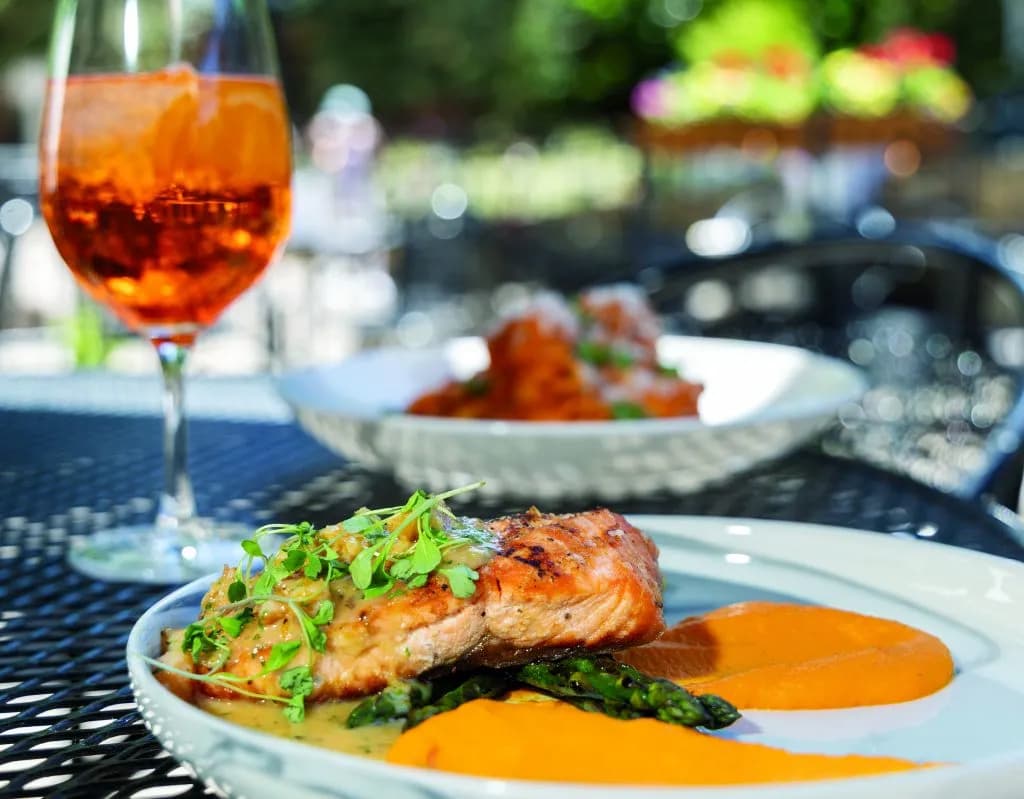
Back in the cabin, the first service is starting. The kitchen is quiet except for the hiss of oil and the scrape of metal. Leonardi plates a dish with a pepper-based sauce, bright and sharp. He steps out to check the dining room. The tables are filling. No one complains about the lack of tomatoes. They just taste what’s there.
Outside, the rain stops. The sun breaks through, hitting the wet streets. The light is hard and white. Leonardi watches it from the window. He doesn’t smile. He just stands there, hands in his pockets, watching the light move across the pavement. The menu is set. The food is real. The future is uncertain. But for now, the plate is full.
Keep up with Crested Butte
The day's Western Slope news, one email each morning. Free.