Crested Butte Swaps Propane for Hydrogen in New Avalanche Systems
Crested Butte Mountain Resort installed five permanent hydrogen-based remote avalanche control systems on Sept. 2, replacing propane technology to reduce maintenance costs and improve safety in high-risk zones.
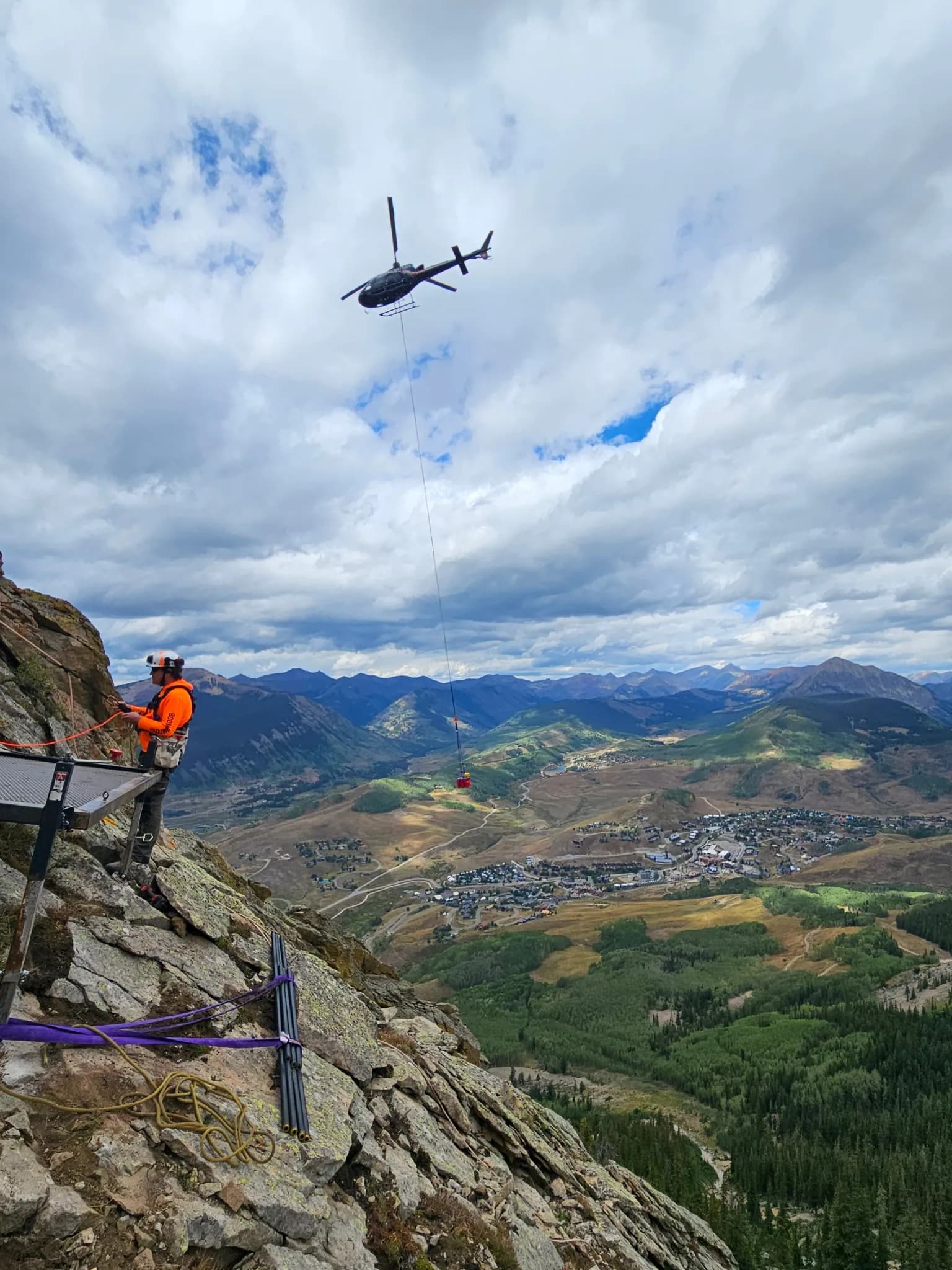
Crested Butte —Crested Butte Mountain Resort now has five permanent remote avalanche control systems installed on its slopes.
The change marks a shift from propane to hydrogen for triggering slides in high-risk zones above the ski area.
Eric Bressler, who lives outside Jackson, Wyoming, led the installation. His company, Alpine Infrastructure, created the new "Boom Whoosh" system. On Sept. 2, Bressler’s team used A-Star helicopters based in Montrose to drop 32 loads for the new infrastructure.
The installations are not scattered randomly. Three hydrogen gas exploders sit in the Hall of Fame zone above the Banana Couloir on the frontside. Two more are positioned in the Tower 11 zone on the backside. It is one of the largest single investments in avalanche mitigation in the history of the 65-year-old ski area.
The Colorado Sun reported on the transition, noting that avalanche mitigation has evolved significantly in the last decade. The process moved from World War II-era howitzer cannons and bomb-dropping helicopters to remote-control systems. Those current systems usually rely on propane or drop explosives from steel towers.
Propane has a flaw. It does not flow easily uphill in cold temperatures. That makes maintenance tricky and expensive. The popular Swiss-based Wyssen systems require helicopters to refill slide-triggering bombs from steel towers erected above hanging snowfields. Bressler has worked on Wyssen and Gazex systems for years at Red Mountain and Loveland passes. He praised those companies, saying it is hard to come up with any criticism of them.
But he saw the problem while trudging across avalanche slopes or riding helicopters to work on remote systems. In 2021, while working above U.S. Highway 550 on Red Mountain Pass, Bressler started thinking of upgrades.
“I thought if we could find a way to push gas uphill, we could remove the need for ongoing maintenance and support in almost every case,” Bressler said.
His solution uses a blend of hydrogen and oxygen to create the explosion. He calls it "Boom Whoosh" because the hydrogen-oxygen mix goes "boom." The system promises to be safer, more efficient, less costly, and more environmentally friendly than the propane-based alternatives currently in use.
The shift matters for locals who rely on the ski area and nearby roads. Avalanche mitigation is not just about saving skiers. It protects highways and property from catastrophic slides that bury infrastructure when snow piles too deep.
Bressler’s team installed the same system at Park City Mountain Resort in the spring of 2025. The Crested Butte installation is the next step for that technology in Colorado.
The resort did not release specific cost figures for the new systems, but Bressler claims the hydrogen approach reduces ongoing maintenance needs. That is a significant difference from propane systems that require constant refilling and adjustment in sub-zero temperatures.
The Hall of Fame zone above the Banana Couloir is a known hotspot for avalanches. The Tower 11 zone on the backside presents similar risks. Placing permanent, remote-controlled exploders in these specific areas targets the terrain that has historically caused problems.
No new steel towers are required for the hydrogen systems in these zones, according to the description of the technology. The exploders are permanent installations triggered remotely.
The transition from propane to hydrogen is a technical fix for a physical problem: gas flow in cold air. It removes the need for helicopters to frequently visit remote, high-elevation sites just to refill tanks or check equipment.
For the people who work on the mountain, it means fewer high-risk jobs in deep snow and bitter cold. For the resort, it means a more reliable method for controlling slides before they reach the pistes or the highway.
The 32 loads dropped by A-Star helicopters on Sept. 2 were the final step in placing the hardware. The system is now in place for the upcoming winter season.
Bressler’s Alpine Infrastructure company launched last year to handle this specific type of remote avalanche control. The Crested Butte project is a major early deployment for the firm in Colorado.
The French Gazex and O’Bellx exploders have been standard for years. They use consistent compressed-gas explosions to trigger multiple slides. But they rely on propane. The new system replaces that fuel with hydrogen and oxygen.
The result is a cleaner, more reliable trigger mechanism for the most dangerous terrain on the mountain.
Keep up with Crested Butte
The day's Western Slope news, one email each morning. Free.