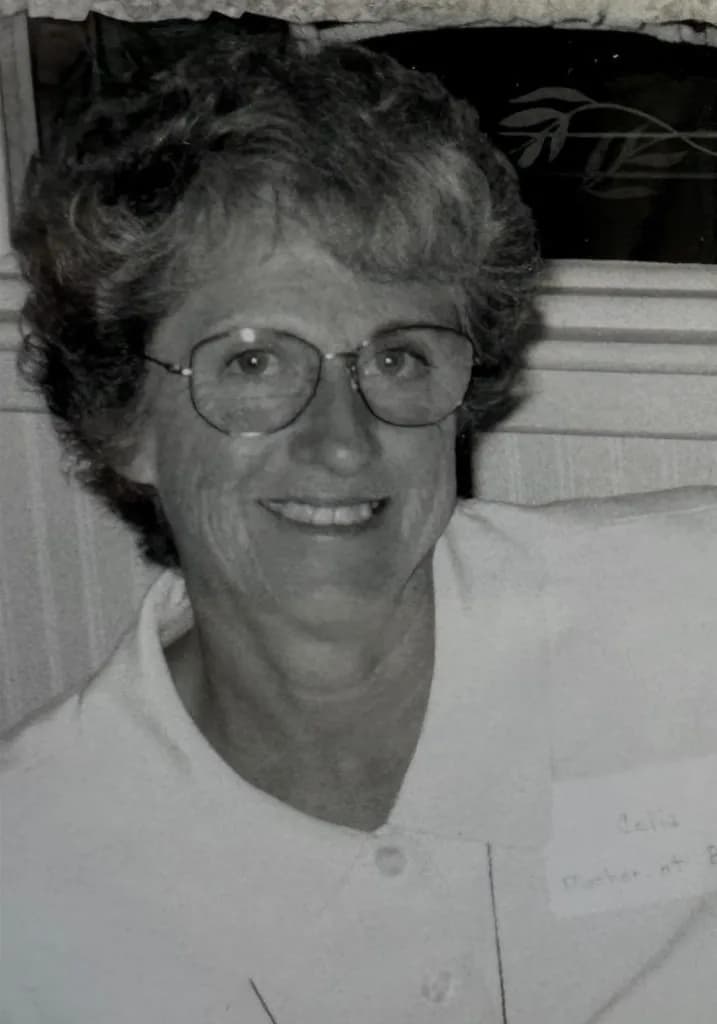
Dennison Pitches Business Experience to Fix Cost of Living in Colorado’s 2nd District
Businesswoman Dennison runs for Congress in Colorado’s 2nd District, promising to tackle high housing and energy costs by cutting federal regulations and overhead.

Aspen —The wind off the Grand Mesa doesn’t just blow; it cuts. It strips the warmth from your bones before you’ve even finished your morning coffee. That’s the reality for folks living out along Highway 6 and 6E, where the commute to Glenwood Springs or the drive to the airport feels longer every time gas prices tick up another dime. It’s a landscape defined by high stakes and higher costs, where the gap between what you earn and what you need to stay in your home is widening.
Into that mix steps Dennison, running for Congress in Colorado’s 2nd District, with a pitch that’s less about political theater and more about the ledger.
"I’ve grown increasingly frustrated watching Washington become more focused on partisan gamesmanship than solving real problems," Dennison writes in a recent opinion piece. "Families, workers, retirees and small business owners across Colorado are facing challenges that politicians love to talk about but rarely address."
The question is whether voters in the valley care more about the "partisan gamesmanship" critique or the specific promises attached to it. Dennison isn’t a career politician. She’s a businesswoman. And she’s arguing that her experience managing budgets and navigating regulatory hurdles gives her a leg up on the careerists in D.C.
"I’m not a career politician," she says. "I’m a businesswoman, a community advocate and someone who believes public service should be about serving people, not advancing political careers."
It’s a clean, simple argument. But in a district that spans from the Roaring Fork Valley down to the Gunnison Basin, "simple" doesn’t always mean "electable." The challenges she lists are the same ones keeping locals awake at night. Housing is unaffordable. Energy costs are high. Small businesses are drowning in red tape.
"Throughout Colorado’s 2nd Congressional District, I hear the same concerns again and again," Dennison notes. "The cost of living continues to rise. Housing has become increasingly unaffordable. Energy costs remain high. Small businesses face growing regulatory burdens."
She wants to fix it by cutting the federal government’s overhead. Her top priority is "restoring affordability." But she’s quick to add a caveat that matters to the pragmatic voter: the feds can’t fix everything. They just need to stop making it worse.
"Congress should focus on responsible spending, reducing unnecessary regulations, encouraging domestic energy production and creating an environment where businesses can grow, hire and invest in their communities," she writes.
This is where the business angle comes in. Dennison argues that the people making decisions in Washington need to have actually created jobs, not just talked about them. She’s seen the inflation squeeze. She’s seen the labor shortages. She’s seen how excessive regulation eats into margins.
"As a business owner, I understand the challenges employers face," she says. "I’ve seen firsthand how inflation, labor shortages, excessive regulations and rising operating costs affect both businesses and consumers."
The data supports her claim. When operating costs rise, prices rise. When regulations pile up, hiring slows. It’s basic economics, but it’s often lost in the noise of national politics. Dennison is betting that locals will reward her for treating it like basic economics rather than a political talking point.
But it’s not just about money. It’s about the land and the schools.
Dennison takes a moderate stance on conservation, arguing for "practical stewardship" that balances environmental protection with economic needs. She wants to protect public lands and forests, but she also wants to support the industries and workers who drive the local economy. No radical bans, no unchecked development. Just balance.
Education is next. She wants parents to have a "meaningful voice" and students to get practical outcomes, whether that’s college, trade school, or the military. It’s a broad brush, but it’s one that resonates with families in Basalt, Carbondale, and Glenwood.
"Parents deserve a meaningful voice in their children’s education," she writes. "And students deserve opportunities that prepare them for success, whether they choose college, trade schools, military service, or careers in the workforce."
Public safety rounds out the platform. Strong communities need safe neighborhoods and well-supported first responders. It’s a promise that sounds like common sense, which is exactly why it’s often overlooked until a crisis hits.
"Strong communities depend on safe neighborhoods, effective law enforcement and support for first responders," Dennison says. "We owe it to our communities to ensure those who protect us have the resources and support they need to do their jobs effectively."
The core of her campaign, however, is accessibility. She wants to be someone who listens. Someone who works with anyone, regardless of party, if the goal is genuine improvement.
"Most importantly, I believe elected officials should remember who they work for," she writes. "The people of Colorado’s 2nd District deserve a representative who listens, remains accessible and is willing to work with anyone who shares a genuine desire to improve the lives of the people we serve."
It’s a lot of promises for one term. But Dennison isn’t running to advance her own career. She’s running to fix the ledger. And for neighbors who are tired of watching their purchasing power evaporate, that’s a compelling story.
"This campaign isn’t about po[olitical careers]," she concludes. "It’s about serving people."
Keep up with Aspen
The day's Western Slope news, one email each morning. Free.