Denver Author Daniel Ginsberg Exposes Child Smuggling in Trilogy Finale
Denver author and former Army MP Daniel Ginsberg discusses his final Banty Conners book, A Well Too Full, which explores international child smuggling and the cost of silence.
Colorado —“People who do not speak out against evil become complicit to that evil.”
That’s Daniel Ginsberg’s thesis for the final installment of his Banty Conners Trilogy. It’s a heavy lift for a local author to ask of his neighbors, but he’s not asking for a donation. He’s asking for attention.
Ginsberg lives in Denver. He writes. He walks his dog, Brewzer. He’s not a politician spinning a press release about the economy. He’s a former Army military policeman and criminal photographer who decided to dig into the mechanics of human trafficking.
The book is called A Well Too Full. It ends the trilogy. It focuses on international child smuggling. It’s about greed. It’s about the kind of greed that turns a human infant into a commodity on a global ledger.
Ginsberg didn’t invent this. He based the story on two true events that happened sixty years apart on different continents. He layered that history with his own time working with Army Criminal Investigations in Asia. The result is a narrative that feels less like fiction and more like a case file you’re not supposed to see.
The excerpt he chose for the Colorado Sun’s SunLit feature lands right in the middle of the book. It’s not the climax. It’s the pivot. It gives readers the backstory they need to understand why Detective Banty Conners and her partner, Phil Berman, are suddenly in over their heads.
Conners is an SVU detective. She and Berman spot an anomaly in the young children on Manhattan’s Upper Eastside. It’s a small detail. A glitch in the pattern. But it costs them their lives. Gunned down. Just like that.
The story moves from the polished streets of New York to the gritty reality of trafficking rings. Ginsberg wanted to show what happens when you take a detective out of her comfort zone and drop her into the deep end.
Writing the trilogy became personal for him. He’s a father. He looked at the data on child smuggling and realized it’s not just happening “over there.” It’s happening here. It’s profitable. It’s pervasive.
The biggest challenge wasn’t the plot. It was the emotion. He had to write from the perspective of the unethical characters. The bad guys. The ones who make it easy to dismiss the crime because they’re monsters. Ginsberg found it hard to keep them on the page. There were moments he wanted to make them disappear.
He didn’t.
He wants readers to understand the cost of silence. That’s the core message. If you don’t speak out, you’re part of the problem. It’s a simple concept. It’s often ignored.
Ginsberg’s background helps. He’s a biologist with a master’s in reproductive physiology. He’s a photographer who captured crime scenes in Asia. He’s a fashion photographer who knows how to frame a shot. He’s a writer who knows how to frame a story.
The book is the third and final act. The anomaly has been found. The partners are dead. The smuggling ring is exposed. The question now is what the reader does with that information.
Ginsberg doesn’t offer a neat bow. He doesn’t promise that justice is served in every case. He just presents the facts. The greed. The violence. The complicity.
It’s a heavy read for a Tuesday afternoon. It’s heavier than the typical mystery novel. But it’s necessary.
The Colorado Sun features this as part of its weekly SunLit series, highlighting local authors and their work. It’s a way to keep the literary conversation grounded in the community. Ginsberg is one of us. He lives in Denver. He writes for us.
The excerpt is available at coloradosun.com/sunlit. Read it. Then look at the news. Scan the headlines about missing children. Check the trade deals. See if you can spot the anomaly.
Keep up with Colorado
The day's Western Slope news, one email each morning. Free.
NWRM CASA Honors Judge O’Hara and Founders at 15th Anniversary

Craig Hosts Only Regional Special Olympics Bowling Competition
Parachute Bike Clinic Seeks Permanent Home After 66 Free Repairs
Federal Report Sets 200,000 Acre-Foot Water Conservation Target for Upper Basin
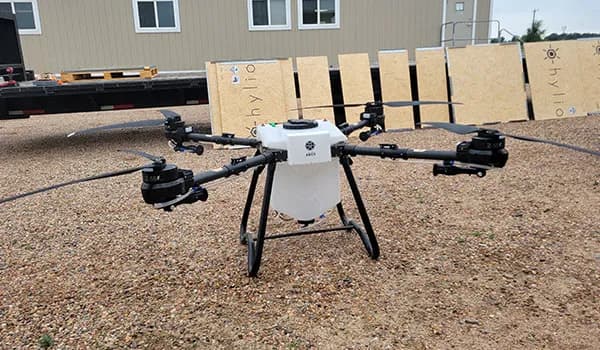
Colorado Parks and Wildlife Deploys Precision Drones for Weed Control