Denver Forms 26-Member Group to Shape Data Center Rules
Denver Mayor Mike Johnston unveiled a 26-member working group to decide data center regulations, following a one-year building moratorium and intense opposition from Elyria-Swansea residents.
"It will be Denver, not corporations, that decide if and how data centers may operate in our city."
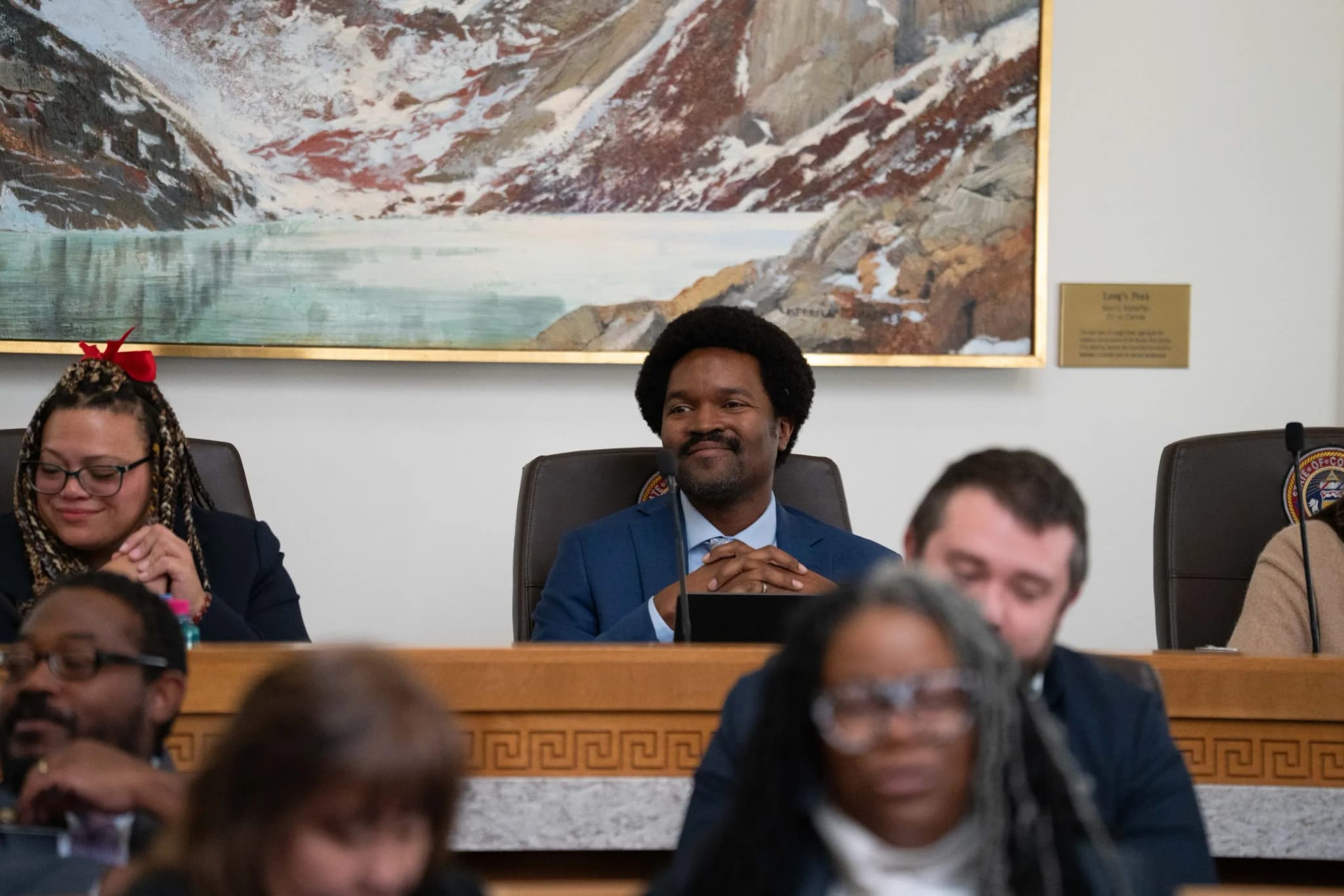
That was the promise made by Mayor Mike Johnston on Wednesday, as he and the City Council unveiled a 26-member "working group" tasked with shaping the future of data centers in Denver. The announcement lands against a backdrop of a one-year building moratorium that took effect in May, a pause designed to give the city time to breathe while residents in neighborhoods like Elyria-Swansea push back against massive infrastructure projects.
To hear them tell it, the goal is to ensure that local voices, rather than outside developers, hold the pen when writing the rules for these energy-hungry facilities. The working group is a mix of citizens, experts, and industry representatives, with meetings starting October 9 and streamed publicly. More than 250 people expressed interest in joining the panel, but the final list was narrowed to a diverse set of stakeholders.
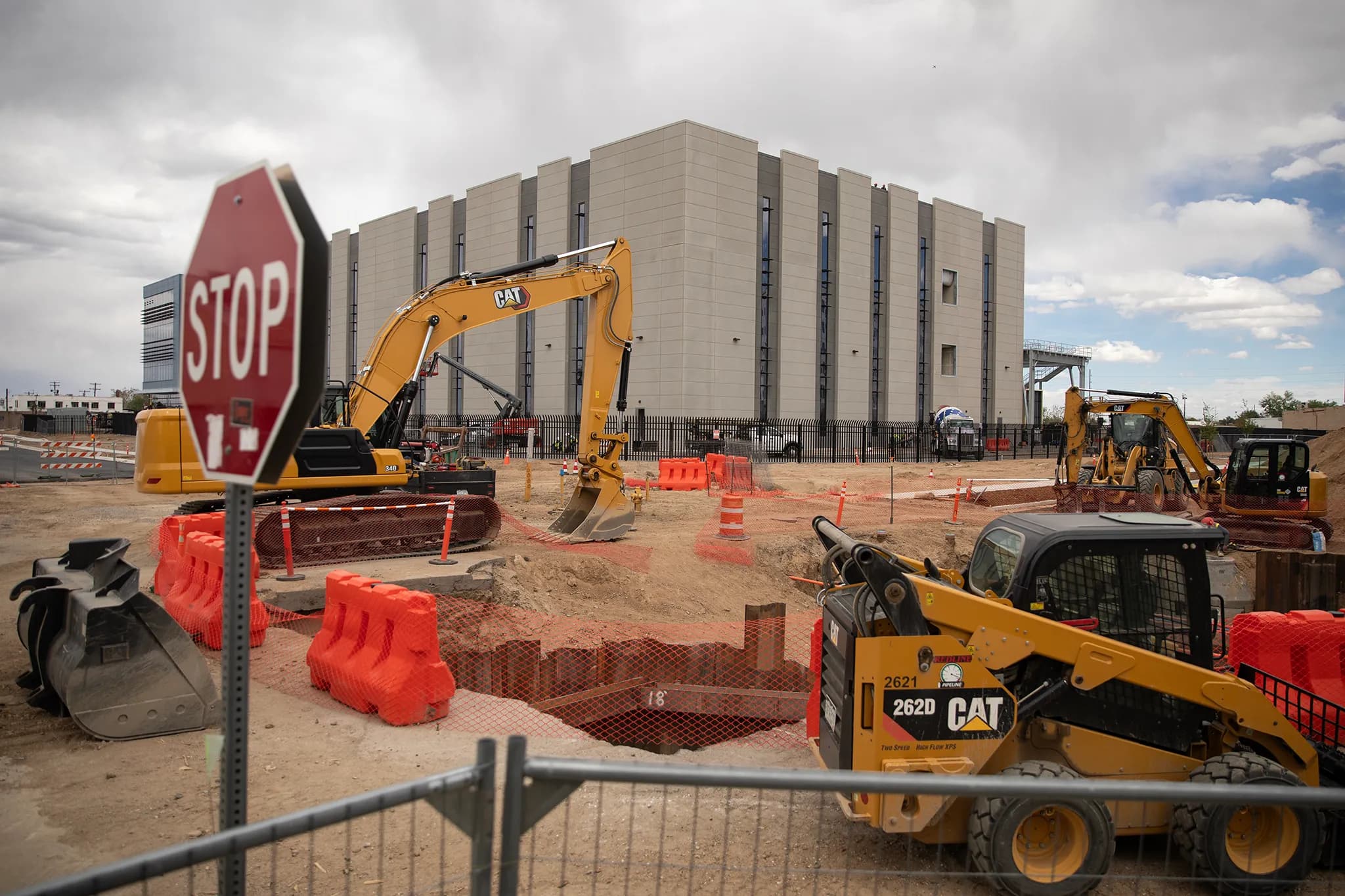
The context for this move is the ongoing tension in north Denver. Residents in the Elyria-Swansea and Globeville areas have long cited a history of pollution from interstate traffic, the Suncor refinery, and other industrial sites. Now, they are facing the prospect of new data centers, including a 600,000-square-foot project under construction by CoreSite. The moratorium was approved by the City Council in response to this growing controversy, and the new working group is intended to guide the city through the policy decisions that will follow.
This isn't just a Denver issue. Communities across the Front Range are having similar debates. Brighton’s City Council recently approved its own one-year ban on data centers, following protests over a large proposal in the northern part of the city. In Weld County, opponents of a large Global AI data center near Windsor are circulating petitions for a public vote on a ban. Aurora, Colorado Springs, and other cities are also weighing in on rezonings and potential moratoriums.
For Denver, the immediate question is whether the moratorium will be extended past May. Developers have been put on notice that the ban could last longer than initially planned. The working group’s recommendations will play a key role in that decision. Council Member Darrell Watson, who represents many of the affected neighborhoods in District 9, emphasized that the group aims to put community voices and solutions at the center of the debate.
"The people who live closest to these projects should shape the rules that govern them," Watson said.
As the working group gets to work, the focus will be on setting clear rules, protecting Denver’s resources, and balancing the needs of the community with the economic benefits of data center growth. The outcome of these discussions will determine the path forward for Denver’s data center landscape in the coming years.
For now, the city has taken a step toward a more structured approach to managing this complex issue. Whether that leads to a lasting solution or just another round of debate, the process is underway.
Keep up with the Western Slope
The day's Western Slope news, one email each morning. Free.