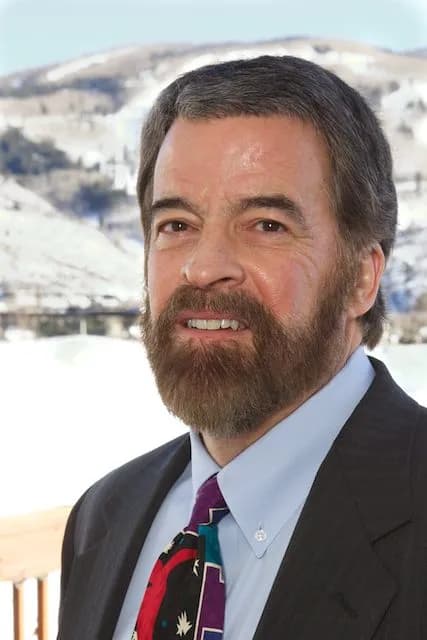
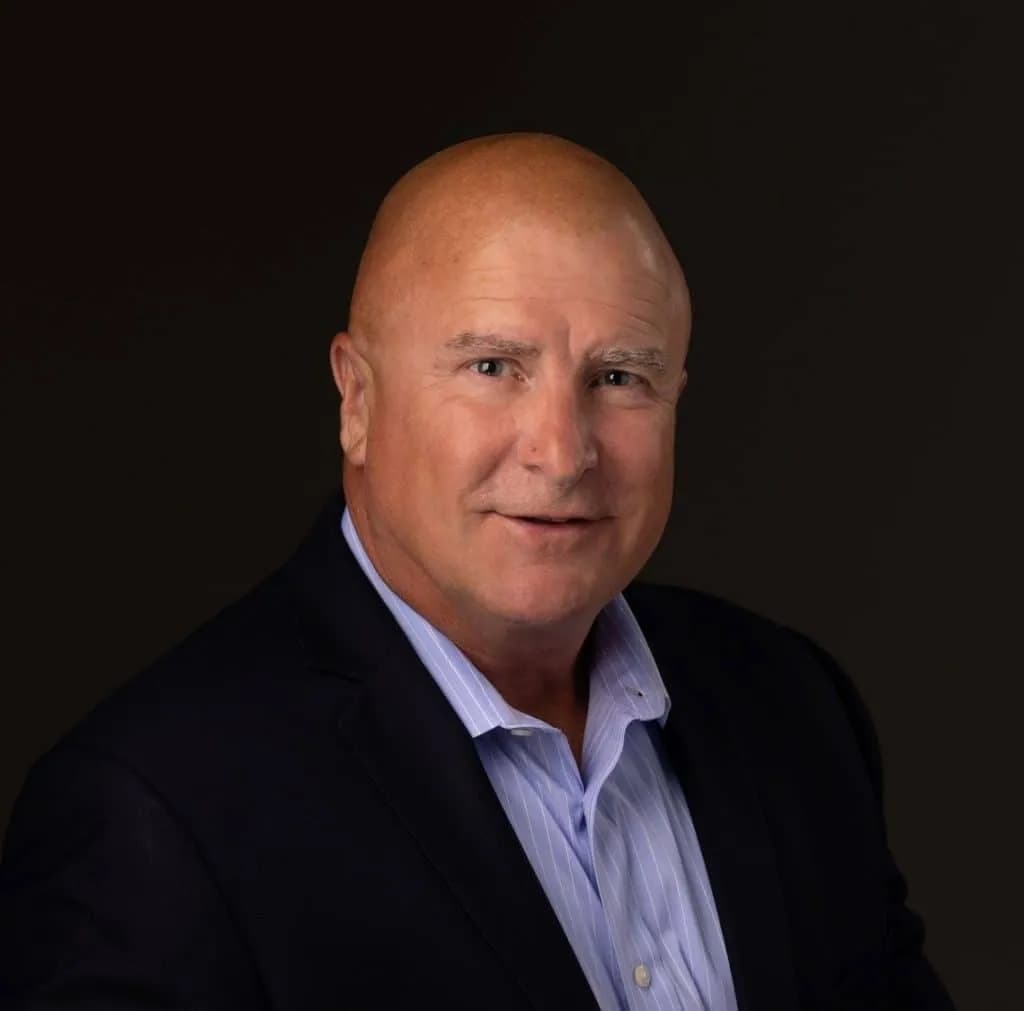
Denver Lawyer Reassesses Feud With Late CU Boulder Professor
Denver lawyer David Silverman shifts his verdict on late CU Boulder professor Ward Churchill, acknowledging past errors in their decades-long feud while maintaining that plagiarism and identity fraud persist.
“Ward Churchill passed away on Aug. 11. May he rest in peace.”
That’s how David Silverman begins his reckoning with the man who spent decades as the University of Colorado Boulder’s most polarizing academic. Silverman, the Denver lawyer and radio host who spent years cross-examining Churchill on air and in print, is writing a new chapter in their long, bitter feud. He’s still standing there in the court of public opinion, but his verdict has shifted. Churchill was wrong about many things, Silverman argues, but not everything.
The scene shifts back to Jan. 28, 2005. The 630KHOW Caplis and Silverman Show is broadcasting live from Boulder. Silverman is in the studio, microphone hot, preparing to dissect Churchill’s essay that called 9/11 victims “little Eichmanns.” It was a phrase that stuck in Silverman’s craw. As an American Jew and a legal advocate who had stood in courtrooms for victims of violent crime, Silverman found the comparison grotesque. But he wasn’t just listening to the words. He was watching Churchill’s body language, listening to the cadence of a figure who knew how to manipulate a room.
Silverman dug up a devastating clip of Churchill advocating for political violence. They played it on the air, repeatedly, for an eager audience. It wasn’t just the “little Eichmanns” line that bothered Silverman; it was the recorded evidence of a leader who told a Seattle audience exactly how to hit Wall Street. Churchill urged his followers to return a “dose of medicine” to America — chemical, biological, and nuclear attacks included.
Silverman and his ultra-conservative co-host wrote a March 2005 op-ed in the Rocky Mountain News advocating for Churchill’s dismissal. Bill O’Reilly had Silverman on Fox News several times. The network knew Silverman from his prosecutorial career, his commentary on O.J. Simpson, JonBenét Ramsey, and Kobe Bryant. They wanted a non-conservative Denver lawyer who could call out a menacing leftist megalomaniac. Silverman was that lawyer.
Most deplorable to Silverman, as he wrote in 2023, wasn’t just the rhetoric. It was the fraud. Churchill was a Caucasian from Elmwood, Illinois — no more Indian than Elizabeth Warren. Yet he traveled globally posing as Native American, adorned in braids and shades, to profit from an Indian identity he did not actually possess. He plagiarized, fabricated sources, and falsified evidence about atrocities against Native Americans. CU ethnic studies students bought his many books. Churchill monetized his deception.
Silverman saw a disgruntled Vietnam vet manipulating impressionable students. The students used bullying and 9/11 victim-baiting to make a living, build an identity, and gather a following. Identity politics and that bully-boy style brought Churchill a modicum of fame and fortune in academic circles.
But here’s what partially drove Silverman’s animus. On his 2005 CU Boulder office door, Silverman studied Churchill’s poster of the iconic Warsaw Ghetto Jewish boy, hands raised as Nazis aimed rifles, with the caption: “Support Palestinian Rights.” It was a Holocaust image conscripted into what Silverman perceived as libel against the Jewish state. He regarded Churchill as a surefire antisemite.
Perhaps I was wrong.
Silverman is now reconsidering that label. The shift doesn’t mean Churchill was right about everything. The plagiarism remains. The fabrication of evidence remains. The monetization of a false identity remains. But the core charge of antisemitism, the one that fueled so much of Silverman’s early fury, is now in question.
The part everyone skips past is the nuance. Churchill wasn’t just a fraud; he was a complex, contradictory figure who used the language of victimhood to advance his own agenda. Silverman, who once saw him as a menacing leftist megalomaniac, now sees a leader who was wrong about many things, but not everything.
Silverman’s reflection lands in a Boulder that has changed since 2005. The university is still there. The ethnic studies department still exists. The students still buy books. But the man who wrote them is gone.
Silverman’s journey from radio host to prosecutor to commentator mirrors the broader cultural shift in how we view identity and authenticity. Churchill’s braids and shades are gone. His books are still on the shelves. And Silverman is still thinking about them.
The poster on the office door is gone, too. But the image of the Warsaw Ghetto boy remains. Hands raised. Rifles aimed. A caption that once signaled antisemitism now signals something more complicated.
Silverman stands there, looking at the past. He’s not sure what he sees anymore.
Keep up with the Western Slope
The day's Western Slope news, one email each morning. Free.