Discovery Land Company Defends Stagecoach Mountain Ranch Housing Count
Discovery Land Company argues that 137 workforce units meet county code requirements, rejecting Steamboat Springs' demand for more housing in the Stagecoach Mountain Ranch development.
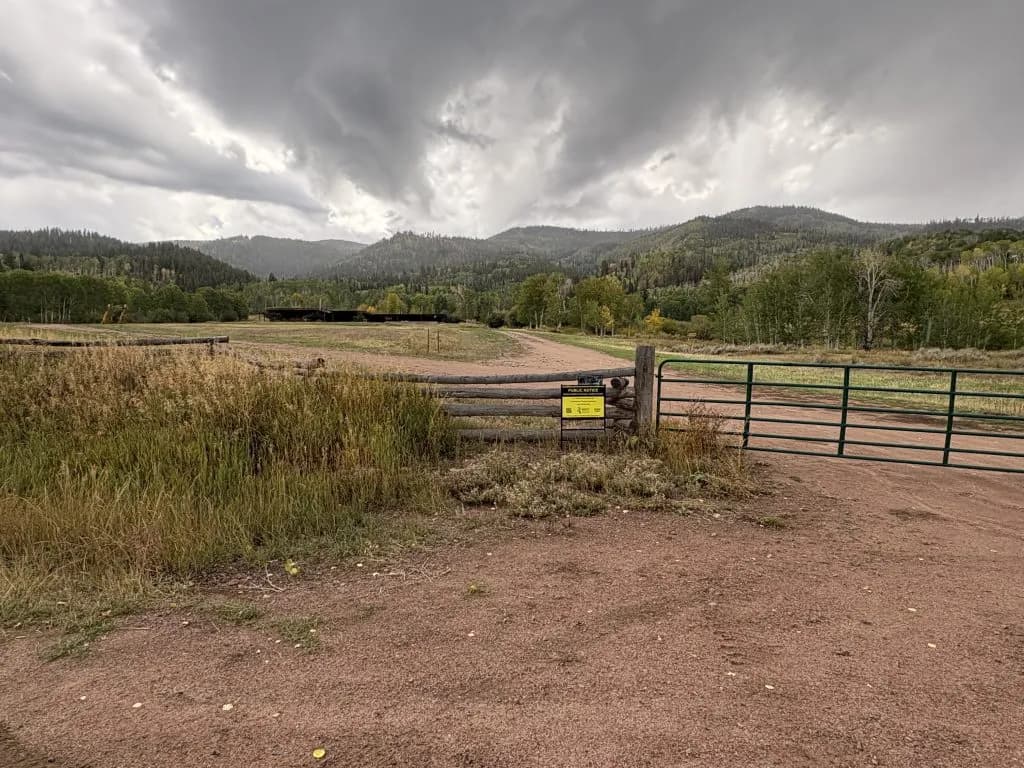
Steamboat Springs —A 6,100-acre development. 600 luxury units. 137 workforce units. And a legal battle over whether Steamboat Springs can demand more than the county code requires.
That’s the core tension in the latest exchange between Discovery Land Company (DLC) and the Steamboat Springs City Council regarding the Stagecoach Mountain Ranch project. The developer didn’t just respond to the city’s concerns; they picked their spots. Specifically, they focused on workforce housing and left the rest of the city’s lengthy list of worries largely untouched.
It’s a calculated move. DLC knows the city is worried about traffic, water quality, and the broader impact on a community already struggling with housing constraints. But in its recent filing, the company argued that meeting the baseline requirements of the Routt County Unified Development Code is sufficient. They aren’t saying they won’t provide housing. They’re saying the city can’t force them to provide more than the county mandates.
City Manager Tom Leeson put it bluntly during the June 16 meeting. “They really, admittedly … didn’t address anything other than the housing comment.”
Leeson noted that Routt County Manager Jay Harrington confirmed DLC’s stance: because many of the city’s specific concerns fall outside strict county code requirements, the developer felt no obligation to address them. It’s a classic regulatory standoff. The city wants the project to solve local problems — like providing enough housing for its estimated 480 employees. DLC says, “We’re doing what the county told us we had to do. You can’t add extra rules after the fact.”
The developer’s response leans heavily on due process. They argue that applying additional, project-specific housing criteria through quasi-judicial proceedings is a violation of their rights. It’s not just about this project; it’s about precedent. DLC warns that Steamboat is trying to “extra-jurisdictionally usurp County authority.” In plain English? The city is trying to wield power it doesn’t legally have, using the review process to squeeze out more value than the code dictates.
Let’s look at the numbers. The plan includes 600 luxury units and 137 workforce units, with 95 of those marked as affordable housing accessible to the public. City officials worry this isn’t enough to support the workforce needed to run the ski resort and residential areas. They fear any shortfall will add pressure to Steamboat’s already tight housing market. DLC counters that this housing stock is “critical” and that they are meeting the minimums.
But here’s the rub: minimums might not be enough for locals. If the 480 employees can’t afford to live here, they’ll commute from elsewhere, worsening traffic and congestion. The city’s concern isn’t just about building houses; it’s about building a sustainable community. DLC’s argument is that if the county code says 137 units, then 137 units is the deal. If the city wants more, it needs to prove it has the legal authority to demand it, not just the political will.
City Attorney Dan Foote acknowledged the limitation. He noted that DLC’s position reflects the limits of the county’s regulatory framework. Even if the city feels the current housing isn’t enough, the law might not give them the leverage to force DLC to build more.
This isn’t just a debate over square footage. It’s a test of how much control Steamboat Springs has over a mega-project that sits in Routt County but impacts the city’s infrastructure and economy. DLC is betting that the county code is the ceiling, not the floor. The city is hoping it can stretch it.
For now, the developer is sticking to its guns. They’ve met the code. They’ve provided the housing. If the city wants more, it needs to justify it legally, not just politically. And until then, locals are left wondering if 137 workforce units is enough to keep the lights on in a community that’s growing faster than its housing supply can handle.
Keep up with Steamboat Springs
The day's Western Slope news, one email each morning. Free.