Eagle Town Council Delays Pickleball Complex as Neighbors Fight Noise
Neighbors of 66 homes in Eagle oppose a proposed pickleball complex due to noise concerns, prompting the Town Council to delay the decision while the county weighs the fairgrounds as an alternative.

Aspen —Sixty-six homes sit within the noise zone of a proposed pickleball complex in Eagle, and neighbors aren’t waiting for the first ball to be served before they’re fighting it.
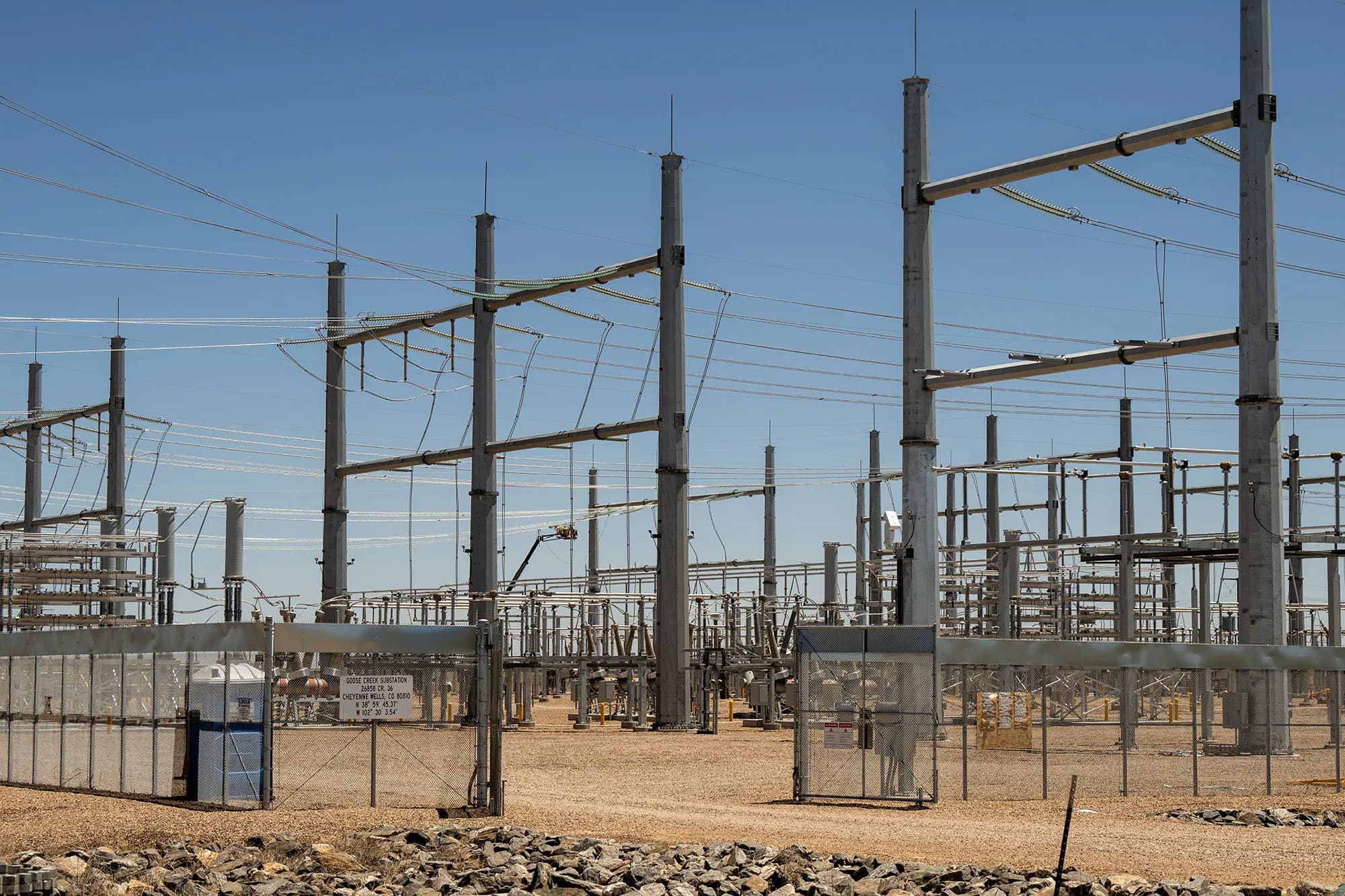
The plan is simple on paper. Eagle County wants to turn a patch of disturbed land east of Eagle Town Park into a public sports hub. The site was cleared for geothermal wells and underground transmission lines serving the Eagle County Building. Now, officials want to replace high-water-use grass with six or eight pickleball courts, shade structures, and low-water landscaping.
It’s pitched as a drought-friendly upgrade. It’s pitched as accessible — close to downtown, the park, and a Core Transit bus stop.
It’s not pitched as quiet.
Locals heard the "pop" loud and clear.
Cheryl Russell stood before the Eagle Town Council on Tuesday and laid out the grievance. She’s a taxpayer. She’s a community member. And she thinks the process is broken. The proposal has advanced through closed-door meetings, she said, leaving the public in the dark about potential impacts.
“It is set up out there for large groups, for parking, and the lighting is there,” Russell said, pointing to the Eagle County fairgrounds as the superior alternative. She argued the fairgrounds already have the infrastructure for a project of this scale.
Arthur Wessel, a nearby resident, brought the science. He cited Paddletek, a major equipment manufacturer, which recommends siting courts at least 500 feet from homes to mitigate noise.
“Pickleball creates a loud, random, high-pitched pop, at a frequency that humans can’t tune out, and over time can be psychologically damaging,” Wessel said.
That’s not just noise. That’s a specific acoustic profile that sticks.
Brenda Wyatt counted the heads in the stands. She lives 50 feet from the proposed courts. She counted 66 homes directly in the line of fire.
The town didn’t vote. It didn’t even really look. In May, the Town Council told the county to come back with more information. They opted out of a decision, pushing the timeline forward but leaving the uncertainty intact.
Mayor Pro Tem Jamie Woodworth Foral said she’s been answering emails personally. That’s a lot of emails. But personal replies don’t change the geometry of the problem. The land is fixed. The geothermal infrastructure is already there. The question is whether the town will accept the noise footprint or force the county to move the project miles away to the fairgrounds.
The county argues the current site is efficient. It’s close to transit. It’s close to downtown. It repurposes scarred land.
Neighbors argue efficiency doesn’t matter if you can’t sleep.
The short version: The county wants courts. The neighbors want silence. The town is still listening.
Read that again. The town didn’t reject the proposal. It just delayed it. That means the county is still holding the ball. They’re still looking for a commitment from Eagle to move from preliminary design to actual construction.
Wessel’s 500-foot rule is a guideline, not a law. But 50 feet is a different story. If the courts go in where planned, Brenda Wyatt isn’t just a neighbor. She’s part of the audience. Every time a paddle hits a plastic ball, she’s there.
The fairgrounds option has parking. It has lighting. It’s further away. But it’s also further from the amenities the county wants to promote. It’s a trade-off. Convenience for quiet.
The town council’s hesitation suggests they see the political risk. Approving it now means approving the noise. Rejecting it means telling the county to start over or find a new site.
For now, the land sits empty. The geothermal wells hum. The grass is gone. And 66 homes wait to see if their peace of mind is worth the cost of a court.
Keep up with Aspen
The day's Western Slope news, one email each morning. Free.