$60 million
$60 million. That is the high-end estimate for a transit hub that, according to local critics, is less of a necessity and more of a monument to bad planning. If you live in Snowmass, you’ve likely heard the buzz around…
Aspen —$60 million. That is the high-end estimate for a transit hub that, according to local critics, is less of a necessity and more of a monument to bad planning.
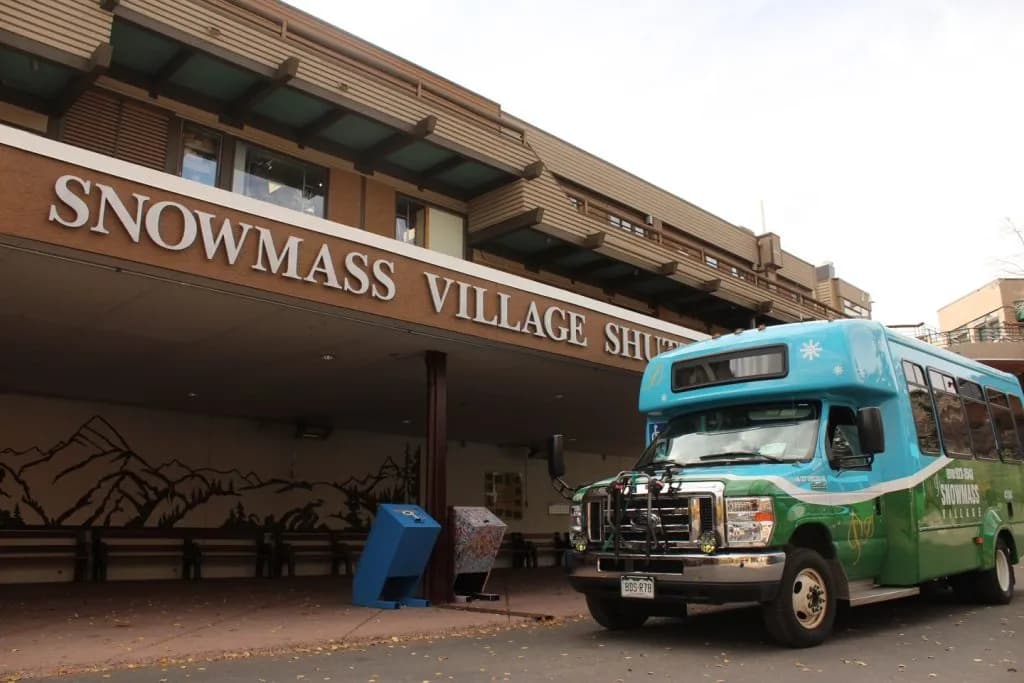
If you live in Snowmass, you’ve likely heard the buzz around the proposed Mall Transit Center. The Town of Snowmass is looking to consolidate the local shuttle system and the regional Roaring Fork Transit Authority (RFTA) service into a single, massive facility. On paper, it sounds efficient: better transfers, safer crossings, and more foot traffic for the shops on the Mall. In practice, it looks like a concrete wall blocking the view of the mountains and a budget drain that leaves little left over for the things locals actually need, like workforce housing.
The Aspen Times reported that the town’s Part Time Resident Advisory Board (PTRAB) has formally pushed back against the plan. The board, which includes seven non-voting part-time residents, drafted a letter to the town council expressing their support for some upgrades — better bathrooms, clearer signage — but their opposition to the centerpiece of the project: the so-called “Grand Entrance.”
“PTRAB supports improving the Mall transportation centers but, at this time, does not support the proposed Grand Entrance,” the letter states. Instead, they argue for a “simpler, lower-cost, more moderate plan, one more in character with Snowmass Village.”
The concern isn’t just about aesthetics, though the board did describe the proposed structure as an “oversized aesthetically inappropriate structure.” It’s about value. At a projected cost of $42 million to $60 million, as presented by Transportation Director Sam Guarino during a Sept. 22 meeting, the price tag is steep. PTRAB Chair John Orton put the question directly to Guarino: “Why are we doing that type of transport center rather than an upgrade to the two existing and keeping them separate? Why does it need to put them together and build such a significant transit center?”
Orton’s query gets at the core of the debate. Why merge two functioning systems into one expensive new build? Guarino argued that consolidation would improve transfer connections, enhance passenger safety, and boost pedestrian traffic, which would benefit the businesses along the Mall. But for many residents, the benefits are diffuse while the costs are immediate and heavy.
Advisory Board member Cristine Lindenfelser voiced a common frustration: “I’m mostly concerned about the budget. We want to have money for workforce housing and all the community needs.” She suggested that the entities benefiting most from the increased foot traffic - Aspen Skiing Company and the Mall’s business owners; should contribute to the cost. “If we build it for free, they’ll love it,” she said. “It benefits SkiCo and business owners the most.”
This is the classic tension on the Western Slope: who pays for growth? The current proposal puts the entire burden on the town’s general fund, which is already stretched thin. If the $60 million estimate holds, that’s a massive chunk of capital that won’t be available for other projects. And that’s before you factor in the construction disruptions. A project of this scale will require significant road closures and detours through the heart of Snowmass Village, potentially lasting months or even years. For local businesses and residents alike, that’s a major inconvenience.
The PTRAB letter also notes that the current design acts as a “wall to the mall,” primarily benefiting those arriving by bus rather than the broader community. This is a fair point. The Mall is a central part of Snowmass’s identity, and a giant transit hub at its entrance could change the character of the area. It might feel less like a quaint alpine village and more like a suburban shopping center.
So, what’s the alternative? The board suggests upgrading the two existing facilities separately. This would likely be cheaper and less disruptive. It wouldn’t create a single, grand hub, but it would still improve the user experience. It’s a more modest approach, but it might be more realistic given the town’s financial constraints.
The final decision rests with the town council. They’ll need to weigh the arguments from both sides. The proponents of the Grand Entrance see it as a modernization project that will put Snowmass on the map. The opponents see it as an overreach that ignores the town’s history and character.
For now, the debate continues. The next step is for the council to review the letter and decide whether to proceed with the current plan or look for alternatives. In the meantime, locals are left wondering if their town is about to get a new landmark or a new headache.
The bottom line is simple: if the town goes ahead with the $60 million project, taxpayers will be on the hook for a huge portion of that cost. If they choose the cheaper option, the savings could be redirected toward other priorities. Either way, the decision will shape the future of Snowmass for decades to come. It’s a big choice, and it’s one that deserves careful consideration.
Keep up with Aspen
The day's Western Slope news, one email each morning. Free.