“Walk up and take out
“Walk up and take out.” That is the operational model for the newest addition to downtown Aspen’s commercial landscape. It is a phrase that strips away the pretension often associated with the town’s hospitality industry. There is no reserved seating,…
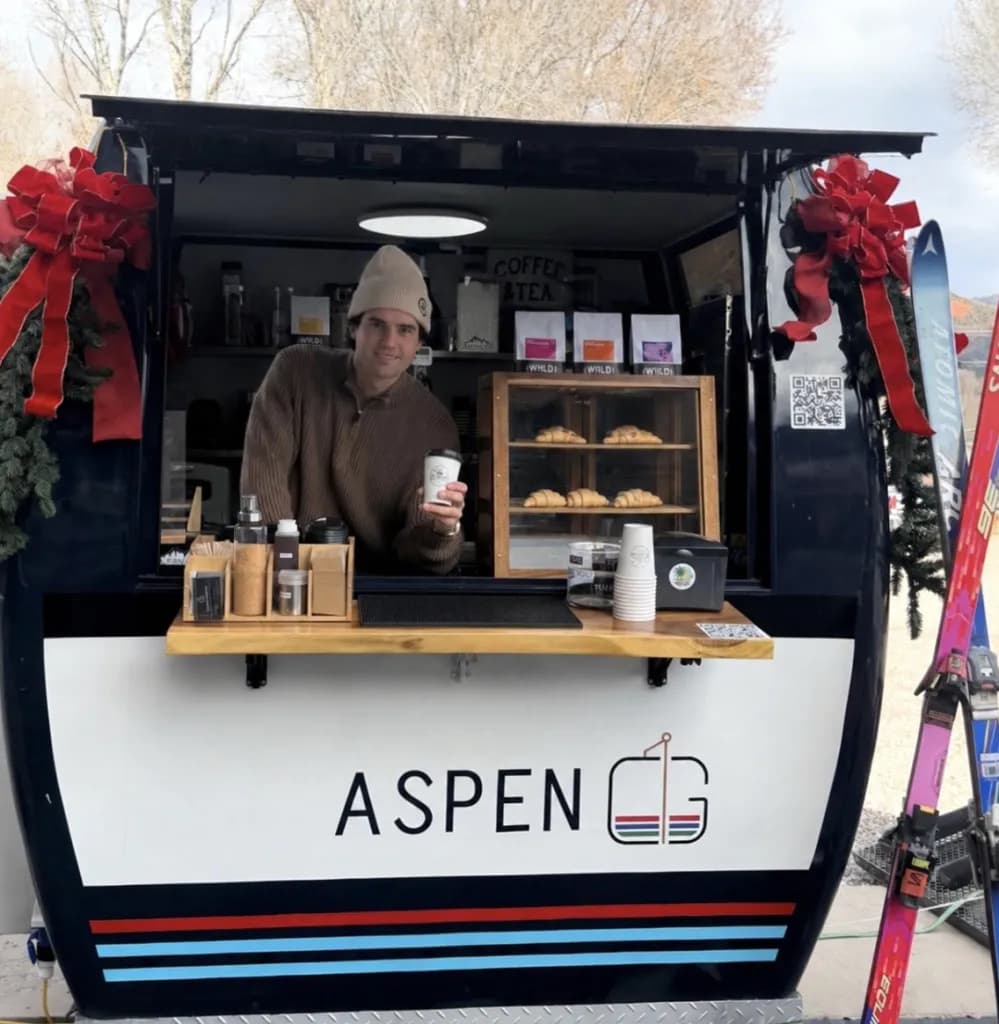
Aspen —“Walk up and take out.” That is the operational model for the newest addition to downtown Aspen’s commercial landscape. It is a phrase that strips away the pretension often associated with the town’s hospitality industry. There is no reserved seating, no white tablecloths, and no expectation of lingering. You approach the window, you order, you pay, and you leave with your goods.
The business behind that counter is Cathers Gondi Co. Café, scheduled to open its doors — well, its windows — on Dec. 1. The location is 400 E. Hopkins Ave., a spot that will immediately catch the eye of anyone driving down the main drag. The reason for the visual disruption is the container itself. Instead of a brick-and-mortar storefront, the café operates out of a vintage-inspired gondola. For context, the gondola was the original mode of transportation up the mountain, a piece of infrastructure that defined Aspen’s identity before the ski lifts took over. By placing a replica of that cabin in the middle of the town center, the owners are literally embedding the mountain’s history into the urban grid.
The menu is straightforward, designed for speed rather than sustenance. The café will serve coffee, hot chocolate, and tea, accompanied by pastries and breakfast items. These food products are sourced from across the state, meaning the bread and pastries likely travel hundreds of miles to reach the gondola. The coffee itself comes from Wild Coffee Roasters, a company based in Silt. This partnership matters because it connects Aspen to the rest of the Western Slope. Silt is a small town in Garfield County, known for its agriculture and proximity to the oil fields. By partnering with a roaster from Silt, the café creates a tangible link between the high-end resort town and the working-class communities that support it.
The people running the show are George Cathers and his brother, Kristian. George is the primary driver of the project, having spent the last five years working in film and photography. He sees this venture as a pivot, a way to apply his creative instincts to a physical space. Kristian will be working at the café, bringing a second pair of hands and a local perspective. Their goal, as stated in the Aspen Times, is to stand out because they are “owned by kids that were born and raised here.” This distinction is critical. In a town that has become increasingly tourist-heavy, local ownership is a rare commodity. The fear among residents is that the few remaining locally-owned businesses will be bought out or priced out, leaving only franchises and corporate entities. This café is an attempt to push back against that trend.
The origin of the gondola concept is rooted in family history. George’s grandparents won two Aspen gondolas in an auction years ago. One of these cabins was refurbished and converted into a mobile photo booth, rented out for events. This project introduced the idea of using the gondola as a unique, attention-grabbing feature. The café is an evolution of that initial concept. The photo booth will remain part of the business, operating alongside the new food service. This dual-use strategy allows the business to generate revenue from two distinct streams: event rentals and daily foot traffic.
Paul Cathers, George’s father, played a significant role in bringing the project to fruition. His involvement is described as instrumental, suggesting that his expertise or resources were vital to the construction and setup of the gondola. For Paul, the project represents a chance to connect with his son and contribute to the community. The sentiment expressed is one of pride and anticipation. The focus is on the reaction of the public, specifically the goal of putting smiles on people’s faces. This emphasis on emotional response highlights the personal investment of the owners. It is not just about selling coffee; it is about creating a positive experience.
The practical impact of this new business is twofold. First, it adds a new option for residents and visitors who want a quick caffeine fix without entering a full-service restaurant. Second, it reinforces the local character of downtown Aspen. The presence of a locally-owned business in a prominent location sends a message that the town is not just for tourists. It suggests that there is room for the community to maintain its identity amidst the influx of outsiders.
Let’s do the math on the logistics. The café is a “take out” operation, which means it requires minimal interior space. The gondola cabin provides just enough room for a counter, a register, and storage for supplies. Customers do not enter the cabin; they interact with the staff through a window. This design maximizes efficiency. There is no need for chairs, tables, or restrooms inside the gondola. The entire transaction happens in a matter of minutes. This speed is essential for a busy street like Hopkins Avenue, where foot traffic is constant.
The choice of a gondola as the building material is also a statement about sustainability and reuse. While the café uses a replica, the original project involved refurbishing an actual cabin. This process of repurposing old materials aligns with the environmental values often held by people in the mountains. By giving a second life to a piece of equipment that might otherwise sit in a warehouse, the business reduces waste. It turns a relic of the past into a functional tool for the present.
The visual appeal of the gondola is a marketing asset. It serves as a landmark. People will recognize it from a distance. It creates a focal point in the streetscape. This visibility drives traffic. Passersby will be curious about the unusual structure. This curiosity translates into sales. The gondola acts as a billboard for the business.
The integration of the photo booth into the business model creates a synergy. The two concepts complement each other. The photo booth attracts event planners and social media users. The café attracts daily commuters. Together, they create a comprehensive brand. The business offers both a daily service and an occasional experience. This diversity reduces risk. If one segment slows down, the other can sustain the operation.
The local sourcing of food items supports other businesses in the state. By purchasing pastries and breakfast items from various suppliers, the café contributes to the regional economy. This network of vendors strengthens the overall economic fabric. It creates a web of interdependence. Each business relies on the others for success.
The presence of a locally-owned business also affects property values. A well-maintained, attractive storefront increases the desirability of adjacent properties. The gondola, with its unique design, enhances the aesthetic of the block. This improvement benefits neighboring landowners. Their properties become more valuable due to the improved surroundings.
The cultural impact of the café is significant. It preserves a piece of Aspen’s heritage. By incorporating the gondola into the modern city, the business bridges the gap between past and present. It reminds residents of the town’s origins. This connection to history fosters a sense of belonging. It helps people feel rooted in their community.
The practical bottom line for locals is clear. This new café offers a convenient, unique, and locally-owned option for coffee and breakfast. It adds personality to downtown Aspen and provides a reason to stop by. The cost to the consumer is likely comparable to other local cafés, but the value includes the experience of interacting with a historic symbol of the town. For the community, it represents a victory for local ownership and a reminder that the town is still home to the people who built it.
Keep up with Aspen
The day's Western Slope news, one email each morning. Free.