The four firefighters didn’t die because the fire was too big
The four firefighters didn’t die because the fire was too big. They died because the fire moved faster than anyone expected. That’s the hard fact. The rest is context. On June 27, the Rifle Helitack crew was battling the Knowles…
Rifle —The four firefighters didn’t die because the fire was too big. They died because the fire moved faster than anyone expected.
That’s the hard fact. The rest is context.
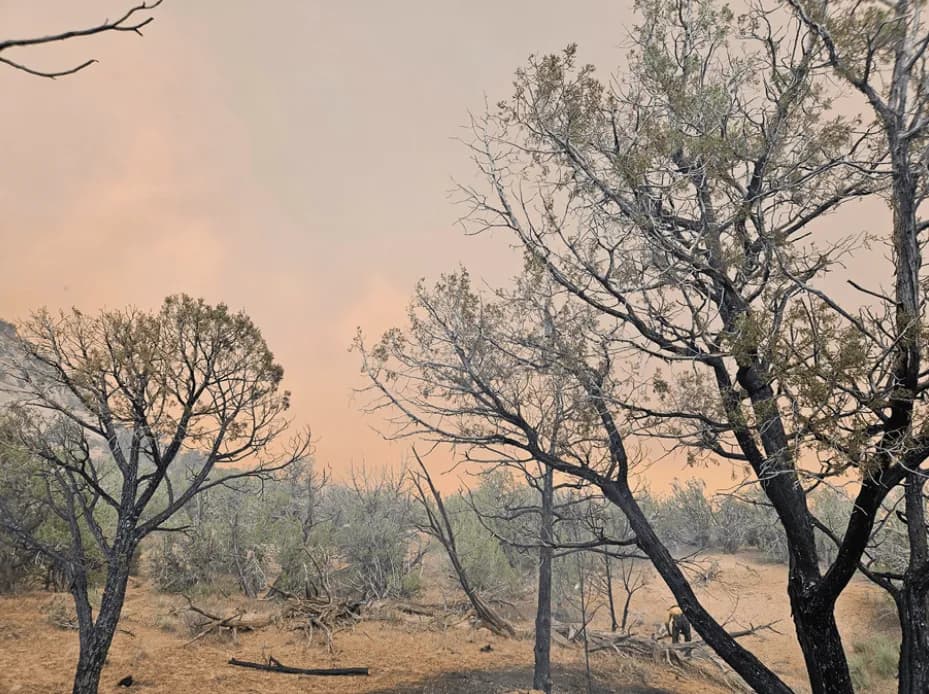
On June 27, the Rifle Helitack crew was battling the Knowles Fire near the Colorado-Utah border. Five crew members were on the ground. The blaze overtook them. A helicopter couldn’t land. The crew deployed fire shelters.
Three died at the scene: Emily Barker, Nick Hutcherson, and Sydney Watson. Nathan Matthews died a month later.
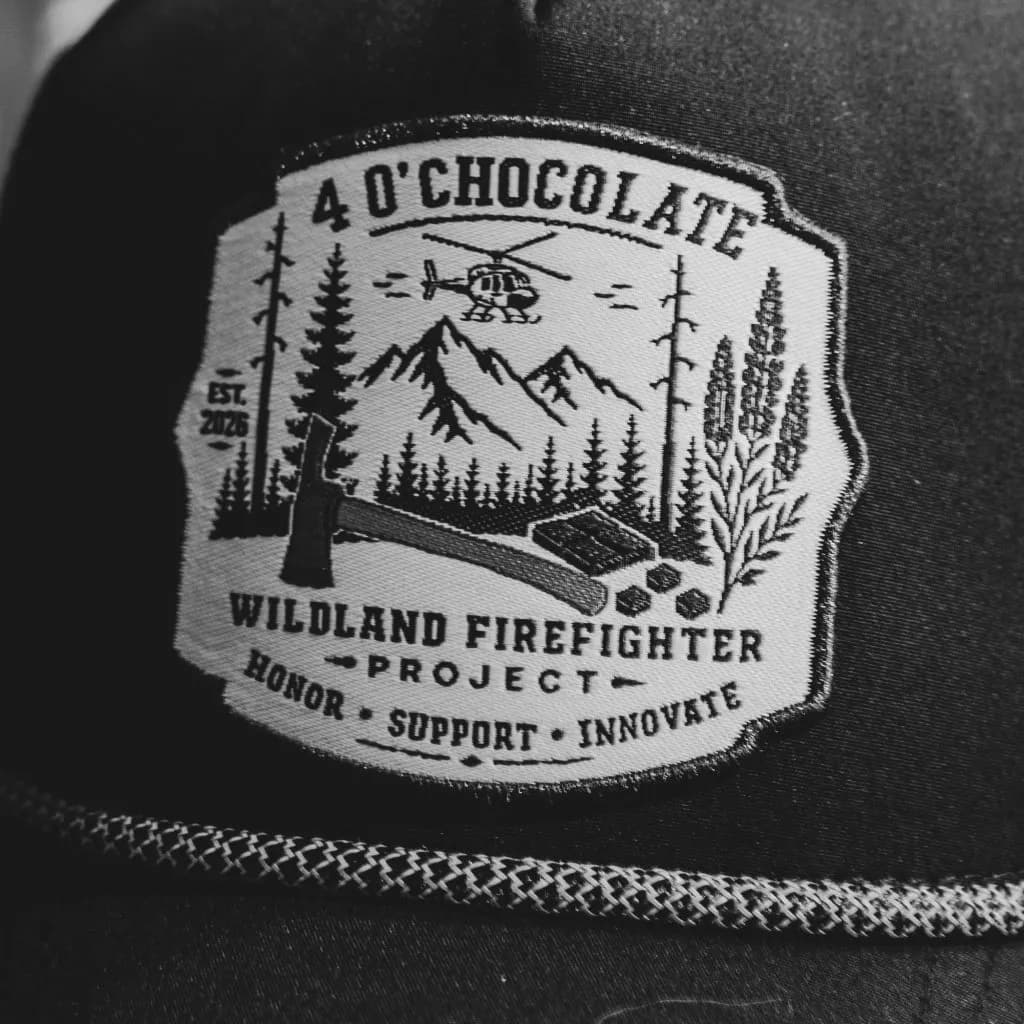
Barker was the squad leader. She had a rule. At 4 p.m. every day, the team stopped. For two minutes. They ate chocolate. It didn’t matter if they were at camp or in the middle of a burn. They paused. They breathed. They went back to work.
It sounds small. It wasn’t.
A new nonprofit has formed to keep that habit alive. It’s called the 4 O’Chocolate Wildland Firefighter Project. It was founded by Maddie Voshell and T.J. Jenkins. Voshell is married to a member of the Rifle Helitack crew. Jenkins was close friends with Barker. They played on the same hockey team in the Vail area.
Their goal is simple. Honor the fallen. Support the living. Push for change.
Voshell knows the weight of that change. She sees the ripple effects of the tragedy. The stigma around mental health in wildland firefighting is heavy. The intake processes for help are slow. The culture of silence is thick.
Barker’s 4 o’clock rule cut through that silence. It was a silent leadership style. Funny. Silly. Always checking on people.
Read that again. Silent leadership. In a job where you’re screaming over the roar of a helicopter engine, silence is loud.
Jenkins puts the mission bluntly. He doesn’t promise safety. He promises return.
“It’s not to make wildland firefighting safe — because it is inherently dangerous,” Jenkins said. “We are never going to make it safe. But it’s to bring more wildland firefighters home safely.”
Make no mistake, that distinction matters. Safety implies a ceiling. Return implies a floor.
The investigation into the burnover is done. The U.S. Wildland Fire Service and U.S. Forest Service looked at the data. The fire behaved unexpectedly. It traveled seven miles in less than three hours. That speed is the culprit.
But the chocolate? The chocolate is the cure.
The nonprofit wants to carry that spirit forward. It’s not just about memory. It’s about mechanics. How do you build a team that can stop moving when the world is on fire? You build a ritual. You build a pause.
Voshell says that pause is what they want to remember. It’s what they want to honor.
Two minutes. That’s all it takes to reset.
Now, ask yourself this. Does your crew have a 4 o’clock?
Keep up with Rifle
The day's Western Slope news, one email each morning. Free.