Eagle County Backs UP Merger After Union Pacific Promises Local Engagement
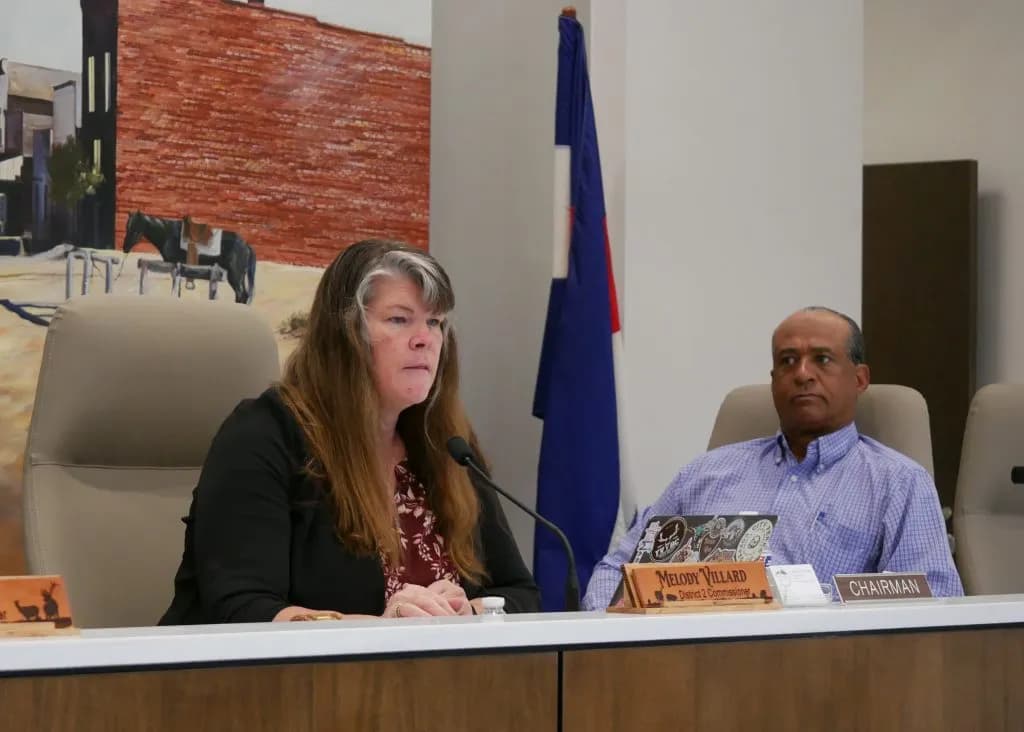
Eagle County commissioners endorsed the Union Pacific and Norfolk Southern merger on Sept. 9, trading support for promises of improved local engagement regarding the dormant Tennessee Pass rail line and regional transit options.
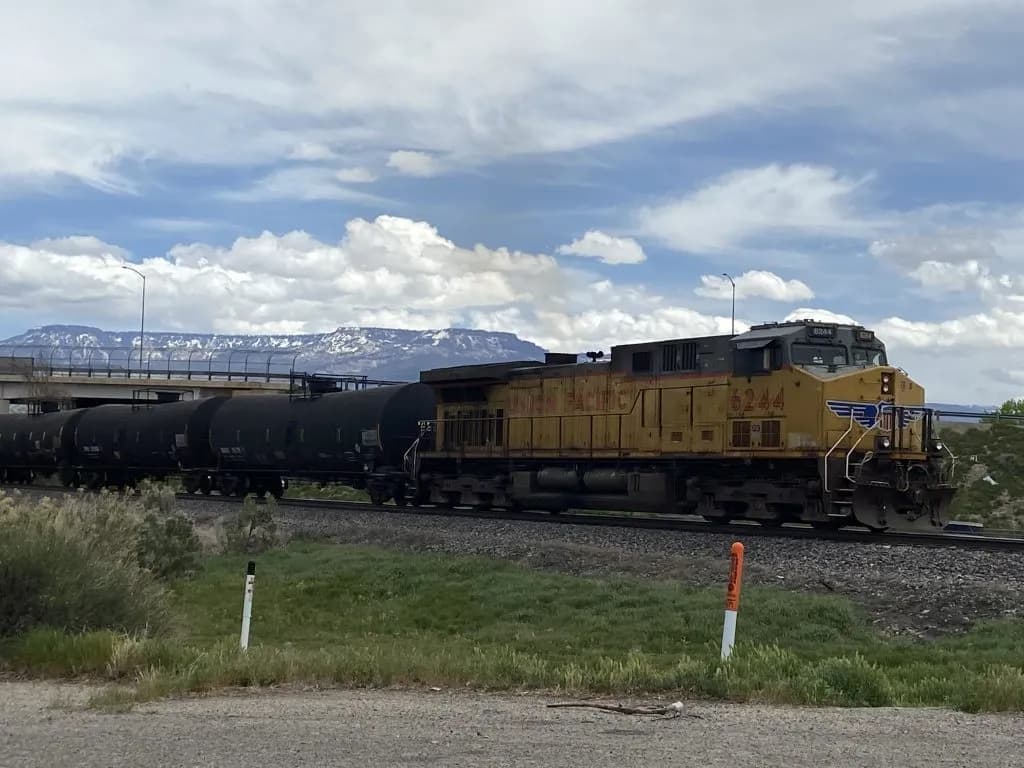
Aspen —The Tennessee Pass rail line sits silent, a rusted scar cutting across the landscape from Glenwood Canyon to Ski Cooper. It follows the Eagle and Arkansas rivers, a dormant artery that once promised connection but now offers only quiet. For years, the silence was deafening to local leaders who tried to speak with its owner and got nothing back but static.
That silence broke last week, not with a train whistle, but with a letter from the Eagle County commissioners. They sent it to the U.S. Surface Transportation Board, officially backing the proposed merger between Union Pacific and Norfolk Southern. The decision wasn’t made in a vacuum; it was the direct result of a change in posture from Union Pacific officials, who told county leaders they would be more engaged with local governments.
“We are writing in support of the proposed merger between Union Pacific (UP) and Norfolk Southern railroads in light of assurances from Union Pacific that engagement with local governments in Eagle County will dramatically improve,” the commissioners wrote on Sept. 9.
It’s a transactional pivot. The county isn’t just cheering for a corporate giant; they are trading their support for a promise of communication. And that matters because, as the letter notes, past interactions have been “frustrating at best.” The commissioners were blunt about the history of neglect. They cited a lack of engagement or “complete non-responsiveness” that left potential opportunities for the community unexplored.
Union Pacific, a western Class 1 railroad based in Omaha, is merging with Norfolk Southern, an eastern carrier out of Atlanta. The deal creates a coast-to-coast behemoth, but for folks in the valley, the stakes are hyper-local. Union Pacific also owns the active Moffat subdivision line that splits off at Dotsero, following the Colorado River up into Grand County and through the Moffat Tunnel to Denver.
The commissioners took an “all-of-the-above” approach in their letter, listing a menu of desired outcomes for the dormant Tennessee Pass line. They want to see commuter rail from the Eagle County Regional Airport, “rail banking” (keeping the right of way for recreation while saving it for future transit), rails-to-trails conversion, and property development. They also flagged assistance with rail crossings as a priority.
This isn’t just about trails, though. Eagle County has twice sued to halt or slow a surge in oil trains through the county along the proposed Uinta Basin Railway, which carries product from the oil fields of northeastern Utah. Safety and better communication are high priorities for the board, a fact that colors every sentence of their support.
The path to this letter wasn’t smooth. Local trail advocates had pushed for conditional support, predicated on pursuing a rail-to-trails conversion plan conceived in the 1990s. That push triggered its own counter-current: regional passenger rail advocates wanted to study a Glenwood-to-Leadville line. The commissioners navigated between these competing interests, ultimately deciding that the mere prospect of improved dialogue was worth their endorsement.
Their letter ends on a note of cautious optimism, citing “strong, positive possibilities” that may come with revitalized rail transportation. But the commissioners also acknowledged a lingering frustration: the opportunities for local communities vis-à-vis rail rights of way, crossings, properties, and operations remain unresolved.
The letter is in the hands of the federal board now. The merger awaits a final vote, and with it, the fate of how Union Pacific interacts with the towns along its tracks. For now, the Tennessee Pass line remains dormant, but the conversation around it is finally awake.
Keep up with Aspen
The day's Western Slope news, one email each morning. Free.