Eagle County School Therapy Program Faces $750K Funding Cliff
Eagle County’s school therapy program served 434 students but faces a $750,000 revenue loss when a major federal grant expires in December 2027, leaving the district without a replacement plan.

Aspen —A $1.6 million annual price tag. That is what it costs to keep the lights on for Eagle County School District’s School-Based Therapy Program.
The Vail Daily published an opinion piece this week outlining the first full year of data for the program, which launched last fall after Your Hope Center dissolved in June 2025. The numbers show a program that is working, but one running on fumes.
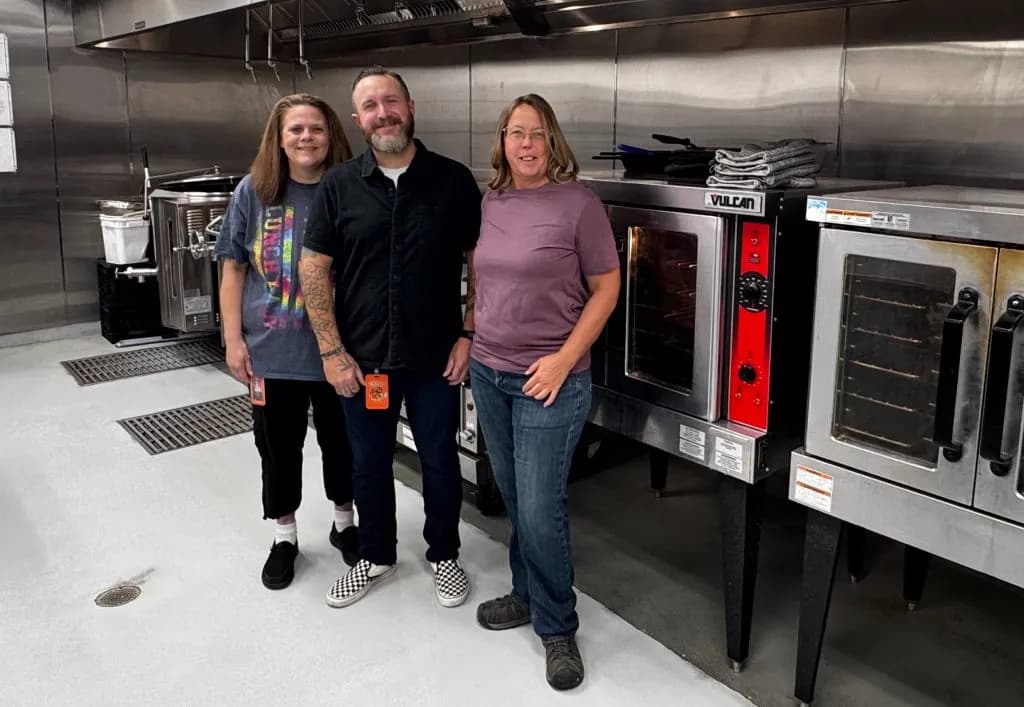
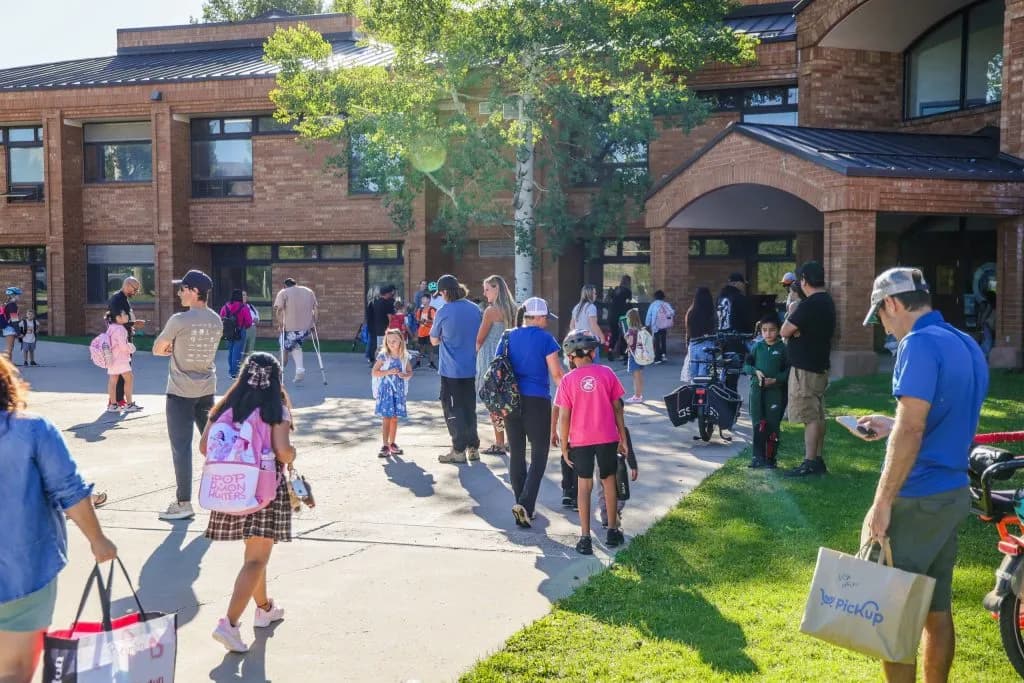
Let’s do the math. The SBTP now reaches every school in the district with a team of 12 therapists, including four bilingual clinicians, a program director, and an interpreter. They served 434 students and delivered more than 4,300 direct services. In a district where nearly 40% of families speak Spanish as their primary language, that bilingual capacity isn’t a perk; it’s the difference between access and exclusion.
The results are stark. On end-of-year surveys, 100% of surveyed students and parents said they would recommend the program. One parent wrote that their therapist “saved our kid” and that they weren’t sure if their child would be alive today without her. Another noted the program made therapy “possible” for a child who had struggled to get support elsewhere. Federal reporting confirms the program met or exceeded every target it was measured against, from staff retention to student-to-therapist ratios.
But here is the catch that the data doesn’t fix: funding.
Over three-quarters of that $1.6 million comes from grants. The author describes these dollars as feeling “less like year-to-year funding and more like day-to-day given the pace of state and federal cuts.” The largest single grant, a federal award worth over $750,000 annually, expires in December 2027 with no option to renew.
That is a cliff. Not a slope, not a gradual decline — a hard drop-off in under two years.
The program currently operates with therapists splitting their time across elementary and middle schools, working only part of the week at any one building. This limits caseload sizes and prevents deeper engagement with families. The author notes that without expansion to house a full-time therapist in every school, the model remains constrained. It is difficult to ask a clinician to build a career in a setting where their funding source might vanish in 2027.
For context, the program was built to fill a gap left by Your Hope Center’s dissolution. It is not a new initiative; it is an emergency response that has stabilized into a necessity. The therapists on staff chose school-based work knowing it would be harder and lower-paid than other settings because they wanted to be where the kids already are.
The practical impact for locals is simple: if the federal grant expires in December 2027 and no replacement funding is secured, the district faces a sudden loss of over $750,000 in annual revenue. That is nearly half the program’s total operating cost. The district has not yet announced a plan to replace those dollars.
The Vail Daily piece ends on that note of uncertainty: “Right now, we don’t have an answer to ‘then what?’”
That is the question neighbors in Eagle County need answered before December 2027. The therapy works. The students are getting help. But the funding structure is a ticking clock, and the district’s ability to retain its 12 therapists depends on whether someone in a boardroom can find $750,000 to replace the grant that is about to disappear. Until then, the program runs on a budget that looks solid on paper but fragile in practice.
Keep up with Aspen
The day's Western Slope news, one email each morning. Free.