Eagle River Guide Explains Weighted Nymph Rig for Deep Trout
A Vail Valley guide advises Eagle River anglers to use tungsten-bead nymphs and split shots to reach deep-holding trout, emphasizing proper drift and weight calibration over complex casting.
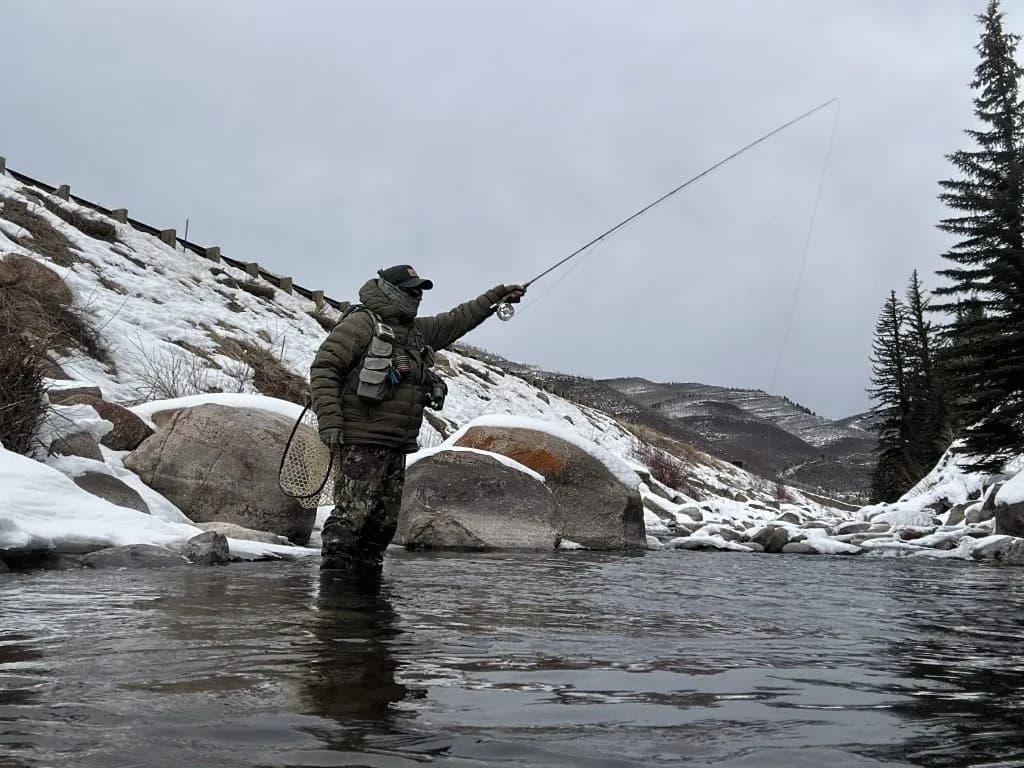
Aspen —A healthy Eagle River brown trout, caught on a two-fly nymph rig, is the visual anchor of this guide. It represents the goal: a fish that is actively feeding, not just holding position.
Right now, the conditions are stacked in the angler’s favor. The weather is mild, the sun is out, and the insects are active. This means the trout are focusing on subsurface feeding patterns. As we move into the colder months, the strategy shifts. To stay connected to the fish, you will likely be fishing nymphs exclusively. The insects move deeper, and the trout follow.
For the beginner, this is where the frustration starts. Nymphing is awkward. It involves cumbersome rigging and precise presentation. You are fighting against the current, trying to keep your fly in the "strike zone" while managing line tension. It is less about the cast and more about the drift.
To master this, you have to understand the biology. Trout get the bulk of their diet underwater. If you don’t know the life cycle of the insects, you are guessing. Once you grasp the stages, you can pick the right fly. It’s not just about matching the hatch; it’s about matching the depth.
This brings us to weight. This is the most critical mechanical factor. Unweighted and weighted flies behave completely differently. They cover different parts of the river column. For context, shallow water is warm and active. But the real action, the deep-holding trout, requires depth.
Bryant Compton, a longtime fly fishing guide with the Vail Valley Anglers, puts it plainly: "Use enough bead." He emphasizes sinking the fly with "purpose and authority."
Let’s do the math on why this matters. A fly with too light a bead simply drifts past the bottom. The fish are there, hugging the rocks, waiting. If your fly floats above them, they ignore it. You need a heavy bead — specifically, tactical flies with tungsten beads and jig hooks. These weights allow the fly to bounce off river rocks and tumble closely to the bottom. That movement mimics a natural insect struggling in the current. It sells the presentation.
On paper, this sounds simple: buy a heavy fly. In practice, it’s a calibration exercise. Sometimes a tungsten bead isn’t enough. If you need to get deeper, you add split shots to your leader. This increases the overall weight of the rig. But now you have a new problem: a "daunting rig." You have a strike indicator, sinkers, and weighted flies. It’s a lot of hardware to manage.
The key is coordination. Minimize your movements. Concentrate on proper presentation. Let the river guide your line. The current provides the tension you need to assist in your casting. You aren’t fighting the water; you’re using it.
The practical bottom line for locals: If you are starting out, don’t worry about complex knots or expensive gear. Focus on two things. First, buy nymphs with tungsten beads. Second, learn to let the river do the work. If your fly isn’t reaching the bottom, add weight. If it is reaching the bottom and the trout are eating, stop tinkering. The fish are feeding now. Get your weighted fly down deep, and let it tumble. That is where the action is.
Keep up with Aspen
The day's Western Slope news, one email each morning. Free.