Eagle Wins Mountain Town 2030 Climate Award for Net-Zero Push
Eagle was one of four communities recognized at the Mountain Town 2030 Summit for its net-zero push, driven by a new 745-kilowatt solar array and town hall electrification.
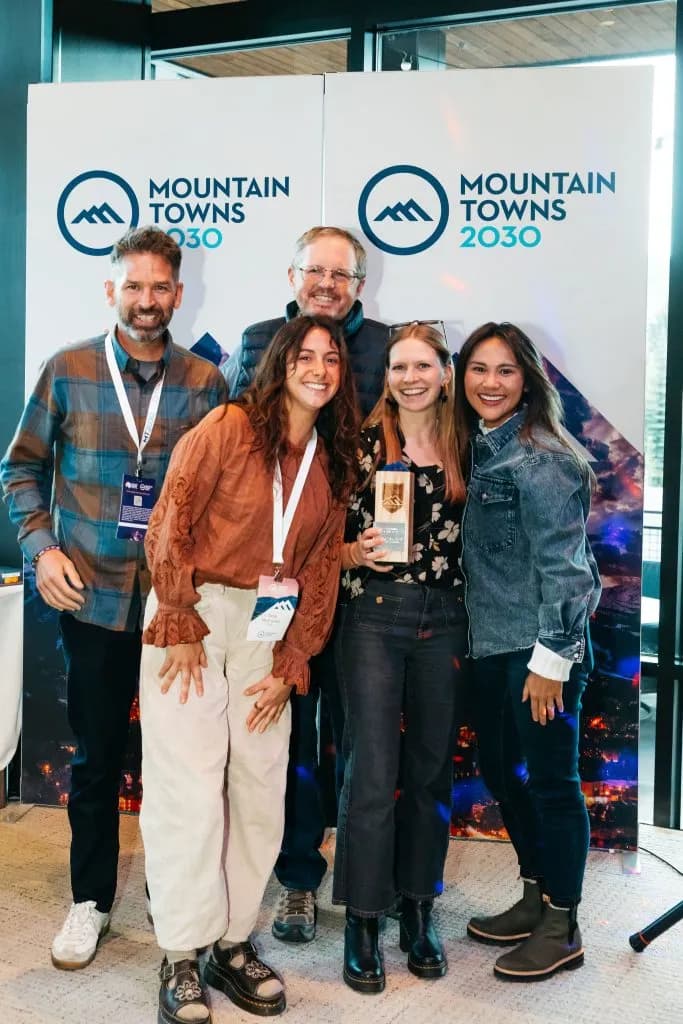
Aspen —Geoff Grimmer stood in the crowd at the Mountain Town 2030 Climate Summit, watching a plaque get handed out to his town. He wasn’t looking at the award. He was looking at a ghost.
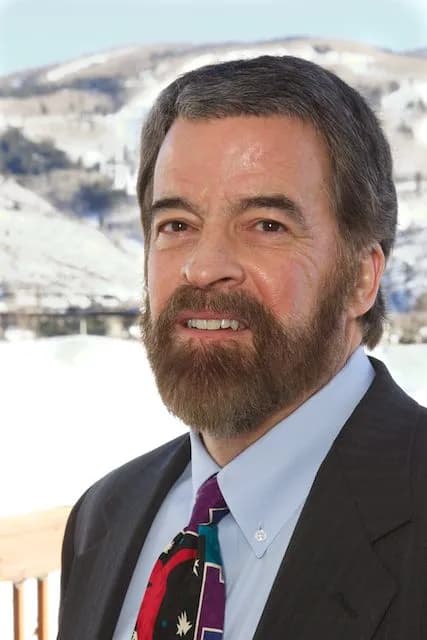
For six years, Adam Palmer has been gone. The local legend died in 2018, but his fingerprints are all over the Eagle municipal budget. Grimmer said he thought a lot about Palmer’s legacy during that moment, noting that the late pioneer accelerated the town’s sustainability efforts long before it was a buzzword. "I know that the work we’re doing would have been something that he would have been thrilled about," Grimmer told the Vail Daily.
The obvious take is that Eagle won because it’s a small, wealthy town with plenty of grant money. That’s not exactly right. The Mountain Town 2030 Summit brought together over 500 leaders from more than 60 mountain communities and 50 ski resorts. Out of those 59 contenders, Eagle was one of four communities recognized for its specific push toward net-zero emissions by 2030. Grimmer noted that winning it out of the group was "pretty sweet," but having peers vote them into that spot made it even better.
The recognition isn’t just about planting trees or asking residents to turn off the lights. It’s about concrete infrastructure that changes how the town operates. Kira Koppel, a sustainability specialist with the Town of Eagle, pointed to two specific projects that carried the weight of this award. First, the town electrified its town hall. Second, they built a 745-kilowatt solar array at the wastewater and water treatment plants. Those plants use the most energy of any town building, so putting solar on them is a high-impact move. The array produces enough power to run 102 homes every year.
There’s a caveat, though. The town hall is only net zero if Holy Cross electric supply hits 100% renewable energy. Right now, Koppel said it’s at about 85%. That gap matters because the town can’t fully control its utility provider. But the local work is done. The meters are connected. The panels are up.
Koppel said this award has been in the works for five years, tracing back to Palmer’s passing and the subsequent rise of locals Andy Jessen and Seth Bossung as catalysts for sustainability work. "This award recognizes our progress toward becoming a community with net zero carbon emissions — something we are doing to support our environment, our residents, and the future of this special place," she said.
The next phase is harder. A huge portion of the town’s retrofitting efforts now targets existing residential building stock. Koppel said they are trying to secure more rebate funding to help residents electrify their homes, calling it a "big priority." The town also received a grant for fast charging stations downtown and adopted a code roadmap to reach net zero in new construction.
Grimmer said a lot of staff worked really hard on that space. The award is a peer-voted nod from other mountain towns who know what it takes to keep the lights on while cutting carbon.
In Eagle, the solar panels over the wastewater plant catch the morning sun. The town hall runs on electricity that is almost, but not quite, fully clean. And in the quiet of a council chamber, the legacy of Adam Palmer isn’t just remembered; it’s being built, one kilowatt at a time.
Keep up with Aspen
The day's Western Slope news, one email each morning. Free.