Eddi and Tyra Fesler Walk to End Alzheimer's After Rick's Brain Atrophy
A Vail Daily opinion piece by Eddi and Tyra Fesler details how their father's brain atrophy was initially misdiagnosed as bipolar disorder, prompting the family to walk for Alzheimer's awareness.
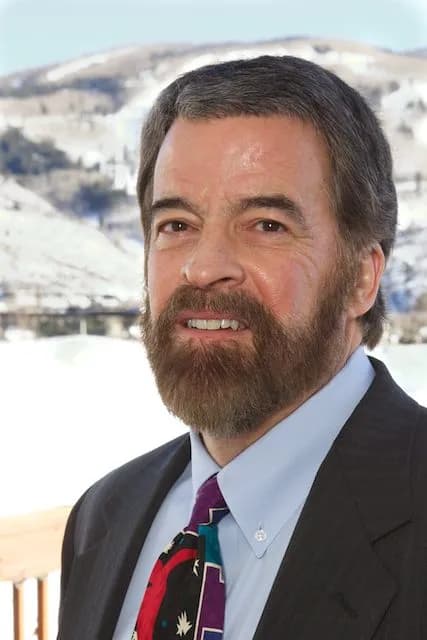
Aspen —Rick Fesler’s brain was atrophying. That is the single, hardest fact anchoring this story, a medical reality that stripped away the identity of an entrepreneur, a cyclist, and a devoted father in Minneapolis.
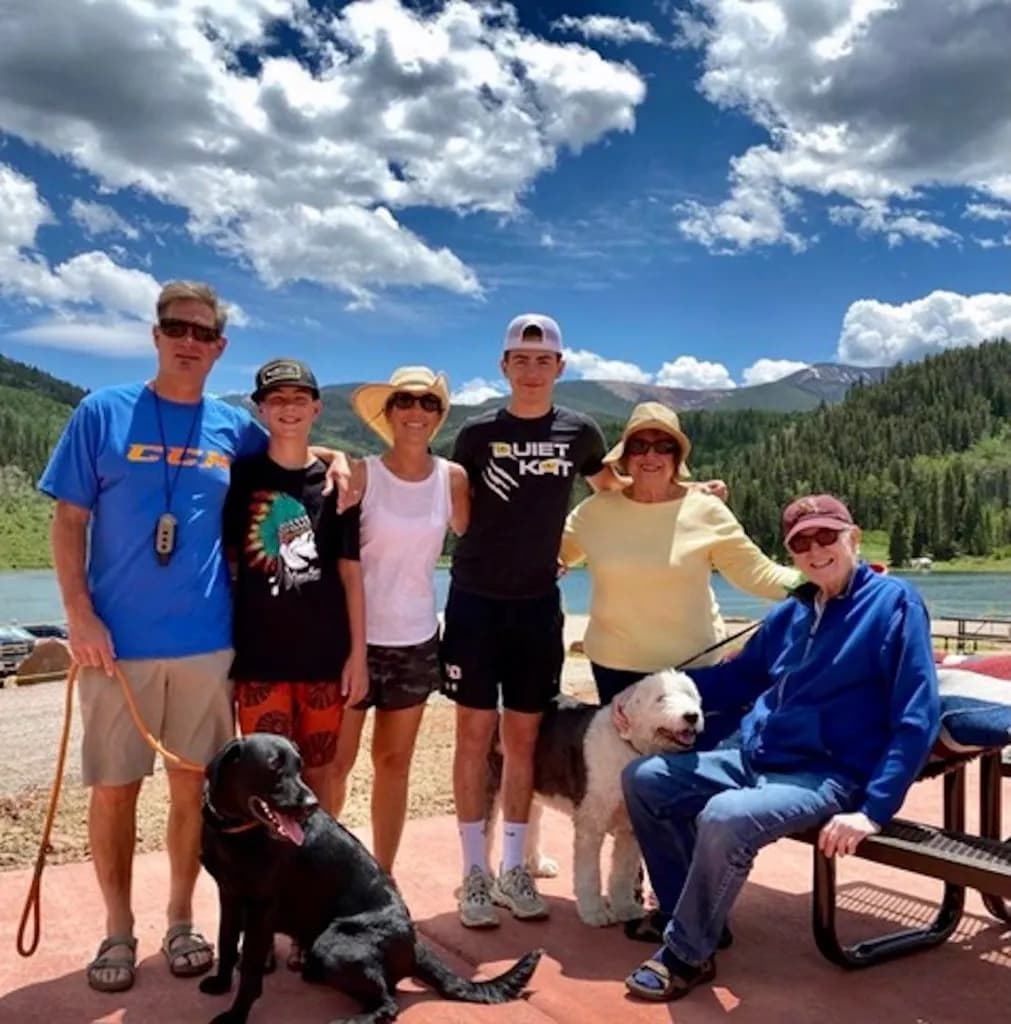
The Vail Daily published an opinion piece on Tuesday by Rick’s wife, Eddi Rudrud, and their daughter, Tyra Fesler. They are walking to End Alzheimer’s disease because the alternative is silence.
The piece details how the decline started with subtle shifts that became impossible to ignore. Rick, a man who had been called the “Biking Banker” by local papers in Minneapolis back when cycling was a niche hobby, stopped riding around 2000. He began falling. His balance failed him. Then came the executive function changes. Rick didn’t seem to realize what was happening. He continued to believe everything was okay, even as his ability to make good decisions eroded.
The medical system initially missed the mark. Doctors diagnosed him with bipolar disorder, a label that didn’t fit. Rick didn’t have the high highs or the low lows associated with that condition. It wasn’t until further testing revealed the physical atrophy of his brain that the picture began to clarify. The family was angry. They were angry that this was happening to someone who had always been so capable and intelligent, and they were angry that the medical system didn’t seem to understand what was unfolding.
For Tyra, the warning signs were personal and intimate. She had moved to Eagle County while her parents remained in Minneapolis, so the connection relied on small acts of attention. Rick used to send her newspaper clippings every week — articles about topics he knew she was interested in. It was a simple gesture, but it meant so much because it proved he was paying attention. He knew her. When those little pieces of mail began to arrive less frequently, Tyra knew something was changing.
Before the disease took hold, Rick had a specific way of making people feel important. He celebrated the people around him, encouraged their interests, and made ordinary moments feel special. Tyra recalls a specific birthday when Rick bought unicorn-themed gifts, found a little crown for her to wear, and made the whole week an occasion. As she got older, he supported her sorority life in college, feeling a special connection because he had been in a fraternity himself. He took her to Greek events and was always supportive of the things that mattered to her.
The authors emphasize that intelligence was only one part of who Rick was. He was a hard worker, a traveler, and an avid lover of the arts. But his defining trait was how he made others feel seen.
Now, Eddi and Tyra are walking in their community to raise awareness for a disease that doesn’t just steal memory; it steals the person. It takes the man who bought the crown and turns him into a stranger, then a patient, then a memory.
The walk is not just a physical act. It is a refusal to let the subtle changes — the missing clippings, the stopped bike rides, be dismissed as normal aging. It is a demand for better answers from a medical system that initially looked at the wrong diagnosis.
Rick Fesler’s story is one of many on the Western Slope and across the country. The disease does not care about your intelligence or your career. It cares only about time. And for those who love the people it takes, that is a terrifying and lonely place to stand.
Keep up with Aspen
The day's Western Slope news, one email each morning. Free.