White River National Forest Eases Campfire Rules Ahead of Holiday Weekend
White River National Forest and Pitkin County will ease fire restrictions to Stage 1 Friday, allowing contained campfires. The Dillon Ranger District remains under stricter Stage 2 rules.
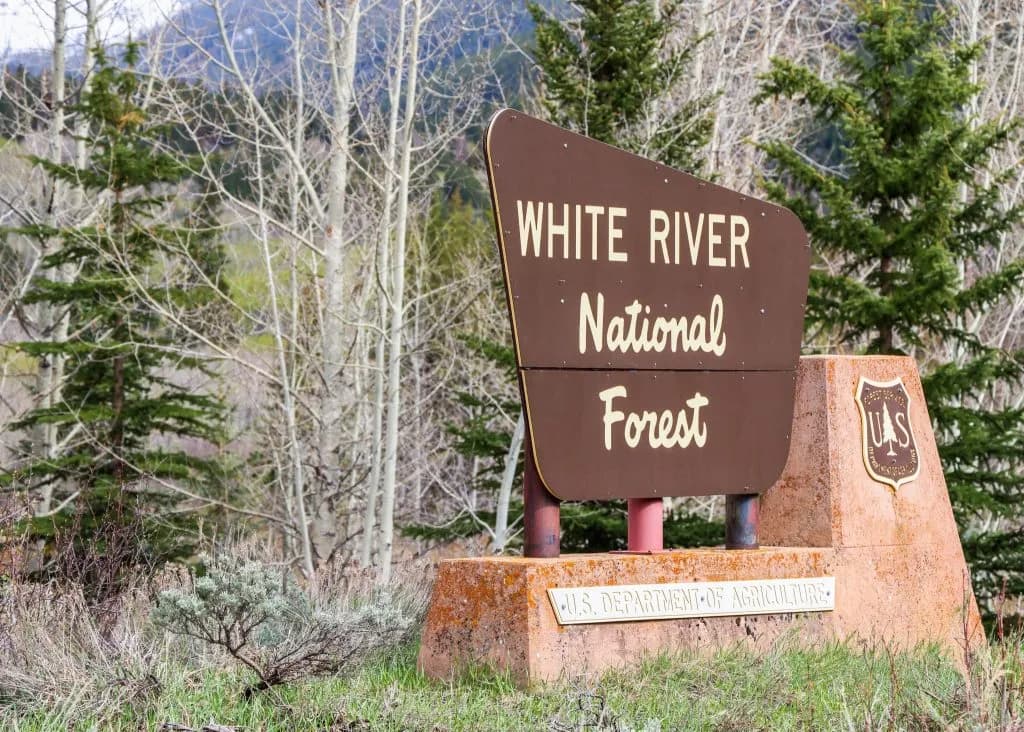
Aspen —"Recent moisture has reduced fire danger, but it is important to remain vigilant as we head into the holiday weekend with continued high visitation."
That’s White River National Forest Supervisor Brian Glaspell speaking, and he’s right to be cautious. It’s easy to let your guard down when the rain stops. But the smoke still hangs low over the valleys.
Starting Friday, Sept. 4, a majority of the lands managed by the White River National Forest will move to Stage 1 Fire Restrictions. This is a downgrade from the stricter rules that have been in place. For locals, this means a bit more breathing room. You can light a campfire again, provided you follow the specific guidelines.
The change isn’t universal, though. The Dillon Ranger District will remain under Stage 2 fire restrictions. If you’re planning a trip up there, check the rules before you strike a match. The distinction matters because the fire danger levels vary across the forest.
Pitkin County is following suit. Sheriff Michael Buglione announced that current fire restrictions will also downgrade to Stage 1, effective at 12:01 a.m. Friday. This alignment is good for travelers crossing county lines. You don’t want to be fined for breaking a rule that doesn’t apply in the jurisdiction you’re currently in.
Under Stage 1, campfires are permitted if they are in permanent fire rings in developed campgrounds or recreation areas. Wood-burning stoves used in wall tents are also allowed. The key is containment. Your fire needs to be in a device that the U.S. Forest Service has installed and maintained, or a fully enclosed metal stove with a chimney at least 5 feet in length.
Glaspell’s advice is simple but often ignored. In the sites where fires are permitted, please be sure your fire is out and cold before leaving it unattended. A smoldering coal can reignite hours later. A gust of wind can carry an ember to dry brush.
Stand there long enough and you’ll see the difference between a controlled burn and a wildfire. One stays in the ring. The other spreads.
The holiday weekend brings continued high visitation. More people means more chances for error. The forest is busy. The trails are full. The campgrounds are packed.
As you drive through the mountains on Friday, look for the signs. They’ll tell you what’s allowed and what’s not. Read them carefully. Don’t assume.
The rain has stopped. The sun is out. The air is dry. The leaves are brown. The grass is yellow. The wind is blowing. The smoke is rising. The fire is burning. The heat is intense. The light is bright. The shadow is long. The ground is hot. The air is thick. The silence is loud. The tension is palpable. The anticipation is real. The hope is strong. The fear is present. The reality is clear. The future is uncertain. The present is now. The moment is here. The time is now. The chance is now. The opportunity is now. The decision is now. The choice is now. The action is now. The move is now. The step is now. The jump is now. The leap is now. The flight is now. The soar is now. The rise is now. The climb is now. The ascent is now. The upward path is now. The journey begins.
Keep up with Aspen
The day's Western Slope news, one email each morning. Free.