Edwards Ski Prices and Denver Layoffs Reshape Western Slope Economy
Edwards navigates rising ski ticket costs and Denver corporate layoffs as a class-action lawsuit challenges artificially inflated prices, reshaping the Western Slope’s economic landscape.
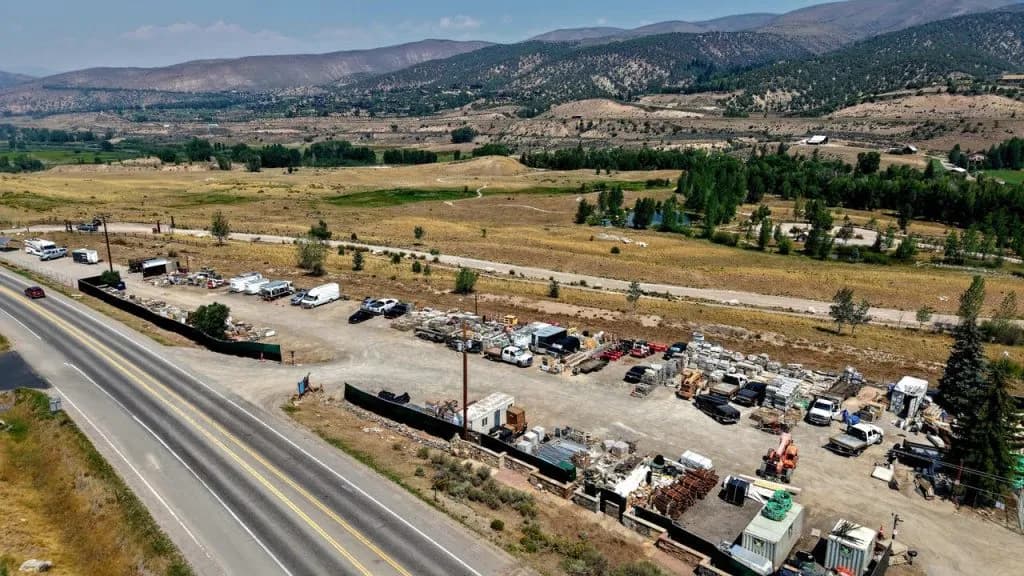
Aspen —The wind off the Continental Divide carries that familiar bite, sharp enough to make you pull your beanie down over your ears. On a Tuesday morning in Edwards, the construction cranes stand like skeletal fingers against the pale blue sky, watching over empty storefronts and new foundations. It is a town caught between its mountain-town roots and the relentless march of commercial real estate, where every new sign feels like a bet on the future.
That tension between past and present is playing out across the Western Slope, but nowhere is it more visible than in the pricing structures of our local ski resorts and the corporate decisions rippling through Denver. The numbers are climbing, and they’re hitting home wallets in ways that go far beyond the ski hill.
Vail and Beaver Creek are preparing for a peak-season shock to the system. For the 2026-27 season, a single-day lift ticket purchased at the window during Christmas or New Year’s will push close to $400. According to a recent post by Stuart Winchester of the Storm Skiing Journal and Podcast, Beaver Creek’s peak ticket will land at $392, while Vail sits just behind at $374.
Winchester argues in his Substack that this pricing structure is broken, even if most locals don’t pay the window price. He writes that an "antagonistic day-ticket pricing structure" is undercutting dynamic products, yet the narrative power of that high window price dominates social media. The result? Skiers focus on the sticker shock rather than the value of season passes.
The Epic Pass tells the real story. Vail Resorts’ offering, which grants unlimited days to both mountains plus 40 other ski areas worldwide, costs just over $1,000 at its lowest tier. Meanwhile, Denver-based Alterra Mountain Co.’s Ikon Pass is slightly more costly but covers fewer resorts. However, for those buying single-day tickets at Alterra’s Deer Valley resort in Utah, the window price can hit $349.
This pricing tug-of-war is happening alongside a legal storm. Earlier this month, skiers filed a class-action lawsuit targeting Vail Resorts, Alterra, and other industry players. The suit alleges these entities conspired to artificially inflate prices, increasing season pass costs by about 40% and day ticket prices by 55% since 2020, in violation of federal antitrust laws. The lawsuit suggests that what we perceive as market choices are actually coordinated price hikes.
While the mountains debate dollars, Denver’s corporate landscape is shifting under its own weight. Alterra Mountain Co., Vail’s chief rival, recently laid off an undisclosed number of employees. The timing is telling. These job cuts came shortly after state and city leaders expedited millions of dollars in incentives to keep Alterra’s headquarters in Denver.
An internal email obtained by the Denver Business Journal and reported by 9News sheds light on the move. KSL Capital Partners CEO Eric Resnick sent the email on August 11, noting that the layoffs follow the approval of public incentives. It’s a classic case of corporate restructuring meeting local politics: the company gets its tax breaks, but the staff count shrinks.
For folks in Edwards and beyond, these stories aren't isolated headlines. They are interconnected threads in the fabric of our local economy. High ski prices affect tourism revenue, which impacts hotel occupancy and restaurant sales. Corporate layoffs in Denver can alter the pool of potential homebuyers and renters, influencing commercial real estate demand.
The lawsuit against Vail and Alterra challenges the very model that has sustained these resorts for decades. If the courts agree that prices were artificially inflated, it could reshape how we pay to play in our backyard. And as Alterra adjusts its workforce in Denver, the ripple effects may eventually reach the trails and roads of the Western Slope.
Stand there long enough, and you can see it all in one view: the cranes building new commercial spaces in Edwards, the ski lifts turning against the sky, and the corporate emails flowing from Denver. The prices are rising, the passes are changing hands, and the incentives are being counted. It’s a lot to process before the first snowfall hits.
Keep up with Aspen
The day's Western Slope news, one email each morning. Free.

Northwest Colorado Ranchers Face 50 Percent Herd Losses Amid Federal Water Plan

Aspen Postal Worker Ignoring Mail Highlights Local Infrastructure Frustrations