Edwards Writer Says AI Bots Ruined Customer Service
Edwards-based writer Tom Newmann argues that AI chatbots and disconnected call centers have replaced helpful human interaction, forcing customers to search websites for answers they could not get by phone.
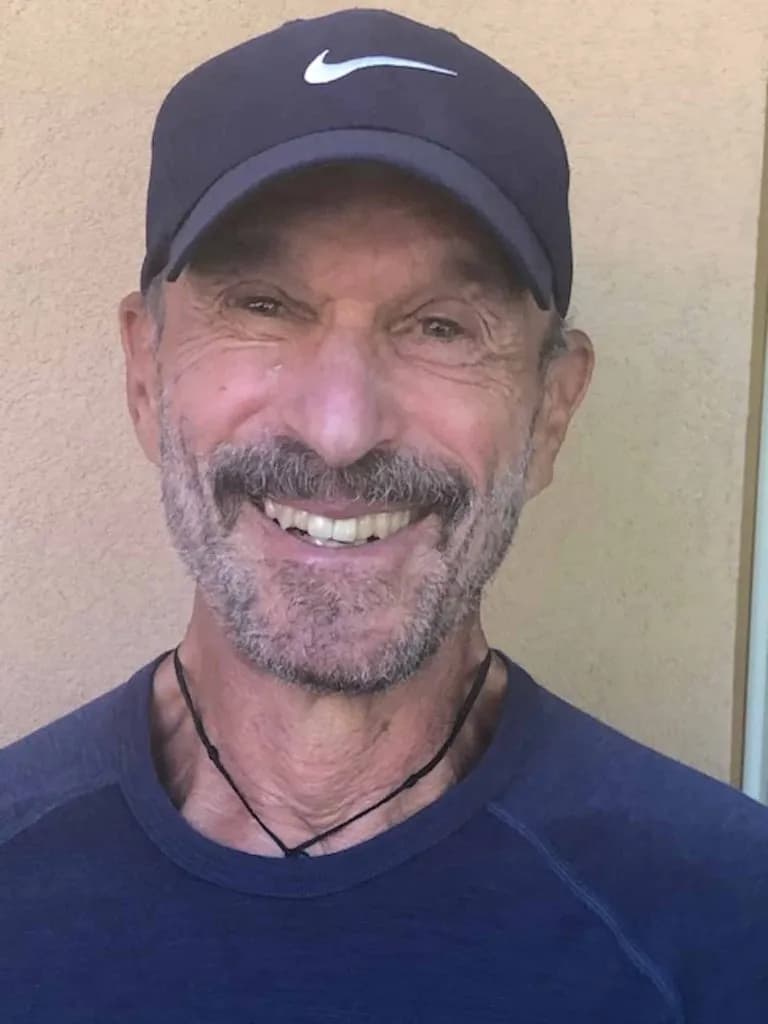
Aspen —“I need to talk with someone about a horse in my living room.”
That is the kind of absurd, specific plea that used to get you a human being on the phone. Now, it gets you an algorithm.
Tom Newmann makes that point in a new opinion piece for the Vail Daily, and he isn’t talking about some obscure tech startup in a garage. He’s describing the daily grind for anyone who has tried to fix a billing error, cancel a subscription, or ask why their internet cut out during a storm. Newmann, who splits his time between Edwards and Queenstown, New Zealand, has been navigating these systems since 1986. He knows the drill. He also knows that the drill is broken.
The narrative of customer service has flipped. It used to be a handshake, or at least a voice with a name tag. You called, a person answered, and they steered you to the right desk. Today, that human is behind a wall of digital bureaucracy. You talk to an AI bot that asks for your birth date, your social security number, and whether you have a twin sister. It doesn’t care about the horse in your living room. It cares about data points.
Newmann writes that if you try to interrupt the bot, it might say, “We do not deal with coarse living brooms,” and hang up. Or it might loop back to a list of options you’ve already rejected. It’s a game of telephone where the phone is made of glass and the other end is empty.
And that matters because it’s not just annoying; it’s exhausting. You spend an hour on hold, listening to the same three songs on repeat, repeating your name and address until they lose their meaning. Then you finally reach a human. A real one. But they are likely sitting in a call center on the other side of the world, and you can barely understand their accent. So they ask you every question the bot just asked. Again. To verify that you are actually you.
You wait again. You listen to the music again. And when they finally speak, the answer is usually a shrug wrapped in corporate language: “I’ll have to check with my supervisor.”
So you wait some more. And then, in a moment of clarity that comes after too much holding music and not enough coffee, you hang up. You open a browser tab. You go to the company’s website. And there, in the “Help” section or a FAQ page that took two minutes to load, is the exact answer you spent an hour trying to get from a human being.
Newmann ends with a simple, weary image: you go take a nap.
It’s a small victory, but it highlights a massive shift in how we interact with the businesses that run our lives. We are no longer customers; we are tickets in a queue, processed by software that doesn’t understand context and humans who don’t have the authority to solve it. The technology was supposed to make things easier, faster, more efficient. Instead, it built a maze where the exit is just a hyperlink on a website you could have found in the first place.
The horse is still in the living room. The bot doesn’t care. You do.
Keep up with Aspen
The day's Western Slope news, one email each morning. Free.
Feinsinger Argues Meat Consumption Shortens American Lifespans

Park County Residents Challenge Aurora Water's 95,000-Acre-Foot Reservoir Plan