Park County Residents Challenge Aurora Water's 95,000-Acre-Foot Reservoir Plan
Local residents argue Aurora Water's new reservoir proposal ignores the Eagle River's existing drought stress, urging regulators to prioritize conservation over further diversions.
Aspen —The snowpack in the Upper Eagle River watershed is thin. It’s a dry, brittle white that crunches underfoot in the morning cold, a visual reminder of what’s missing from the pipes. Downstream, the water in Homestake Creek runs lower than it did a decade ago. This is the reality of living on the Western Slope: we manage scarcity with care, and now a new request is knocking.
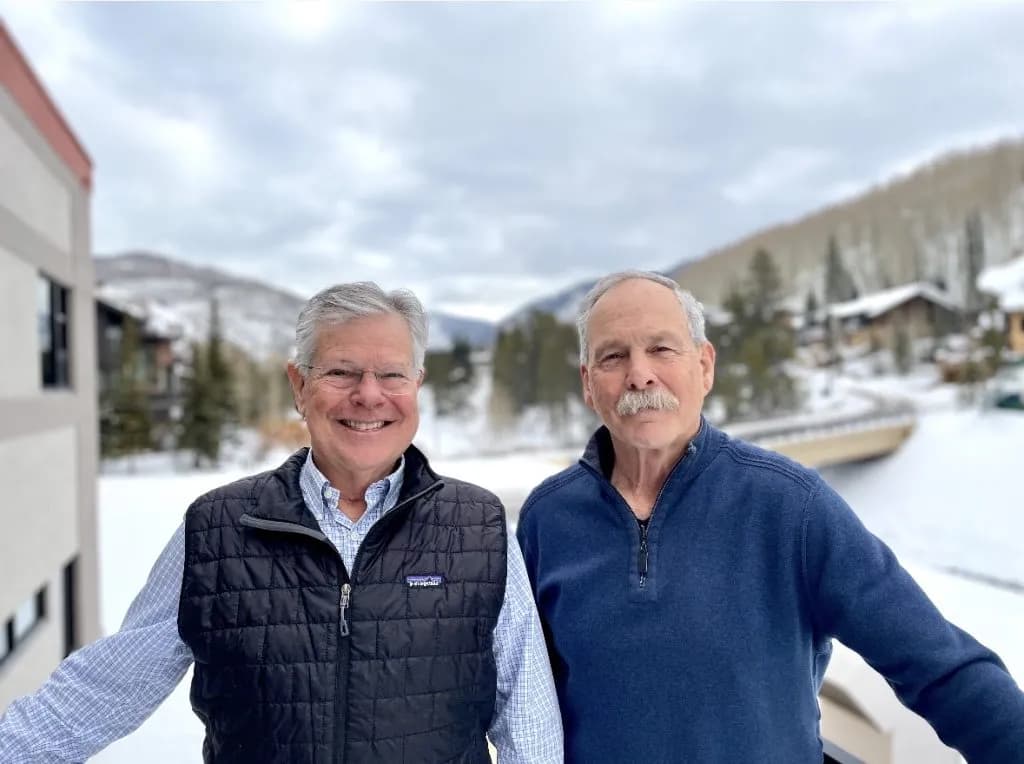
Aurora Water has filed an application with the Colorado Department of Public Health and Environment (CDPHE) to build a 95,000-acre-foot reservoir in Park County. The plan involves diverting additional water from the Colorado and Arkansas basins, specifically pulling from the Eagle, Frying Pan, and Roaring Fork rivers. In an opinion piece for the Vail Daily, local residents Cleveland and Gregory argue that this project asks more of the Eagle River than it can give.
The math is already tight here. Between 50% and 70% of Homestake Creek’s flow is already diverted to the Front Range, depending on snowpack. That existing diversion represents 25% to 40% of the total native flow in the Upper Eagle River at Minturn. Once that water crosses the Continental Divide, it’s gone from this basin forever. They note that we are currently in the worst drought on record, still operating under a Stage III Water Shortage. Taking more water out during a shortage adds burden to the people who live here, they write.
The timing is the part everyone skips past. We are being asked to conserve while a new reservoir application moves forward. The authors point out that increased withdrawals would seasonally reduce the size, frequency, and duration of peak flows in the Eagle River headwaters. Those high flows do essential work: they sustain the streamside ecosystem, replenish wetlands, and recharge aquifers. Without them, fisheries, wildlife, and the businesses that depend on a healthy river will feel the effects.
Aurora’s modeling suggests little change in Homestake Creek flows during average and dry years, with the greatest impact hitting in wet years. Cleveland and Gregory say that deserves a direct answer. Wet years are when the river recovers; they are when the system resets. If you only take water when there’s plenty, it feels manageable on paper, but it ignores the cumulative stress of a changing climate.
The authors aren’t opposed to planning for the future. They face their own water challenges. But they argue Aurora’s application is incomplete. Significant technical and environmental questions remain unresolved, and the public lacks the information needed to understand the cumulative impact on the Western Slope. They urge CDPHE to require a transparent accounting of all water movements, evaluate the proposal against climate pressures, and consider alternatives like conservation and reuse before approving another reservoir.
Stand there long enough and you can see the difference in the water level against the riverbank stones. It’s a quiet change, but it’s real. As the application moves through review, the question isn’t just about Aurora’s future supply; it’s about what remains for the people who call this valley home. The river is already doing its best with less, and now it’s being asked to do more.
Keep up with Aspen
The day's Western Slope news, one email each morning. Free.