Nvidia CEO Resignation Drags Wall Street Into Three-Day Losing Streak
Nvidia shares fell 4.1% following CEO Jensen Huang’s resignation, dragging the Nasdaq and S&P 500 lower as investors worry about AI sector stability.
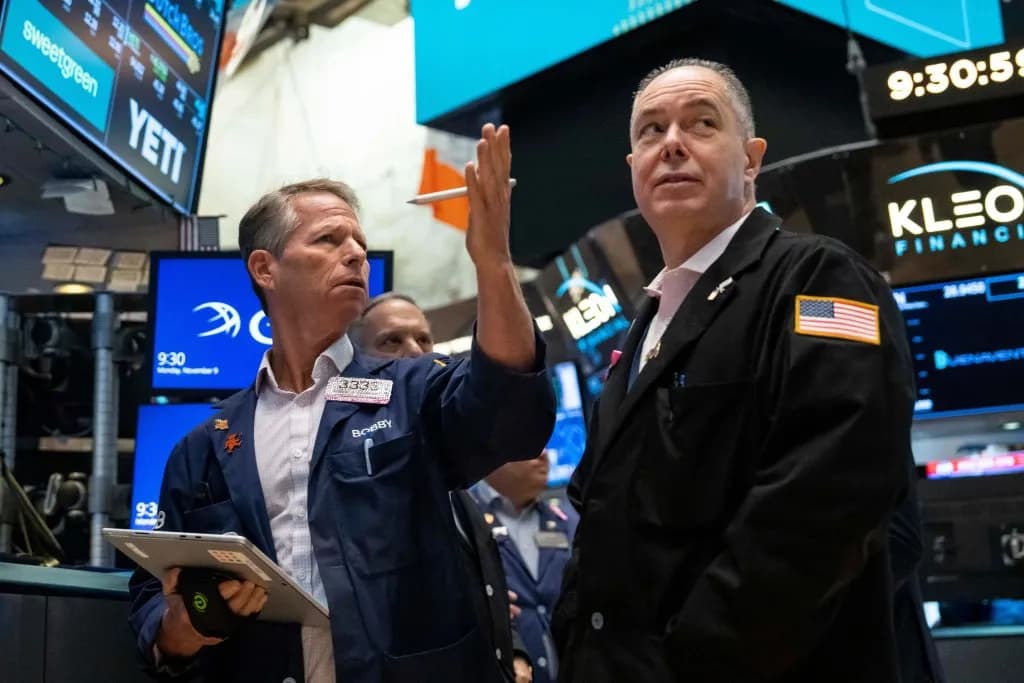
Aspen —The leather jacket is gone, and so is the man who wore it. That absence hangs over New York’s trading floor like a cold draft, chilling the optimism that had kept artificial intelligence stocks soaring despite whispers of a bubble. It wasn’t just a change in leadership; it was a seismic shift in confidence, dragging the entire U.S. market lower with it.
Vail Daily reported that Nvidia led another sell-off in technology stocks, sinking 4.1% and becoming the heaviest weight on Wall Street. This followed the resignation of CEO Jensen Huang last week, a move that left both the chip giant and the broader industry facing a more uncertain future. The weakness for tech stocks pulled the Nasdaq composite down 2.5%, while the S&P 500 fell 1.9% for its third straight loss. Even the Dow Jones Industrial Average dropped 739 points, a rare instance where the blue-chip index couldn’t escape the gravity of the tech sector’s decline.
If you look closely, the ripple effects extend far beyond a single ticker symbol. Rival chip companies that had initially climbed on hopes of gaining a competitive advantage now found themselves dragged under. Broadcom dropped 3.6%, and Advanced Micro Devices fell 4.7%. CoreWeave, which buys Nvidia chips and rents out access to them over the cloud, sank 6.2%, illustrating how deeply intertwined the ecosystem has become. There’s a warmth to the historical context here — Nvidia’s chips power much of the world’s move into AI, and its cash has helped companies across the industry grow — but that warmth is currently being replaced by the chill of uncertainty.
Zhiwei Zhang, president and chief economist at Pinpoint Asset Management, noted that the market was already worried about the risk before what happened at Nvidia, stating, “Now the risk has become even more serious.” The sector is also facing more scrutiny from the U.S., with the Trump administration issuing new rules on Monday to restrict remote access to advanced U.S. computing chips and servers. Meanwhile, Treasury yields eased following their jumps last week on worries about inflation, while oil prices fell, offering a slight counterbalance to the equity market’s turmoil.
As the closing bell rings, the silence in the trading pits is louder than the shouting matches of the morning. The numbers on the screens are red, a stark contrast to the green of the previous weeks. But it’s the empty chair at the head of the table, the one that used to be occupied by the leather-jacketed celebrity of the AI world, that truly captures the mood. It’s a reminder that in the high-stakes game of Wall Street, even the most powerful players can find themselves adrift, waiting to see if the tide will turn or continue to pull them under. The scent of stale coffee and anxiety lingers in the air, a fitting backdrop to a day where the future felt less like a promise and more like a question.
Keep up with Aspen
The day's Western Slope news, one email each morning. Free.