Eileen Garvin Brings Bumblebee Climate Warning to The Bookworm
Author Eileen Garvin discusses how drought and habitat loss threaten native bumblebees and local agriculture at The Bookworm event for her new novel, Bumblebee Season.
Aspen —Why should a local neighbor care about a bee book in Oregon?
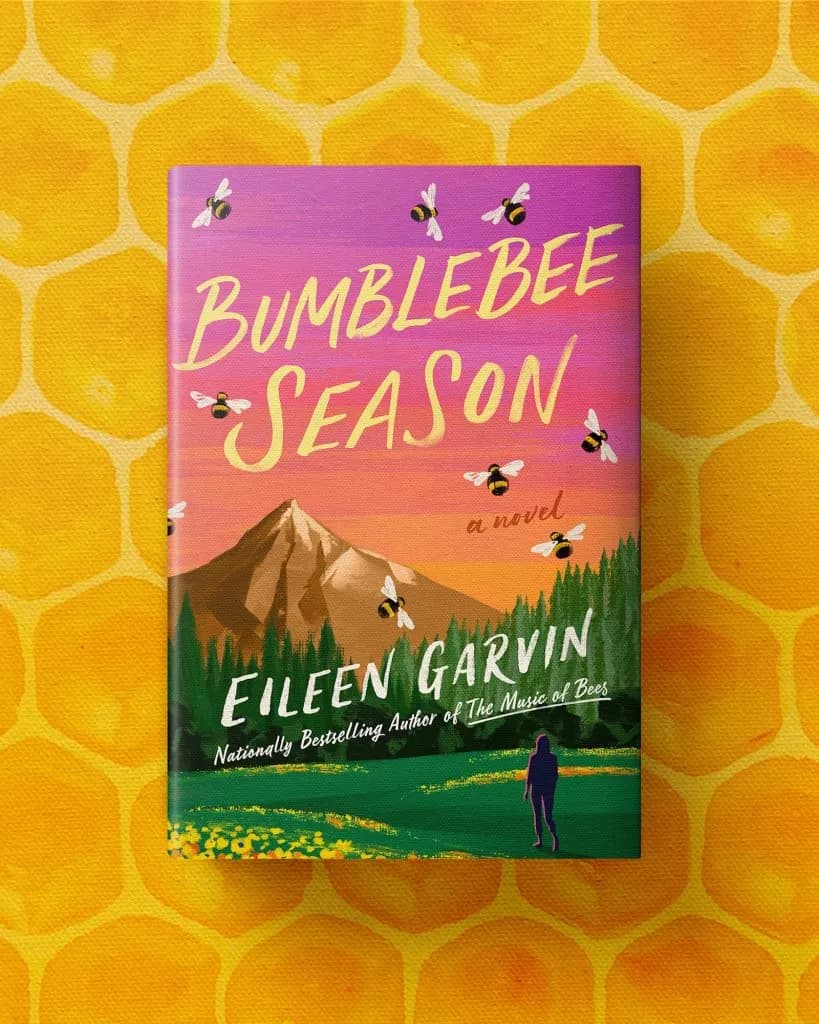
Because the environmental warning in Eileen Garvin’s new novel isn’t just about insects. It’s about the air we breathe and the food on our plates. Garvin, author of The Music of Bees, brings her latest work, Bumblebee Season, to The Bookworm on Tuesday. The event marks a return to the world she created in her first novel. But this time, the stakes are higher.
Drought. Wildfire risk. Warming temperatures.
These aren’t abstract concepts in Garvin’s narrative. They are the driving forces behind the decline of bumblebee populations across the United States. And they are the same forces pressing down on Western Slope agriculture right now.
Garvin doesn’t just write about honeybees. She distinguishes them sharply from their native cousins. Honeybees aren’t endangered. They aren’t even native to North America. They are the ones we keep for honey. The real story is in the native species. The Rusty Patched Bumble Bee. The Hawaiian Yellow-Faced Bee. Franklin’s Bumble Bee. These are the ones listed as endangered. By some estimates, 25 percent of all North American bumblebees face extinction.
The threats are familiar to anyone watching the news. Drought. Pesticide use. Pathogens. Habitat loss.
“Pollinators are an indicator species that signal how healthy the environment is in general,” Garvin said.
That health metric matters here. Bees pollinate about 80 percent of all flowering plants. They are responsible for 75 percent of fruits, nuts, and vegetables grown in the U.S. Some sources break it down even tighter: Bees provide one out of every three bites of food we eat.
Garvin sees this in her latest book through the character Abigail, who explores the overlapping efforts between bumblebee and honeybee conservation. The novel also returns to the protagonist, Jake, from her previous work. But the setting has shifted slightly. Garvin was inspired at a beekeeping conference. She met a paraplegic beekeeper who designed a horizontal hive. It was more accessible than traditional hives.
Garvin bought one. She wanted to bring that hive into Jake’s life. She wanted to see how it might open up the world of beekeeping for him.
The book also tackles human-centric issues. Flaco, another character, grew out of the news and world events of 2019. Garvin notes that we often find connection and friendship among people who seem different on the surface. Ultimately, we all want the same things: home and belonging.
The event at The Bookworm includes a Q-and-A and a book signing. Light refreshments will be provided. It’s a celebration of a new release from a beloved bestselling author. But the underlying message is urgent.
There are more than 20,000 species of bees in the world. More than 4,000 native species in North America. They are unique beings. They deserve their place in our world. And they are struggling.
Garvin’s novel suggests that saving the bumblebee isn’t just an environmentalist’s hobby. It’s a matter of survival for the crops that feed us. It’s about recognizing that when the native pollinators go, the system cracks.
The Bookworm event is Tuesday. The question is whether locals will listen to the warning before the drought gets worse.
Keep up with Aspen
The day's Western Slope news, one email each morning. Free.
NWRM CASA Honors Judge O’Hara and Founders at 15th Anniversary

Craig Hosts Only Regional Special Olympics Bowling Competition