El Niño Arrives in Colorado, Bringing Heavy Rain to Western Slope
El Niño officially arrives in Colorado, replacing La Niña conditions. OpenSnow meteorologists warn of intensifying patterns that could bring significant rainfall to the Western Slope, affecting agriculture and local weather in towns like Paonia and Grand Junction.
Aspen —The air in the valley feels heavier this week, doesn’t it? It’s that specific, humid weight that settles over the fruit orchards near Paonia just before a storm breaks, a thick blanket of moisture that clings to your skin and makes the heat feel less like weather and more like a physical presence. You can feel it in the way the cottonwoods hold their leaves tighter, waiting for the release. This isn’t just a forecast on a weather app; it’s a shift in the very breath of the Western Slope, and it’s happening faster than most of us remember.
El Niño has officially arrived in Colorado, and the implications for our local water supply, our agriculture, and our summer commute are already taking shape. The U.S. National Oceanic and Atmospheric Administration confirmed the transition on June 11, marking the end of the La Niña conditions that held sway from January through March. We’ve gone from below-average sea temperatures to a rapid warming of the central and eastern equatorial Pacific Ocean, a change so swift that OpenSnow Meteorologist Alan Smith noted it as a distinct break in the pattern.
Now, forecasters are looking at the horizon with a mix of anticipation and caution. The current El Niño isn’t just a mild visitor; it has a 63% chance of intensifying into a “strong” or even “super” El Niño by the end of the year. That’s not a guarantee, but it’s a significant probability that locals should keep in mind when planning for the next few months. A “super” event, defined by sea surface temperature anomalies greater than 2 degrees Celsius, would rank among the strongest in the historical record going back to 1950. We’ve only seen three of these since then, the most recent being the massive 2015-2016 event that reshaped global weather patterns.
What does that mean for us here on the Western Slope? While El Niño’s influence on snowpack in the interior ski regions can be tricky to pin down, its effect on precipitation is clearer. The atmospheric setup increases the likelihood of higher rainfall, and the Climate Prediction Center’s seasonal outlook shows above-average chances for rain across the western half of the state from July through September. For a region that has spent years watching its reservoirs, this wetter-than-normal summer could be a relief, or it could be a challenge if the rains come too fast and too hard.
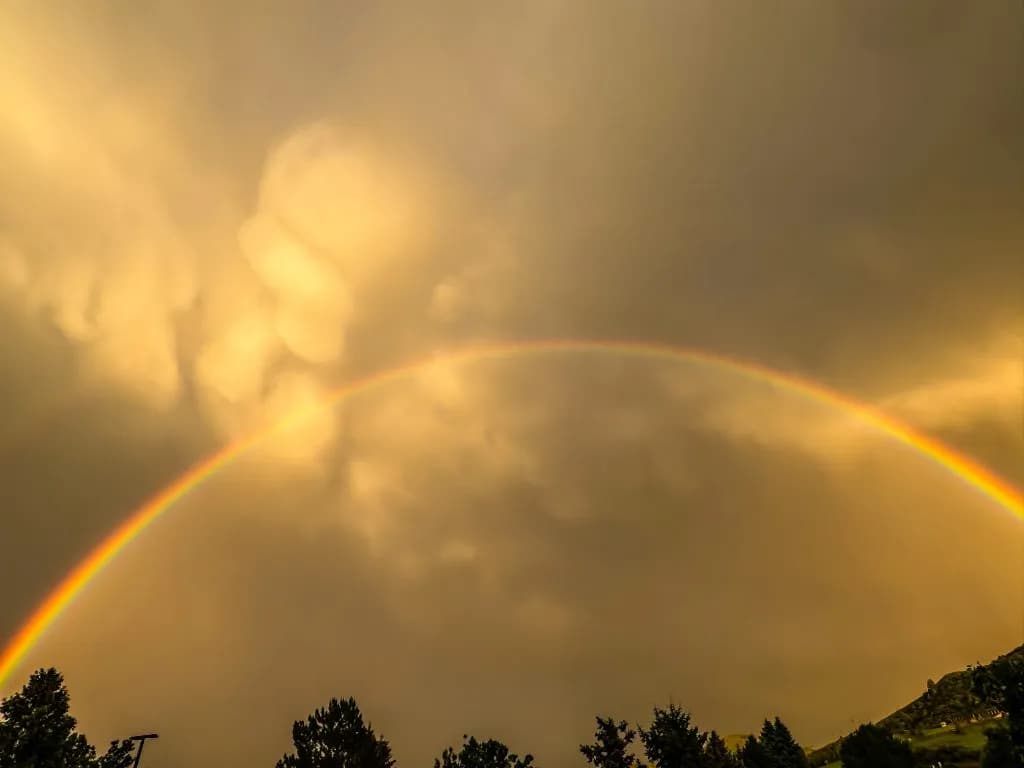
You might notice the change in the way the light hits the mountains in the late afternoon, that golden hour stretching a bit longer, the air shimmering with a different kind of energy. It’s a reminder that we are no longer in the grip of the dry years that have become all too common. The moisture is coming, and it’s coming with a strength that could alter the landscape we know.
As the sun sets over the Grand Junction Mall, casting long shadows across the paved paths, you can almost hear the distant rumble of thunder building in the distance. It’s a sound that speaks of change, of a climate that is shifting beneath our feet, and of a summer that promises to be different from the ones that came before.
Keep up with Aspen
The day's Western Slope news, one email each morning. Free.