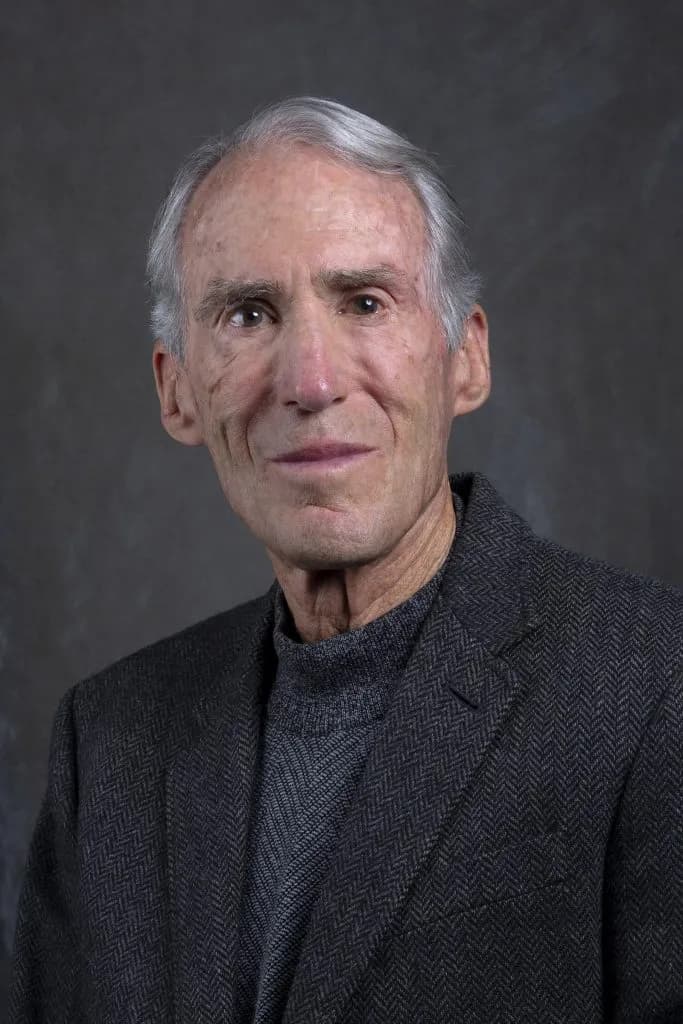
Eric Mulder Pitches Local Control Over State Power in Midterm Race
Libertarian candidate Eric Mulder advocates for local zoning authority, beaver-led water conservation, and targeted wolf reintroduction in state parks to balance ecology and agriculture.

Steamboat Springs —The wind off the Continental Divide cuts through the valley floor, carrying the scent of pine needles and dry earth. It’s the kind of weather that reminds you exactly where you are: high, thin, and increasingly expensive.
That expense is the central theme of the upcoming November 3 midterm election, particularly for Libertarian candidate Eric Mulder. The Summit Daily posed five pointed questions to the candidates about the Western Slope’s most pressing issues, and Mulder’s answers offer a clear window into his governing philosophy. One that leans heavily on local control and natural processes rather than state intervention.
Let’s do the math on his platform, starting with the housing crisis. For context, the High Country is seeing working locals priced out by a market that has largely ignored their needs in favor of Front Range-centric legislation. Mulder’s solution is characteristically decentralized. He wouldn’t rely on the governor’s office to fix zoning. Instead, he’d encourage municipalities and counties — entities with actual authority over land use — to embrace "housing diversity."
This includes allowing:
- Mobile home communities
- Tiny homes
- Accessory dwelling units (ADUs)
- Multifamily units
His argument is straightforward: if you lower the barriers to entry for these types of structures, you create permanent shelter options for people across various income levels. It’s a supply-side approach that bypasses the bureaucratic gridlock often found in state capitals.
On the issue of short-term rentals and vacant homes, Mulder draws a hard line. His answer is a definitive "no." He argues that limiting ownership of these properties via state law runs headlong into federal regulatory restrictions. In his view, such laws would likely be overturned by the Supreme Court. He believes that the "housing diversity" measures mentioned earlier would naturally reduce costs and increase options without the legal headache of trying to regulate who owns what.
Water security is another major flashpoint, especially with the fight over the future of the Colorado River likely to spill into the next governor’s administration. Mulder suggests that Colorado has consistently upheld its end of the bargain regarding river usage. To move forward, he points to nature. By continuing the reintroduction of beavers and river otters, the state can naturally increase water tables and expand wetlands. This conserves more water without harming livestock populations, a win-win that avoids the need for heavy-handed state mandates.
Finally, there is the contentious issue of wolf reintroduction. Lawmakers have raised concerns about program cost, transparency, and the impact on the Western Slope. Mulder supports a reevaluation of the current program. He notes that wolves thrive in vast areas with minimal human or livestock contact. In these environments, they naturally cull elk and moose herds, which improves the health of the wild population. However, livestock herds are managed differently; ranchers already handle herd health, and the presence of wolves can induce stress in animals not accustomed to them.
Mulder proposes a more targeted approach: a reintroduction that focuses on vast state parks. These areas would serve as zones for wild herd management and fauna management. This would be more efficient than a blanket reintroduction, ensuring that wolves are placed where they can fulfill their ecological role without causing undue friction with the agricultural sector.
The practical bottom line for locals is that Mulder’s candidacy represents a shift away from top-down state solutions. Whether you agree with his libertarian leanings or not, his plan puts the power for housing decisions back in the hands of city councils and county commissioners. For water, it bets on beavers over bureaucracy. And for wolves, it suggests a fence - literally and figuratively; between the wild and the working farm. It’s a platform that asks neighbors to trust their local institutions and the natural world to solve problems that the state government has struggled to address.
Keep up with Steamboat Springs
The day's Western Slope news, one email each morning. Free.

Teachers Restore Butcherknife Creek to Create Outdoor Classroom

Steamboat Running Series Champions Crowned Before Halloween Fun Run Finale