Europe and Napa Harvest Wine Early as Global Heat Rewrites Calendar
Record-breaking heat forces vintners in Europe and Napa Valley to harvest grapes weeks ahead of schedule, rewriting the traditional autumn wine calendar.
Aspen —Have you noticed that the air in the Roaring Fork Valley feels different this August, drier and sharper than the heavy, humid blanket we usually expect? It’s early August, and the heat is on, but it’s not just the temperature that’s unusual — it’s the lack of humidity, a dryness that has longtime locals scratching their heads. If you’ve lived here since 1993, as Aspen Times writer Feinsinger has, this stretch of hot, dry weather is the longest you can remember, a sentiment echoed by gardeners who have tended their plots since the 1970s. One neighbor told Feinsinger, standing in the Community Garden tending to her veggies and flowers, “It’s the hottest summer I can remember.”
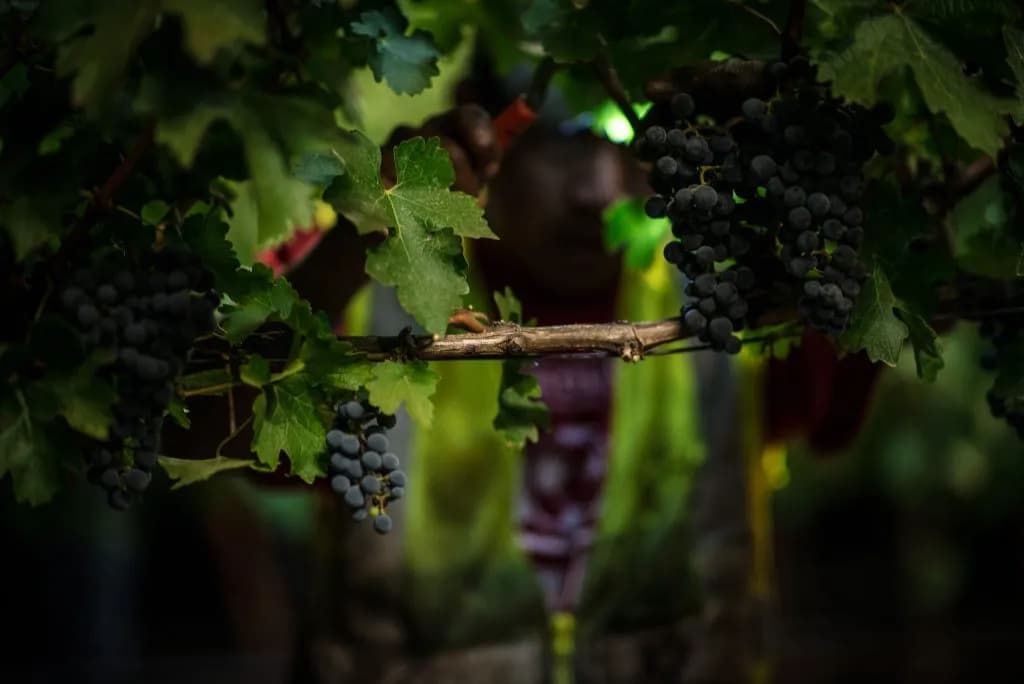
But you don’t have to look far to see that this isn’t just a local quirk of the Rockies. The same dry, baking conditions are frying wine regions across Europe, from France to Italy to Spain, where record-setting hot days and prolonged heat spells have turned the traditional autumn harvest into a mid-summer scramble. In Italy, the vendemmia — the Italian word for grape harvest, began in the final week of July in Franciacorta, a northern region that has never seen the harvest start in July before, a shift of two to three weeks ahead of historical averages. White grape varietals like pinot grigio were already being harvested in Sicily, while Tuscany and Piedmont prepare to follow suit, marking a new normal where fall events increasingly take place in the final days of summer.
The rhythm of the vine is changing, and it’s happening in our own backyard, too. In Napa Valley and Sonoma County, the harvest is also moving up the calendar, though for different reasons. While Europe battles extreme heat and fires, California’s wine country has seen a warm winter followed by a rainy spring, a combination that accelerated early budbreak in March and led to earlier ripening. Yountville’s Domaine Chandon, for instance, picked its first chardonnay grapes for sparkling wine on July 24, marking the earliest harvest since the winery began producing wine in 1973. It’s a curious parallel that sparkling producers in both Napa and Northern Italy are commencing their harvests within days of each other, driven by different weather patterns but arriving at the same urgent conclusion.
Feinsinger notes that it is not just the summer heat that dictates these early picks, but a complex interplay of weather events and cycles. In Germany, riesling grapes are showing signs of early development, suggesting an accelerated harvest there as well. The story here is one of adaptation, of vintners adjusting and improvising to conduct their harvests earlier than they had imagined, and for some regions, earlier than ever before. As the world’s wine belts warm, the calendar is being rewritten, one early grape at a time.
The scent of crushed grapes and fermenting yeast is already drifting through the air in some of these distant valleys, a sweet, heavy perfume that signals the end of summer and the beginning of the wine year. It’s a reminder that the land is speaking, and we are listening, even if we have to adjust our schedules to hear it.
Keep up with Aspen
The day's Western Slope news, one email each morning. Free.