Fallen Aspen Tree Triggers 850-Structure Aspen Acres Wildfire
A fallen aspen tree hit low-hanging power lines, sparking the Aspen Acres fire that destroyed 850 structures across four Colorado counties without killing anyone.
Aspen —At 5:30 a.m. on June 29, the lights in a home south of the Aspen Acres Campground flickered. The resident stepped outside and smelled smoke. He didn’t know it yet, but that faint scent was the first breath of a fire that would eventually swallow 850 structures.
Did a single tree really bring down nearly 1,000 buildings? Yes. And it wasn’t a lightning strike or a campfire gone wrong. It was gravity, wind, and an aspen tree that simply gave up on staying upright.
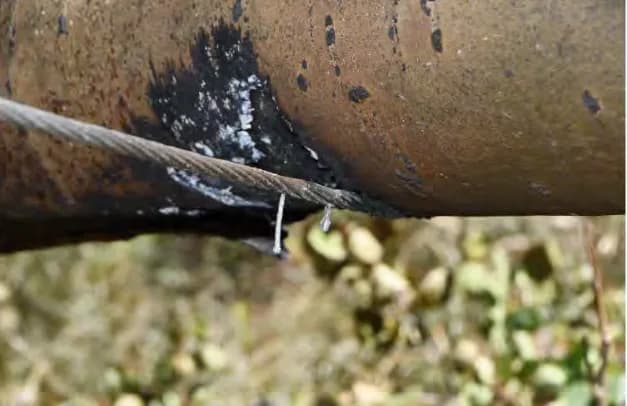
According to a 46-page report released Tuesday by the Colorado Division of Fire Prevention and Control, strong winds uprooted an aspen tree near mile marker 17 on Colorado 165 in Custer County. The tree fell onto energized power lines hanging just three feet above the ground. Investigators found charring, burn marks, and melted conductors on the trunk where it made contact with the hot and neutral wires. The arc was immediate.
The wind didn’t just drop the tree; it pushed the flames. Gusts drove the fire west up a hill, then south, before crossing Colorado 165 to the east and northwest. The terrain was a tinderbox of grass, brush, and trees, primed by a winter of record-low snowfall and a summer with almost no rain.
The Aspen Acres fire became the seventh-largest wildfire in Colorado’s history. It scorched more than 102,000 acres across Pueblo, Custer, Fremont, and Huerfano counties. The scale of the destruction is staggering: 850 structures destroyed, mostly in Pueblo and Custer counties. Yet, as the state investigators noted, no one was killed or injured.
That statistic might feel like a miracle to those who lost their homes, but the report doesn’t frame it as luck. It frames it as a result of rapid response and the specific geography of the fire’s spread. The wind was a "contributing factor in the rapid spread," the investigators wrote, but it also kept the fire moving away from populated pockets before it could fully establish itself in them.
A separate area near Silvercliffe Drive in Rye was investigated as a possible origin, but the evidence pointed back to that single point on Colorado 165. The conductors arced, the tree charred, and the fire took off.
As of Tuesday, the fire is 82% contained. It burns in remote areas now, a smoldering reminder of how quickly conditions can shift. Monsoonal rains in August helped firefighters in some spots, but they also triggered catastrophic floods elsewhere, a reminder that the Western Slope and the Front Range don’t always play by the same rules.
The part everyone skips past is how close that tree hung to the ground. Three feet. In a landscape of dry grass and brush, three feet is nothing. It’s the distance between a quiet morning and a life upended.
Stand there long enough and you see the power lines still sagging, the aspen stump still blackened. The wind is gone now, but the scars on the landscape remain.
Keep up with Aspen
The day's Western Slope news, one email each morning. Free.